
The stability of the Texas energy landscape is currently facing its most significant test as the state enters a period where historical patterns of consumption no longer apply to modern operational realities. For decades, the Electric Reliability Council of Texas managed a predictable cycle of peak demand followed by substantial nighttime recovery periods that allowed the entire system to recalibrate and cool down. However, the current landscape has shifted toward a state of constant, unrelenting pressure that threatens to push the electrical infrastructure past its breaking point during this critical year. This “perfect storm” is characterized by a rapid convergence of massive industrial expansion and changing atmospheric conditions that have effectively eliminated the traditional window of relief once provided by the setting sun. As temperatures remain elevated well into the midnight hours, the grid is forced to operate at maximum capacity without the necessary downtime that mechanical systems require for long-term health and stability.
Industrial Expansion: The Erosion of Traditional Recovery Windows
A primary driver behind this escalating demand profile is the massive influx of “large load” industrial facilities, including sprawling data centers and energy-intensive cryptocurrency mining operations that have moved to Texas. Unlike typical residential or commercial sectors that exhibit clear peaks and troughs throughout a twenty-four-hour period, these industrial users maintain a heavy and unwavering baseline of electricity consumption. This creates a permanent floor for energy usage, effectively stripping away the grid’s ability to rest or perform essential off-peak maintenance that was previously routine. Total demand is currently projected to increase by a staggering fourteen percent by the end of this year, a rate of growth that outpaces the speed at which new generation can be commissioned. The arrival of these facilities has transformed the grid from a system designed for intermittent surges into one that must support a relentless, high-intensity flow of electrons to prevent economic disruption across the state’s burgeoning tech sector.
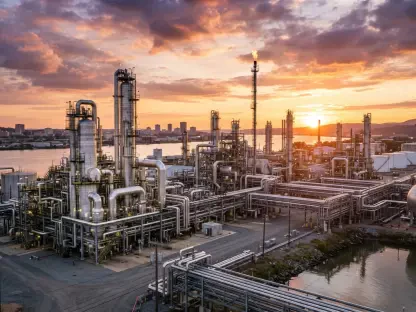
This industrial pressure is further complicated by a significant shift in residential cooling habits, which is being driven by the fact that nighttime temperatures in major metropolitan areas are staying higher for longer durations. Historically, Texas grid operators could rely on a sharp temperature drop around midnight to allow residential air conditioning units to cycle off, providing a critical reduction in the state’s overall load. Today, the thermal mass of expanding urban centers creates a “heat island” effect where cooling demand remains intense throughout the night, effectively flattening the demand curve. Instead of a distinct peak that falls away as the sun goes down, the grid now faces a prolonged plateau of high usage that stretches from the afternoon well into the early morning hours. This lack of a recovery window puts immense mechanical strain on the aging thermal generation fleet, which is now being asked to run at near-maximum output for weeks on end during the peak summer months without any meaningful respite or chance for cooling.
Shifting Peak Dynamics: Managing Seasonal Stress Accumulation
The most precarious moment for grid reliability has migrated from the traditional mid-afternoon heat peak to the late evening hours, specifically around nine p.m., creating what experts call a net load crisis. This specific timeframe represents a dangerous intersection where solar energy production rapidly ramps down as the sun sets, while industrial demand remains static and residential cooling needs persist at elevated levels. Current forecasts from the regional transmission organization suggest that planning reserve margins, which represent the crucial buffer of extra power used to prevent emergency blackouts, could enter negative territory during these specific evening hours. The loss of solar generation before the ambient temperature has sufficiently cooled creates a supply-demand gap that must be filled instantly by dispatchable resources, many of which are already running at their physical limits. This delicate balancing act requires near-perfect coordination of remaining assets to ensure that the lights stay on during the transition from renewable dominance to thermal reliance each night.
Furthermore, the temporal boundaries of high energy demand are expanding across the calendar, with record-breaking consumption now occurring with startling frequency in both the peak of summer and the depths of winter. Texas is increasingly experiencing summer-level demand as early as May, which significantly restricts the available timeframe for power plants to undergo essential repairs and equipment upgrades before the true heat arrives. This year-round stress on the infrastructure increases the probability of mechanical failures at the exact moments when the system is most vulnerable to a total capacity shortfall. When high-demand periods overlap with required maintenance schedules, the grid is left with zero margin for error, as even a minor equipment malfunction can cascade into a widespread reliability event. The traditional “shoulder seasons” that once provided a safety net for system upgrades have largely disappeared, forcing a fundamental rethink of how scheduled maintenance is handled to ensure that the fleet is ready for the extreme weather events that are becoming the new baseline.
Infrastructure Isolation: Addressing Geographic and Regulatory Gaps
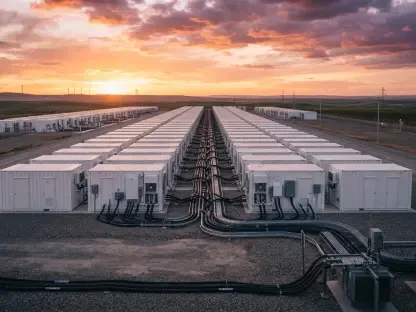
While the rapid growth of battery storage and solar production has provided a necessary boost to the state’s energy portfolio, these modern technological solutions currently face significant hurdles regarding their duration and discharge capabilities. Most existing battery installations are specifically engineered to provide quick bursts of power to manage frequency fluctuations or to cover the initial evening ramp-up, but they are not yet sized to carry the state’s massive load through an entire hot night. There is a technological gap between the high-power, short-duration batteries currently in operation and the long-duration storage needed to sustain the grid if thermal plants fail during an extended period without wind or solar input. Consequently, the reliance on these storage systems as a primary defense mechanism remains limited until larger, multi-hour storage projects can be fully integrated into the existing market structure. Until this transition is complete, the grid remains heavily dependent on gas-fired generation to bridge the gap between renewable production cycles and consistent industrial demand.
The structural complexity of the Texas power system was deeply rooted in its geographic isolation, as the grid functioned as an independent “island” that remained largely disconnected from surrounding national interconnections. To address this, state regulators accelerated the implementation of more stringent oversight for how large-scale industrial users connected to the transmission network, ensuring that new demand did not outpace infrastructure development. Unlike other regions that drew surplus power from neighboring states, Texas relied on internal planning and the incentivization of localized generation assets to bridge the supply-demand gap. These efforts sought to prioritize self-sufficiency through aggressive investment in local battery technology and modernized grid management systems. By the end of this period, the state transitioned toward a more resilient architecture aimed at decoupling economic growth from energy vulnerability, ensuring that the rapid expansion of industrial capacity remained supported by a stable and adaptable power source. This strategic pivot focused on long-term sustainability rather than reactive measures to maintain operational integrity across the entire state.