
By setting a manageable minimum order threshold of 600 cells, CATL is effectively capturing a market segment previously forced to rely on the erratic gray market. The introduction of “CATL Mall” marks a significant shift in the global energy storage landscape, transitioning the world’s largest battery manufacturer toward a direct-to-business digital model. This strategic move aims to consolidate market dominance by providing a streamlined, official channel for smaller-scale energy storage system integrators who have historically struggled with high entry barriers. By establishing this digital storefront, the company is effectively bypassing traditional third-party distributors and eliminating the significant markups that often plague secondary supply chain layers. This initiative not only democratizes access to high-quality lithium iron phosphate technology but also ensures that the rapid expansion of renewable energy infrastructure is supported by reliable hardware sourced directly from the production line.
Hardware Innovation: High-Performance Specifications and Scalability
The digital platform currently features high-performance lithium iron phosphate cell options designed specifically for non-automotive applications. Buyers can select between 280 Ah cells and 314 Ah cells, with the latter offering a more cost-effective high-capacity solution at approximately $62.9 USD per kWh. These products are engineered for extreme longevity, boasting a lifespan of 8,000 cycles while maintaining a 70% state-of-health. Such technical specifications are critical for stationary storage projects where the return on investment depends on the battery’s ability to endure daily charge-discharge cycles over several decades. By offering these specific cell architectures directly to businesses, the manufacturer ensures that even smaller integrators can build systems that compete with large-scale utility projects in terms of durability and efficiency. This focus on stationary storage specifications highlights a departure from the one-size-fits-all approach common in earlier battery markets.
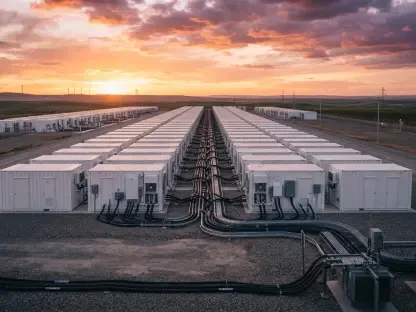
To further accommodate diverse project scales, the storefront offers a comprehensive inventory ranging from individual cell boxes to massive 20-foot energy storage containers capable of holding up to 5 MWh. This scalability is a cornerstone of the new procurement model, providing the necessary hardware for various industrial and commercial needs without the logistical hurdles typically associated with heavy equipment shipping. Small firms can now acquire exactly what they need for a local microgrid or a commercial backup system without being forced to buy in excessive bulk. This flexibility allows for a more granular approach to energy storage deployment, where the infrastructure can be tailored to the specific energy profile of a building or a community. The ability to purchase a fully integrated 5 MWh container through a digital interface represents a massive leap in how industrial-grade energy assets are transacted, moving the industry toward a much more agile and responsive supply chain framework.
Strategic Market Positioning: Premium Pricing and Reliability
While direct-to-business models often imply a race to the bottom regarding wholesale costs, the company has positioned its digital storefront as a premium service. Current listings on the platform are slightly higher than the Chinese domestic industry average, reflecting a strategic bet that small businesses will prioritize reliability over the lowest possible price. By purchasing directly from the manufacturer, customers gain guaranteed product quality, eliminating the inherent risks of counterfeit or B-grade cells often found in the reseller market. In an industry where a single faulty cell can compromise an entire megawatt-scale installation, the peace of mind provided by a direct factory warranty is becoming a more valuable commodity than a marginal discount. This premium positioning helps maintain healthy margins while building a loyal customer base that values technical integrity and long-term performance over short-term savings in the procurement phase.
Furthermore, the platform provides supply chain certainty through rapid three-to-five-day shipping and standardized five-year warranties. This level of logistical efficiency is rarely seen in the industrial battery sector, where lead times can often stretch into several months. By maintaining a dedicated inventory for the digital mall, the company ensures that integrators can meet their project deadlines without being held hostage by global shipping delays or intermediary inventory shortages. The standardized warranty also simplifies the risk assessment for smaller companies, who often lack the legal resources to negotiate complex service agreements with third-party vendors. Having a direct line to the manufacturer for support and replacements creates a safety net that encourages more companies to enter the energy storage space. This reliability-first approach effectively professionalizes the smaller end of the market, ensuring that localized energy projects meet the same standards as utility-scale deployments.
Industrial Evolution: Digitalization and Future Market Capture
The industrial purchasing process has been revolutionized by adopting a user interface that mimics consumer e-commerce, making the procurement of complex energy assets as simple as using a retail app. Registration requires a valid business license, but once verified through a swift one-minute process, users can browse and order with unprecedented ease. The platform features real-time dynamic pricing, allowing buyers to see immediate price breaks based on quantity and fluctuations in raw material costs like lithium and carbonates. This level of transparency is a significant departure from traditional industrial procurement, which usually involves opaque negotiations, multiple rounds of quotes, and lengthy lead times. By bringing this level of clarity to the B2B sector, the manufacturer is setting a new standard for how industrial components are traded globally, emphasizing efficiency and user autonomy over traditional, salesperson-driven interactions.
This digital shift was also a response to the saturating automotive sector and intensifying price wars, allowing the company to leverage its 42.9% domestic market share to diversify into high-margin adjacent industries. The energy storage sector serves as a vital alternative to the low-margin pressure of the electric vehicle market, providing a pathway for consistent growth through the “long tail” of the global energy transition. This move ensured that the company remained at the forefront of the industry by securing a direct link to end-users and gathering critical data on the requirements of smaller integrators. These strategic steps moved the industry toward a hybrid future where large-scale projects remained negotiated, while the burgeoning commercial and residential sectors thrived on standardized, digital-first access. This evolution signaled a future where the distinction between industrial procurement and retail continued to blur, driven by the urgent global need for accessible and reliable energy solutions.