
The persistent instability of the electrical grid across the Visayas region has reached a critical threshold, forcing local business leaders to demand immediate intervention from the national government to prevent a total economic collapse. As power outages become more frequent and unpredictable, the Cebu Chamber of Commerce and Industry, along with various advocacy groups, has formally requested the declaration of a state of energy emergency. This move would allow for the expedited procurement of additional power capacity and the relaxation of certain regulatory hurdles that currently prevent swift responses to supply shortages. The situation is particularly dire because the existing infrastructure cannot keep pace with the rapid urban development and industrial expansion that characterizes the current landscape of 2026. Without a formal declaration, the region faces a summer of rolling blackouts that threaten both the livelihood of residents and the operational viability of high-tech manufacturing firms. Stakeholders argue that the current legal framework is too sluggish to handle the emergency.
Systemic Weaknesses: The Core of the Regional Power Crisis
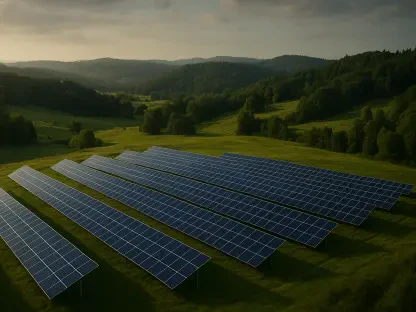
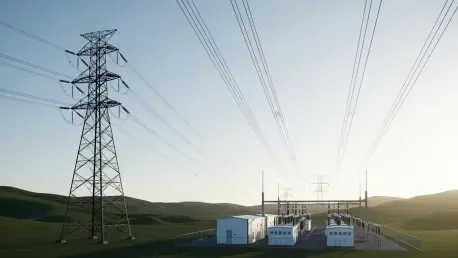
The current energy shortfall is not merely a seasonal fluctuation but rather a symptom of systemic weaknesses within the Visayas grid that have been exacerbated by delayed maintenance and insufficient investment in new generation facilities. Engineers have pointed out that the reliance on aging coal-fired plants and intermittent renewable sources has created a volatile mix that cannot handle peak demand during the hottest months of the year. Furthermore, the submarine cables connecting various islands are often operating at maximum capacity, leaving very little room for error when a single plant goes offline unexpectedly. Advocacy groups emphasize that while long-term plans for modular nuclear reactors and expanded solar farms are in development, the immediate need for baseload power remains unaddressed. This technical bottleneck has led to a situation where the reserve margin is often razor-thin, frequently dipping into yellow and red alert statuses that trigger manual load shedding across the metropolitan area, disrupting daily life and commerce.
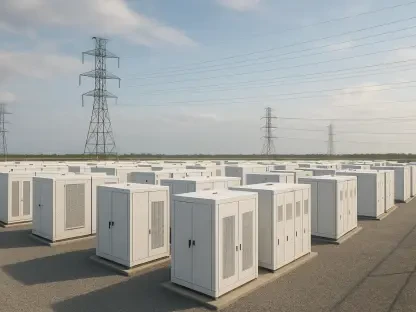
Beyond the physical limitations of the power plants themselves, the regulatory framework governing the energy sector has often been criticized for being too rigid to handle sudden fluctuations in demand or supply. Current laws require lengthy bidding processes and environmental clearances that, while necessary for long-term sustainability, act as significant barriers during an acute crisis. The call for a state of energy emergency is specifically aimed at bypassing these bureaucratic delays to allow for the temporary deployment of barge-mounted power plants and high-capacity battery storage systems. These mobile solutions could provide the necessary buffer to stabilize the frequency of the grid while permanent facilities undergo much-needed upgrades. By prioritizing emergency procurement, the government could theoretically tap into private sector reserves and international energy providers to bridge the gap during the 2026-2027 transition period. This proactive stance is seen as the only way to mitigate the risks of a prolonged blackout that would damage sensitive equipment.
Strategic Solutions: Implementing an Emergency Response Framework
To navigate the current impasse, the advocacy group proposed a multi-pronged approach that combines immediate legislative action with strategic technical interventions aimed at long-term resilience. The recommendation for a state of energy emergency included a specific mandate for the Department of Energy to streamline the approval of microgrid projects and decentralized energy systems. By allowing industrial parks to generate and share their own power independently of the national grid, the total load on the main system could be reduced significantly, providing relief for residential consumers. Additionally, the group urged the government to implement mandatory energy conservation measures for non-essential public buildings and large commercial complexes during peak hours. These measures were designed to flatten the demand curve and prevent the grid from reaching the breaking point during the late afternoon surge. This coordinated effort sought to balance the immediate need for supply with a disciplined approach to demand management.
The resolution of the power crisis ultimately relied on a combination of fast-tracked infrastructure projects and a fundamental shift in how regional energy markets were managed and regulated. Authorities recognized that the transition from the current state of emergency to a stable future required a commitment to diversifying the energy mix and investing in smart grid technologies. In the months following the initial plea, several key initiatives were launched to integrate large-scale battery storage into the Visayas grid, which helped stabilize voltage fluctuations and provided a much-needed buffer during plant maintenance cycles. Policy makers also revised the guidelines for competitive selection processes, ensuring that emergency power supply agreements could be finalized within weeks rather than months during periods of documented shortage. These actionable steps provided a roadmap for other regions facing similar challenges, demonstrating that a proactive and transparent response was essential for maintaining public trust while building resilience.