
The steady hum of a lithium-ion battery mounted on a garage wall has become the modern heartbeat of American energy resilience, signaling a shift in how the nation generates and consumes power. As electricity bills climb and the aging American grid struggles under the weight of extreme weather, a new power struggle is unfolding—not in distant power plants, but on the walls of residential garages and the roofs of local businesses. When a homeowner invests in a private battery backup or solar array, a fundamental question arises: should a utility company have the right to claim control over that private asset, or should the owner be free to participate in a competitive market? The answer to this question will determine whether the next generation of energy infrastructure is defined by rigid monopolies or a fast-moving, consumer-led revolution.
The High Stakes: Who Owns the Battery in Your Garage?
The emergence of distributed energy resources has turned ordinary homeowners into active participants in the energy economy. This transition has sparked a heated debate regarding the limits of utility authority and the sanctity of private property. If a family spends thousands of dollars on a battery system to ensure their own security during a blackout, they often expect to retain the right to decide how that energy is used or sold. However, many legacy utilities view these decentralized assets as extensions of their own networks, leading to a regulatory tug-of-the-war over who gets to flip the switch when the grid is under stress.
This conflict is not merely theoretical; it carries significant financial implications for the average ratepayer. When consumers are forced into utility-controlled programs, they may lose out on the financial incentives and flexibility offered by independent providers. On the other hand, a competitive landscape allows for a variety of service models that can cater to the specific needs of a household. This tension highlights a critical juncture for energy policy, where the choice between a closed system and an open market will dictate the pace of technological adoption and the overall cost of maintaining a reliable power supply.
Understanding the Shift: From Centralized Grids to Distributed Resilience
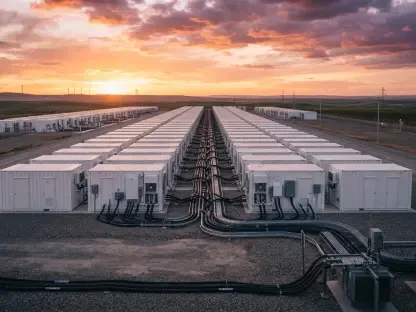
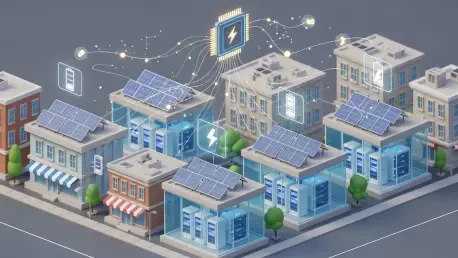
The traditional energy model is hitting a breaking point as surging demand from data centers and the electrification of transport outpaces the construction of massive, centralized power stations. Virtual Power Plants (VPPs) offer a modern alternative by aggregating thousands of “behind-the-meter” resources—like electric vehicle chargers and home batteries—into a single, controllable network that supports the grid during peak times. By treating a thousand small batteries as one large power plant, grid operators can balance supply and demand without the need for expensive, fossil-fuel-burning peaker plants.
However, a critical tension has emerged as legacy utilities fight to maintain their monopoly by seeking ownership of these decentralized tools. These companies often argue that total control is necessary for safety and reliability, yet this stance can stifle the very innovation needed to keep the lights on. In contrast to the slow-moving nature of large-scale infrastructure projects, VPPs can be scaled rapidly by leveraging existing consumer investments. The challenge for modern regulators is to prevent the centralized habits of the past from hindering the decentralized potential of the present.
Breaking the Monopoly: Why Fair Markets Drive Energy Innovation
History shows that competition is the most reliable engine for efficiency and lower prices, and the VPP sector is no exception. When third-party providers are allowed to compete, they deploy resources with a speed that utility bureaucracies rarely match. In Puerto Rico, for instance, a third-party “Customer Battery Energy Sharing Program” grew from 40 MW to an estimated 500 MW in just one year, proving vital in preventing blackouts during periods of extreme grid stress. This rapid expansion was only possible because independent companies were given the room to innovate and recruit participants quickly.
Similarly, California has successfully leveraged over 1,100 MW of capacity through demand-side programs that reward consumers for supplying backup power during wildfires and heatwaves. These programs demonstrate that when the market is open, the collective power of individual citizens can rival that of traditional power plants. By allowing multiple players to offer different incentives and technologies, the energy market becomes more robust. This diversity of options ensures that the grid remains flexible, as no single failure in a utility’s plan can derail the entire system’s reliability.
Perspectives on the Front Lines: Energy Regulation and Economics
Advocacy groups like Solar United Neighbors argue that allowing utilities to own private energy assets represents a dangerous encroachment into the private sector that could slow the transition to clean energy. This stance is gaining traction with regulators in states like Maryland and Colorado, who have recently blocked utility-led attempts to monopolize battery aggregation in favor of open, competitive markets. These regulators recognized that allowing a monopoly to control every aspect of the energy chain removes the incentive to lower costs or improve customer service.
The economic argument for this shift is bolstered by research from the Brattle Group, which suggests that a nationwide, competitive VPP rollout could save American ratepayers $35 billion by optimizing existing resources. Instead of building redundant, expensive infrastructure that sits idle for most of the year, the grid can tap into the power already sitting in people’s driveways and basements. This approach turns every participant into a micro-investor in the nation’s infrastructure, spreading the benefits of a modernized grid across the entire population rather than concentrating profits within a few large corporations.
Redefining the Utility: A Roadmap for a Modernized Grid
Transitioning to a resilient energy future required a fundamental shift in the utility business model, moving from total control to a sophisticated coordinating role. In this framework, the private market provided the capital, technology, and “building blocks” of energy production through consumer-owned assets, while the utility acted as the platform operator. Practical strategies for this transition included implementing transparent credit systems for participants and using data to incentivize the placement of resources where the grid was most vulnerable. By protecting the free market and empowering energy-producing Americans, policymakers ensured the grid remained both affordable and robust.
As the energy landscape continued to evolve, the focus shifted toward creating interoperable standards that allowed different technologies to communicate seamlessly across the network. Future efforts should prioritize the expansion of these open-access platforms to include a wider range of appliances, from smart water heaters to industrial cooling systems. To maintain this momentum, state legislatures must continue to enact policies that prevent utility companies from anti-competitive behavior. Strengthening the role of independent aggregators will be essential for reaching the scale necessary to replace aging fossil-fuel plants with a cleaner, more distributed alternative.