
The global energy landscape is currently undergoing a radical transformation as major power producers like First Gen Corporation pivot away from traditional fossil fuels toward sustainable alternatives. This strategic transition is not merely a response to environmental pressures but a calculated move to ensure long-term grid stability and financial resilience in an increasingly volatile market. By reallocating resources from natural gas assets to massive pumped hydro storage projects, the company is addressing the fundamental challenge of balancing a power grid that is becoming more reliant on intermittent renewable sources. This shift reflects a broader industry realization that while natural gas served as a reliable bridge fuel for decades, the future of energy security now lies in large-scale storage solutions that can mimic the dispatchability of traditional plants without the associated carbon footprint. As technological advancements lower the barriers to entry for complex hydroelectric infrastructure, the move toward water-based storage represents a definitive step into a modernized era of utility management.
The Economics of Energy Storage Transition
Mitigating Market Volatility: The Financial Rationale
The financial rationale for moving away from natural gas is largely driven by the inherent unpredictability of international fuel commodity pricing, which complicates long-term budgeting. Natural gas prices are frequently subject to geopolitical tensions and supply chain disruptions, creating significant risks for utilities that rely on thermal power as their primary baseline generation source. In contrast, pumped hydro storage offers a much more stable cost structure once the initial capital expenditure is managed, as the fuel is essentially recycled water driven by gravity and electricity.
By investing in these facilities, First Gen effectively hedges against the inflationary pressures of imported liquefied natural gas, ensuring more predictable energy rates for end-users. This transition allows the company to lock in operational expenses over a multi-decade horizon, providing a level of fiscal certainty that fossil fuels simply cannot match. Furthermore, the longevity of hydro assets, which can operate for over fifty years, makes them far more attractive to institutional investors seeking reliable, sustainable infrastructure that remains productive well into the second half of the century.
Regulatory Alignment: Capitalizing on Green Finance
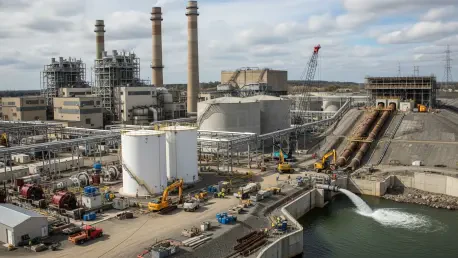
Governmental mandates and international climate agreements have created a regulatory environment where carbon-heavy assets are increasingly penalized through taxes or restrictive operational permits. Financial institutions are also shifting their portfolios toward green bonds and sustainability-linked loans, making it significantly easier to secure funding for pumped hydro projects than for new gas-fired power plants. First Gen is leveraging this shift in the capital markets to finance large-scale projects like the Aya Pumped Storage Power Project, which serves as a cornerstone of their renewable strategy.
This approach not only reduces the risk of stranded assets in a decarbonizing world but also enhances the corporate valuation by aligning with global environmental and social standards. The move toward hydro storage is therefore a proactive measure to stay ahead of future legislative changes that could render gas turbines economically unviable. By pivoting early, the organization secures its position as a leader in the renewable transition, capturing market share that would otherwise be lost to competitors as the grid evolves toward a zero-emission model.
Strategic Integration: Future-Proofing Modern Energy Systems
The transition toward pumped hydro storage demonstrated a clear commitment to a sustainable energy architecture that prioritized both reliability and environmental stewardship over short-term convenience. To maintain this momentum, industry stakeholders needed to focus on streamlining the permitting processes for large-scale water projects and fostering cross-sector collaborations that could share the significant upfront costs. It was essential for policymakers to recognize the long-term value of these assets by providing dedicated frameworks for energy storage compensation, ensuring that providers remained incentivized.
Future developments in this space required a focus on modular hydro designs and the repurposing of existing reservoirs to minimize ecological disruption while maximizing storage capacity. As the industry moved forward, the integration of advanced digital monitoring systems became a priority to optimize the dispatch cycles of these massive water batteries. By adopting these strategies, power producers successfully navigated the complexities of the energy transition, securing a cleaner and more resilient power grid for the next generation. These efforts solidified the role of hydro storage as the backbone of the grid.