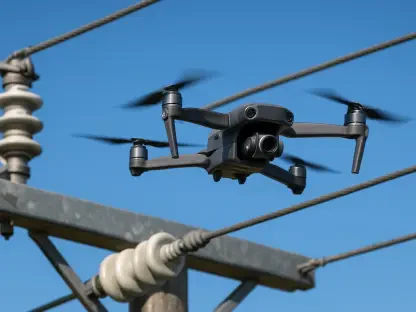

The global landscape of connected devices is undergoing a radical transformation as the traditional concept of static infrastructure yields to a dynamic network of autonomous drones and mobile robots. This paradigm shift, widely recognized as the Internet of Moving Things (IoMT), necessitates a fundamental redesign of how digital services are delivered and managed across vast geographical areas. Unlike the previous era of smart homes and fixed industrial sensors, the current environment demands a network that moves alongside its users, shifting resources in real-time to maintain seamless connectivity. Communications Service Providers (CSPs) are now tasked with deploying autonomous orchestration frameworks that can anticipate the trajectory of physical assets. This evolution marks the end of “best-effort” connectivity, replacing it with a fluid ecosystem where the network fabric itself becomes as mobile as the hardware it supports. By integrating sophisticated software layers with physical infrastructure, operators are creating a responsive digital nervous system.
Mobile Assets: Overcoming the Technical Hurdles of Connectivity
Autonomous systems such as last-mile delivery robots and aerial surveillance drones present a unique set of challenges for legacy network architectures that were never designed for high-velocity mobility. These devices require massive bandwidth for high-definition video feeds while simultaneously demanding ultra-low latency for critical command-and-control signals that ensure safe navigation. When a mobile asset transitions between different cellular cells or edge computing zones, the risk of packet loss or signal degradation increases significantly, potentially leading to catastrophic operational failures. To address these vulnerabilities, network operators are moving toward dynamic resource allocation models that prioritize “assured outcomes” over simple connectivity metrics. This shift ensures that as a vehicle moves, its digital profile follows it, maintaining a consistent quality of service regardless of physical location. The implementation of these advanced protocols allows for a truly reliable mobile internet that can support the high-stakes demands of autonomous transport.
Environmental sustainability has become a non-negotiable factor in the expansion of high-performance mobile networks, especially as the density of connected things continues to grow at an exponential rate. The energy consumption required to maintain constant, high-speed coverage for moving assets can quickly lead to an unsustainable carbon footprint if not managed through intelligent systems. Modern network orchestration must therefore balance the intensive computational needs of AI-driven drones with the strict ESG targets set by international regulators and corporate stakeholders. Operators are increasingly utilizing power-saving modes and intelligent traffic steering to ensure that radio units are only active when and where they are truly needed. By optimizing the placement of workloads across a distributed cloud environment, companies can reduce the distance data travels, thereby lowering the total energy expenditure of the system. This holistic approach ensures that the growth of the Internet of Moving Things does not come at the expense of global environmental goals.
Predictive Systems: Utilizing Intelligence as the Core of Orchestration
The transition from manual network management to full autonomy is driven by an AI-powered orchestration engine that utilizes a continuous stream of telemetry data to monitor every facet of the network. This system functions as a real-time signal layer, capable of processing millions of data points from both the infrastructure and the mobile devices themselves to create a living map of connectivity. By analyzing patterns in signal strength, throughput, and device behavior, the orchestration engine can predict potential bottlenecks before they impact the user experience. This level of visibility allows the network to effectively “follow the thing,” coordinating compute power and 5G resources across multiple edge sites in a synchronized dance. Unlike traditional rule-based automation, this modern approach adapts to the unpredictable nature of the physical world, ensuring that resources are perpetually aligned with the movement of assets. This synchronization is the foundational element that allows complex autonomous fleets to operate at scale.
Advanced machine learning models are now capable of providing predictive assurance, a significant leap forward from the reactive troubleshooting methods used in the early stages of network development. For instance, when a surveillance drone activates its onboard analytics suite, the orchestration engine can immediately forecast the resulting spike in data demand and proactively provision a dedicated network slice. This specialized virtual lane guarantees that the mission-critical video stream remains uninterrupted by other less-important background traffic on the same network. Furthermore, the system can pre-emptively move heavy processing tasks to the nearest edge computing node even before the drone reaches that specific geographic area. This proactive strategy minimizes latency and ensures that command-and-control flows remain stable, providing a safety net for autonomous operations in densely populated urban environments. The ability to anticipate and solve network issues in real-time is what ultimately defines the reliability of the modern Internet of Moving Things ecosystem.
Future Scalability: Strategic Monetization Through Standardized Infrastructure
The emergence of programmable networks has fundamentally changed the business model for service providers, turning connectivity into a highly customizable and monetizable digital asset. By exposing network capabilities through standardized APIs, CSPs allow enterprise customers to request specific operational outcomes directly through their own software platforms and management consoles. A logistics company, for example, could programmatically purchase an “assured corridor” for a fleet of high-value transport drones during a specific time window, paying only for the premium performance required. This shift moves the industry beyond the commoditized sale of data buckets and toward a value-based service model where providers offer edge-based AI inference and specialized low-latency pathways. This transparency in service delivery creates a direct link between the cost of the network resource and the tangible value it provides during a specific flight or ground mission. Consequently, the network becomes a dynamic marketplace where resources are traded based on the immediate needs.
To achieve long-term scalability, the industry successfully aligned with global frameworks such as the TM Forum’s Open Digital Architecture to ensure interoperability across different vendors and regions. This standardization allowed for the implementation of carbon-aware routing protocols that prioritized energy-efficient workload placement, effectively decoupling network expansion from rising energy costs. Organizations that adopted these modular standards found that they could easily replicate their success across different sectors, from public safety to complex smart city management. Moving forward, stakeholders prioritized the integration of automated reporting systems that provided real-time visibility into both performance and environmental impact. This approach transformed the logistical challenges of mobility into a profitable and sustainable reality for the entire telecommunications ecosystem. By focusing on open standards and intelligent automation, the industry secured a path toward a resilient digital future where connectivity remained as dynamic as the world it served. Leaders then turned their attention to deepening the integration of these systems into local regulatory frameworks.