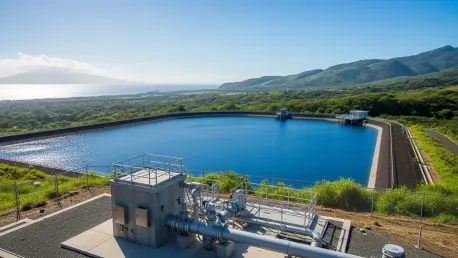

The transition of vital infrastructure from private to public hands represents a significant shift in how municipalities safeguard essential resources for future generations in the face of climate uncertainty. Maui County is currently moving forward with Resolution 26-116, a landmark legislative proposal designed to acquire the Launiupoko and Olowalu water companies for a combined sum of $6 million. This strategic investment aims to replace the fragmented private management of West Maui’s water supply with a centralized public utility model that prioritizes community resilience over corporate profitability. By moving these assets under the jurisdiction of the Department of Water Supply, the county seeks to establish a more reliable and transparent framework for water distribution. This decision comes at a pivotal time when the demand for equitable water access and enhanced fire suppression capabilities has never been higher. The acquisition encompasses a vast network of active wells, distribution pipelines, and storage reservoirs across thousands of acres.
Consolidation of Regional Infrastructure for Long Term Security
Centralizing the management of West Maui’s water resources is a key component of a broader regional strategy that has been gaining momentum under the current administration’s leadership. By incorporating the Launiupoko and Olowalu systems into the municipal grid, Maui County expects to increase its ownership of the region’s potable water infrastructure from a minority share of 45 percent to a dominant 93 percent. This massive expansion follows several other successful negotiations, such as the acquisition of the Honokōhau Ditch System, which have laid the groundwork for a truly unified island-wide utility network. The objective is to eliminate the inefficiencies associated with separate private entities and create a robust system that can be more effectively managed during periods of drought or emergency. This centralized oversight allows for more efficient allocation of resources and ensures that infrastructure improvements are coordinated across the entire district rather than being handled in isolation by private owners.
Beyond the technical benefits of consolidation, this move provides the county with the necessary leverage to support critical social initiatives, particularly the development of affordable housing projects that have long been stalled by private utility constraints. Historically, limited water availability and high connection fees from private companies have acted as a barrier to residential growth, but public ownership allows the county to prioritize community needs over investment returns. This shift is also deeply connected to the protection of Native Hawaiian cultural practices, as the municipal government can better ensure that water diversions do not negatively impact traditional agricultural lands or riparian rights. By securing these assets, the administration is effectively reclaiming the public trust and creating a foundation for sustainable development that aligns with the island’s long-term environmental goals. The integration of these systems is not merely an administrative change but a fundamental repositioning of water as a common good rather than a commodity.
Financial Analysis and Revenue Generation Projections
The financial terms of the $6 million acquisition have been a subject of intense scrutiny by the Maui County Council, yet the final negotiated price represents a significant victory for local taxpayers. In the current market, the Launiupoko system alone was appraised at over $8 million, meaning the county is securing these assets for $3.5 million, which is less than half of its professional valuation. Although the $2.5 million price tag for the Olowalu system is approximately $500,000 above its individual appraisal, the combined value of the entire infrastructure package is estimated to exceed $10 million. This holistic approach to negotiation allowed the county to leverage the purchase of the larger system to offset costs associated with the smaller one, ensuring that the total investment remains well below market rates. Officials argue that the long-term benefits of owning this infrastructure far outweigh the initial capital outlay, as it prevents future rate hikes that would have been inevitable under private ownership.
Once the transition is complete, the Department of Water Supply expects these systems to move from a state of financial loss to one of consistent profitability through the implementation of a tiered rate structure. While the previous private owners struggled to maintain operations due to strict state-regulated rates and high overhead, the county’s existing billing model is designed to generate a surplus by charging higher fees for excessive water consumption. This revenue-positive approach will ensure that the newly acquired systems are self-sustaining, with the excess funds being earmarked for future infrastructure reinvestment and emergency reserve accounts. Preliminary projections indicate that the annual revenue generated from the combined customer base will comfortably exceed the projected operating and maintenance costs within the first two years of public management. This fiscal stability is crucial for ensuring that the county can continue to upgrade the network without placing an undue burden on the general fund or requesting additional tax subsidies.
Infrastructure Upgrades and Sustainable Resource Extraction
Ensuring the physical reliability of the aging pipelines and reservoirs was a primary concern during the due diligence phase of the acquisition process. Comprehensive engineering evaluations were conducted to assess the structural integrity of the active wells and the vast network of distribution lines stretching across the West Maui foothills. The findings confirmed that while the core infrastructure is in good working order, certain components require immediate attention to meet modern safety and efficiency standards. To address these needs, the county has already allocated more than $1 million for a series of prioritized upgrades that will begin as soon as the transfer is finalized in early 2027. These projects include the relining of several major reservoirs to prevent seepage and the installation of new security fencing to protect the water supply from potential tampering or environmental contamination. Additionally, the integration of advanced supervisory control and data acquisition systems will allow for real-time monitoring of water flow.
Environmental stewardship remains a cornerstone of the county’s management philosophy, with a specific focus on preventing the over-extraction of water from delicate island aquifers. Although the current wells have the mechanical capacity to produce higher yields than they are presently generating, local leaders have emphasized that these maximum limits are intended as ecological safeguards rather than performance targets. The county plans to operate strictly within the bounds of existing pumping permits and has committed to conducting rigorous state-level reviews before considering any future increases in water withdrawal. This conservative approach to resource management is vital for maintaining the long-term health of the watershed and ensuring that the water table is not depleted during extended periods of low rainfall. By prioritizing the ecological balance of the region, the Department of Water Supply can guarantee a stable and high-quality water source for residents while also protecting the natural landscape that defines the character of West Maui for many decades to come.
Public Resilience and Future Infrastructure Initiatives
Public sentiment regarding the transition to municipal control has been remarkably positive, as residents and community advocates view the move as a vital step toward total regional resilience. The memory of recent environmental challenges has reinforced the importance of having a water system that is managed with public safety and fire suppression as its primary objectives. Under private ownership, the focus was often on maintaining minimum service levels for a specific set of customers, but the county’s broader mandate allows for a more holistic view of community protection. This includes the strategic placement of fire hydrants and the maintenance of high-pressure reserves that are essential for battling brushfires in the dry leeward regions. Local stakeholders have argued that the reclamation of water as a public trust is not just about utility rates, but about the fundamental right of a community to manage its most precious natural resource. The council’s ongoing discussions reflect a shared commitment to ensuring that West Maui is better prepared for the future.
The successful acquisition of these water systems set a clear precedent for how other municipalities might approach the challenge of crumbling private infrastructure and resource scarcity. Looking ahead, the county should focus on the seamless integration of these assets into the existing regional grid while maintaining a transparent dialogue with the residents who rely on them. Future considerations must include the expansion of recycled water programs to reduce the reliance on potable sources for irrigation and the implementation of further watershed protection initiatives. By establishing a robust public utility framework, the administration provided a blueprint for long-term sustainability that prioritized the collective well-being of the island’s population over the short-term interests of private entities. These actions demonstrated that proactive government intervention was necessary to correct market failures and ensure that essential services remained accessible to all citizens. Moving forward, continued investment in smart technology will be the key to maintaining this network.