
The relentless surge in generative artificial intelligence has rendered traditional data center architectures nearly obsolete, forcing a rapid migration toward software-defined environments that prioritize adaptability over physical permanence. As large language models grow in complexity, the hardware required to train them evolves at a pace that static building designs cannot sustain. This creates a critical mismatch between the long lifecycle of brick-and-mortar facilities and the innovation cycles of high-end graphics processing units. Consequently, the industry is moving away from site-specific construction in favor of programmable infrastructure where every component is managed through a central digital logic. This shift allows operators to reconfigure their assets on the fly, ensuring that a facility built today remains relevant as new hardware standards emerge from 2026 to 2028. By abstracting physical hardware from power systems, companies are extending the utility of their footprints while preparing for the next generation of high-density chips.
Part 1: Prioritizing Time-to-Compute in Resource-Constrained Markets
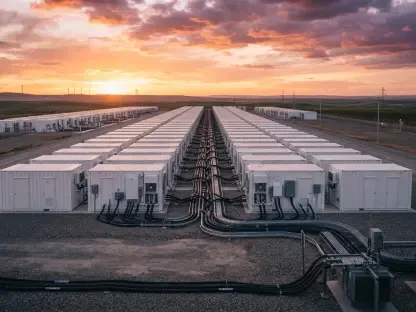
The traditional methodology of measuring data center success by square footage has become an antiquated metric in a landscape defined by immediate energy availability and rapid deployment. Today, the most vital performance indicator is time-to-compute, representing the duration between initial site planning and the moment the first AI cluster goes live. With electrical grid connections often facing multi-year backlogs, developers are focusing on unconventional ways to accelerate capacity through modular energy solutions. This urgency is driven by the reality that AI training cycles do not wait for traditional construction timelines, necessitating a move toward systems that can be assembled in months. By prioritizing speed, operators are bypassing the slow, labor-intensive processes that historically hampered digital infrastructure growth. This pivot to factory-built efficiency ensures that the critical power demands of generative models are met without the typical delays associated with urban planning.
Part 2: Adopting Software-Configurable Power for Dynamic Workloads
Modern power architectures are undergoing a radical transformation as software-defined logic replaces static electrical components, allowing for control over energy distribution. This flexibility is essential for facilities that must transition between different hardware requirements, such as shifting from legacy server racks to liquid-cooled AI clusters that demand vastly different power profiles. Advanced management software now enables operators to toggle between AC and DC power delivery or adjust voltage levels without the need for extensive physical rewiring. This level of granularity ensures that the power train remains as agile as the software running on the servers, effectively decoupling the building’s infrastructure from any single hardware generation. Furthermore, these configurable systems allow for the optimization of energy efficiency across the entire chain, ensuring that every available kilowatt is directed toward the most demanding computational tasks currently running in the cluster.
Part 3: Managing Operational Volatility and Intense AI Pulse Loads
One of the most significant challenges facing modern data centers is the management of AI pulse loads, which involve sudden spikes in power consumption during training iterations. These fluctuations can destabilize local microgrids and strain infrastructure if not properly moderated through a sophisticated software-defined control layer. By implementing real-time load shaping and predictive analytics, operators can smooth out these peaks, ensuring that the facility maintains a steady profile while delivering high-density performance. This proactive approach to energy management prevents equipment fatigue and reduces the risk of outages that could derail expensive AI development projects. Moreover, integrating these systems with broader grid management platforms allows data centers to act as stabilizing forces for utility companies, providing demand response capabilities. This synergy between the data center and the grid represents a new frontier in operational intelligence, using advanced sensors to anticipate surges.
Part 4: Accelerating Deployment through Standardized Factory Models
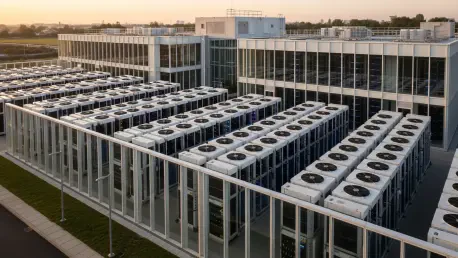
The shift toward the AI factory model relies heavily on the standardization of components, moving away from the custom, one-off designs that characterized previous generations. By leveraging factory-tested modules for everything from power blocks to cooling skids, developers ensure a level of consistency and reliability that is difficult to achieve with on-site assembly. This modularity allows for a plug-and-play infrastructure where capacity can be added incrementally as demand scales, rather than requiring massive capital outlays for speculative future growth. Standardized designs also simplify the training of maintenance staff and streamline the procurement process, further reducing the total cost of ownership. This industrialization of data center construction signifies a departure from artisanal methods, as companies adopt a manufacturing mindset to meet the exponential growth of AI. The result is a more resilient and predictable deployment cycle that aligns perfectly with the current requirements of the modern sector.
Part 5: Strategic Considerations for Long-Term Infrastructure Resiliency
Looking back, the industry recognized that the transition to software-defined infrastructure was the only viable path forward to manage the extreme demands of autonomous systems. To remain competitive, organizations took necessary steps to integrate modular hardware with unified management software, ensuring that their assets did not become obsolete. These early adopters prioritized investments in digital orchestration layers, which allowed them to maximize the utility of their power envelopes while maintaining operational stability. The move toward standardized, factory-integrated components proved to be a decisive factor in reducing time-to-market. Ultimately, the industry shifted toward a more holistic view of the data center as a programmable asset. For future success, it became essential for stakeholders to foster closer collaborations between utility providers and manufacturers to synchronize power availability with computational advancements. This collective shift ensured that the facility stayed resilient.