
As mercury levels climbed to record-shattering heights on May 18, 2026, the Mid-Atlantic’s electrical infrastructure faced a terrifying convergence of unseasonable heat and a crippled generation fleet. What happens when the nation’s largest power grid loses 40 gigawatts of capacity just as a record-breaking heatwave settles over the East Coast? On this day, this was not a hypothetical disaster but a looming reality for the PJM Interconnection, which found its reserve margins plummeting toward a catastrophic failure. As peak loads surged toward 136,000 MW, the Department of Energy took the unprecedented step of ordering massive data centers to disconnect from the public supply, revealing the fragile balance between our digital infrastructure and the physical limits of electricity.
The urgency of the situation forced grid operators to rethink the priority of consumption in real-time. By targeting the most power-hungry facilities in the country, regulators were able to prevent a systemic collapse that could have left millions of residents in the dark. This intervention serves as a landmark moment in energy history, signifying that the digital economy can no longer operate in a vacuum, isolated from the health of the broader utilities it depends on. It was a clear signal that during times of extreme stress, the needs of the human population will be prioritized over the processing of bits and bytes.
The Breaking Point of the Mid-Atlantic Power Grid
The magnitude of the crisis within the PJM footprint cannot be overstated, as the organization coordinates the movement of wholesale electricity in all or parts of thirteen states and the District of Columbia. When the system began to buckle, officials noted that more than 40 GW of power generation were offline, a deficit that represents enough energy to power tens of millions of homes under normal conditions. This massive gap in available resources left the grid with a projected reserve margin of less than 5,800 MW, a razor-thin buffer that offered no room for error or further mechanical failure.
As the heatwave intensified, the tension in regional control rooms reached a fever pitch. PJM, acting as the traffic controller for this vast network, had to navigate a landscape where demand was skyrocketing precisely when the supply was at its lowest point of the season. The primary concern was not just the total load, but the localized transmission constraints that threatened to trigger a chain reaction of failures. Without the ability to import more power from neighboring grids, which were also struggling with the heat, the system reached a physical breaking point that demanded immediate federal intervention.
Understanding the Fragility of the “Shoulder Season”
The crisis in the PJM footprint was born from a collision between traditional utility schedules and volatile climate patterns that have become increasingly unpredictable. Utility operators historically use the “shoulder seasons” of spring and fall to take plants offline for essential maintenance, assuming demand will remain low while residents keep their air conditioning and heating units turned off. However, the May heatwave shattered these assumptions, leaving the grid with its metaphorical hands tied. This incident underscores a growing trend where extreme weather no longer respects the calendar, forcing federal regulators to treat the spring maintenance window with the same level of emergency preparedness once reserved for the dead of winter.
Furthermore, this mismatch highlights the obsolescence of planning models based on historical weather averages. In the past, May was a safe harbor for refurbishing aging coal plants and upgrading transmission lines, but the current reality dictates that there is no longer a “safe” month for the grid to be at half-capacity. The volatility of the current climate has turned routine maintenance into a high-stakes gamble. As a result, grid operators are now being forced to reconsider the timing of these outages, potentially moving toward a more decentralized maintenance schedule that ensures a higher percentage of the generation fleet is available year-round.
Federal Intervention and the Mechanics of Section 202(c)
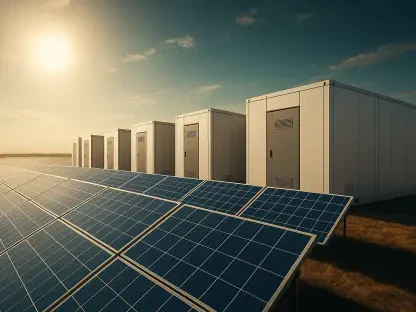
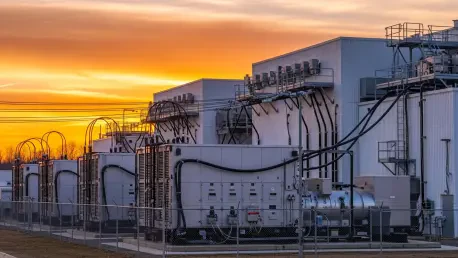
To prevent a total system collapse, the DOE invoked Section 202(c) of the Federal Power Act, a rare legal “emergency button” that grants the government authority to prioritize grid stability over commercial contracts. This order specifically targeted high-density energy users, primarily the hyperscale data centers in Northern Virginia and Maryland, requiring them to transition to on-site auxiliary power. By mandating that these facilities utilize their own diesel generators and battery storage, PJM was able to shave critical megawatts off the peak demand, effectively using “Data Center Alley” as a massive, private reserve to protect residential neighborhoods from rolling blackouts.
The implementation of Section 202(c) was a logistical feat that required immediate coordination between federal agencies, state utility commissions, and private corporations. It allowed the DOE to bypass standard environmental restrictions temporarily, such as emissions limits on backup generators, to ensure that the lights stayed on in hospitals and homes. While such measures are extreme, they demonstrate the significant power the federal government holds to reallocate resources during a national emergency. This use of the Federal Power Act has set a new precedent for how the government interacts with the tech industry during periods of regional energy scarcity.
From Consumer to Catalyst: The Strategic Pivot for Data Infrastructure
The DOE’s intervention highlights a fundamental shift in how federal regulators view energy-intensive industries. Rather than seeing data centers purely as a drain on resources, the government now views their vast backup generation capabilities—including gas turbines and advanced battery systems—as essential assets for regional stability. Expert analysis from the DOE suggests that tapping into this private reservoir of power is a “last resort” mechanism that saves lives by maintaining the integrity of the bulk power system. While this shift has sparked legal debates regarding environmental regulations and coal plant retirements, there is a clear emerging consensus: the survival of the public grid now depends on the active participation of the private digital sector.
This evolution transforms data centers from passive consumers into active participants in the energy market, a role often referred to as “demand response.” By investing in robust on-site generation, tech giants are inadvertently building a shadow grid that can support the public infrastructure during peak stress. However, this reliance on private assets also brings new challenges, including the need for better synchronization between private and public power management systems. As the digital footprint of the nation grows, the integration of these private power reservoirs will likely move from an emergency measure to a standard operational procedure.
Navigating the New Era of Emergency Grid Management
As federal interventions became more frequent, industrial and commercial energy consumers recognized the need to adopt new strategies to remain operational during grid emergencies. Large-scale facilities prioritized the synchronization of their backup systems with regional transmission alerts to ensure a seamless transition when curtailment orders were issued. Furthermore, the integration of diverse power sources, such as on-site battery storage and non-synchronized resources, provided a more resilient framework for meeting both corporate sustainability goals and federal reliability mandates. Moving forward, the ability to operate independently of the public grid was established as the primary metric of success for high-capacity infrastructure.
Stakeholders understood that waiting for the grid to modernize was no longer a viable plan. Instead, they took proactive steps to harden their own facilities against the volatility of the regional power supply. This shift required a significant investment in smart-grid technologies that could automatically detect grid stress and switch power sources without manual intervention. By the end of this crisis, the relationship between the PJM Interconnection and its largest industrial users changed forever. The event proved that through coordinated curtailment and the strategic use of private assets, the Mid-Atlantic could weather the most severe atmospheric and operational storms.