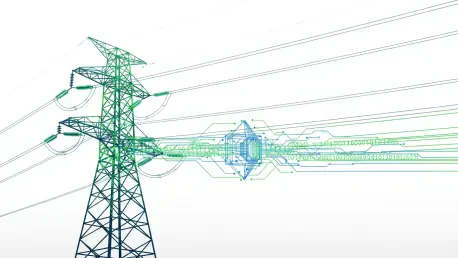

The flickering hum of a substation is no longer just mechanical noise; it is now the pulse of a system that thinks, breathes, and reacts with a speed that defies human intervention. For over a decade, the utility sector poured billions into digital foundations such as advanced metering infrastructure and grid sensors, yet much of this information remained siloed and reactive until very recently. The industry has finally reached a critical inflection point where simple visibility is no longer enough to manage a complex, modern power system. This shift marks the rise of the agentic grid, a paradigm where artificial intelligence moves from experimental pilots to the very core of grid operations.
Instead of merely alerting humans to problems, AI agents are beginning to monitor conditions, coordinate complex assets, and optimize energy flows in real-time. This evolution does not sideline human expertise; rather, it elevates the workforce to focus on high-level strategy and ethical oversight while machines handle the split-second nuances of a balancing grid. The sheer volume of data produced by millions of connected devices has necessitated a move toward autonomous decision-making. In this new landscape, the utility acts more like a sophisticated software platform than a traditional wire-and-pole company, utilizing agents to bridge the gap between information and action.
Why the Status Quo Is No Longer Sufficient for Modern Power Demands
The traditional model of predictable, centralized power generation is being dismantled by a perfect storm of external pressures. Utilities are facing an unprecedented rise in extreme weather events that threaten reliability, alongside a surge in distributed energy resources such as rooftop solar and home batteries that make the grid harder to balance. These challenges are no longer manageable through independent, manual programs or legacy control systems that rely on slow human response times. The complexity of managing millions of individual power-generating endpoints requires a level of precision that traditional methods simply cannot provide.
Simultaneously, the industry is grappling with a significant demographic shift as an aging workforce takes decades of institutional knowledge into retirement. The loss of this expertise creates a vacuum that only intelligent systems can effectively fill. To maintain affordability and safety, power companies must move toward a system that can adapt to volatility without constant manual intervention. The pressure to decarbonize while maintaining a low-cost service profile has forced a rethink of how energy is dispatched. Consequently, the transition to an autonomous framework became an operational necessity rather than a technological luxury.
Synchronizing the Grid Through Enterprise-Wide AI Orchestration
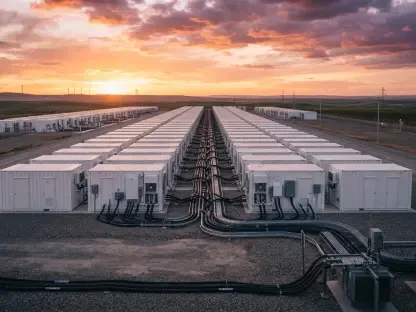
The true power of the agentic grid lies in the ability to break down the organizational silos that have historically separated asset management from grid operations. By adopting an enterprise-wide AI strategy, utilities can synchronize disparate variables—such as fluctuating renewable output, battery storage capacity, and real-time customer demand—into a single, cohesive decision-making framework. This holistic approach moves the utility from a reactive stance to a proactive orchestrated model. Leaders are increasingly viewing AI not just as a tool for individual productivity, but as the essential nervous system for organizational agility and system-wide optimization.
Moreover, this orchestration enables the grid to function as a unified entity rather than a collection of disconnected parts. When cloud cover moves over a massive solar farm, AI agents can instantly signal residential batteries to discharge or industrial loads to ramp down. This level of synchronization requires a deep integration between the customer-facing side of the business and the high-voltage transmission side. By utilizing a common data layer, the utility ensures that every department operates from the same source of truth. This transformation effectively turns the grid into an intelligent organism that can self-heal and self-optimize.
High-Stakes Reliability and the Necessity of Strategic Governance
Because utility operations are a matter of public safety and national security, the deployment of AI requires a level of oversight far beyond typical corporate IT standards. Governance must be treated as a strategic pillar, involving a collaborative team of leaders from operations, legal, regulatory affairs, and cybersecurity. A robust framework ensures that every AI-driven action is transparent, accountable, and aligned with strict safety protocols. By establishing these controls early, utilities can determine exactly where AI can safely increase operational speed and where human judgment remains the final word.
Transparency is particularly vital when dealing with regulatory bodies and the general public. Explainable AI models allow operators to understand why a specific decision was made, ensuring that black box scenarios do not lead to catastrophic grid failures. Furthermore, the integration of cybersecurity directly into the AI governance framework provides a defense-in-depth strategy. As the grid becomes more autonomous, the surface area for potential cyberattacks increases. Therefore, constant monitoring and automated threat response are built into the very fabric of the agentic system. This proactive security posture ensures that autonomous capabilities expand without compromising grid integrity.
A Disciplined Framework for Scaling Agentic Intelligence
Transitioning to an intelligent grid required a phased approach that prioritized high-value use cases to build internal confidence and measurable return on investment. The journey began with the creation of high-quality, unified data sets followed by the deployment of targeted applications such as condition-based predictive maintenance and precise vegetation management to mitigate wildfire risks. As these systems matured, utilities expanded into advanced load forecasting and real-time cybersecurity anomaly detection. Crucially, this strategy included a heavy investment in AI literacy for the existing workforce, ensuring that field supervisors and operations staff were prepared to work alongside intelligent agents in a symbiotic, high-performance environment.
The industry then established that the next critical steps involved the standardization of cross-utility agent communication and the integration of AI into long-term capital planning. These efforts ensured that the grid remained resilient while providing a clear path for future technological scaling. Managers discovered that success was not just about the code, but about the culture. They built frameworks that allowed for safety and scale across diverse geographic regions. The roadmap then prioritized the maintenance of this balance between technical autonomy and human strategic oversight, ensuring that the energy sector continued to provide safe, reliable, and affordable power in an increasingly unpredictable world.