
The landscape of the American energy sector is currently witnessing one of its most profound architectural shifts as Dominion Energy aggressively sheds its nonregulated portfolio to embrace a future built entirely on regulated utility frameworks. This strategic realignment represents a significant departure from the diversified model that previously defined the company, signaling a prioritization of predictable cash flows and ratepayer stability over the high-risk, high-reward nature of merchant power markets. By refocusing its operations, the company is attempting to navigate an environment where rising infrastructure costs and evolving environmental mandates require a more disciplined approach to capital allocation. As of mid-2026, the success of this transition remains the central narrative for investors who are looking for a safe harbor amidst broader economic fluctuations. The move to divest nonregulated solar and natural gas holdings marks a definitive end to an era of expansion that often left the organization exposed to the whims of volatile commodity pricing.
Financial Performance: Navigating the Transition Costs
The transition toward a purely regulated business model has not been without its share of immediate financial friction, as evidenced by the company’s recent performance metrics. Second-quarter earnings in 2026 revealed a notable decline compared to the previous year, primarily driven by the substantial costs associated with offloading nonregulated assets and the lingering impact of high fuel prices. A central component of this streamlining effort involved the sale of significant solar and natural gas holdings to international firms like Enel, a move that provided necessary capital but also required accounting for divestiture expenses. While these short-term headwinds have pressured the stock price, leadership maintains that the reorganization is essential for the long-term health of the enterprise. By exiting the competitive solar market, the company can redirect its focus and management bandwidth toward the massive capital requirements of its regulated operations in Virginia and South Carolina.
Beyond the immediate impact of asset sales, the company is also contending with the internal logistical challenges of restructuring a multi-state utility operation. The shift toward regulated growth requires a delicate balance between maintaining current service levels and investing in the next generation of power generation technology. High interest rates throughout the current year have increased the cost of servicing the debt used to fund these massive infrastructure projects, further complicating the financial picture. However, the move away from nonregulated assets is expected to result in a much lower risk profile, eventually leading to a lower cost of capital as credit rating agencies respond to the increased earnings predictability. This evolution is designed to create a more resilient balance sheet that can withstand the capital-intensive nature of the modern energy transition. By stripping away the complexities of merchant power, the organization is positioning itself as a pure-play utility favored by conservative institutional investors.
Offshore Wind: Balancing Escalating Costs and Reliability
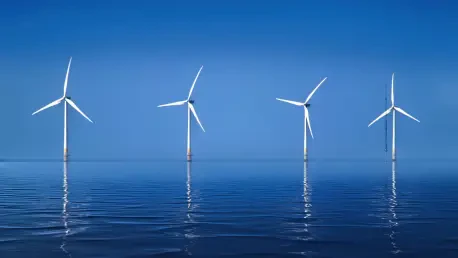
A cornerstone of the company’s future infrastructure is the Coastal Virginia Offshore Wind project, a massive undertaking that has faced significant external pressures over the last few years. Recent updates indicate that the project budget has climbed to approximately $11.7 billion, a figure that reflects the broader inflationary environment affecting the global renewable energy sector. Geopolitical factors, including shifting trade tariffs and international supply chain constraints, have contributed to these cost escalations, while network upgrade requirements have added further complexity to the engineering timeline. These logistical hurdles have pushed the anticipated completion date of the facility into late 2027, representing a minor setback for a project that was once seen as the primary driver of immediate renewable capacity. Despite these delays, the construction phase has progressed significantly, with many of the offshore foundations already in place and the specialized vessels required for turbine installation secured.
The commitment to the offshore wind initiative is grounded in the belief that the long-term benefits will far outweigh the initial capital outlays and construction delays. Once operational, the facility is expected to provide substantial fuel savings to millions of customers by reducing the reliance on imported natural gas and coal for peak demand periods. Furthermore, the project serves as a critical hedge against the inherent volatility of fossil fuel markets, providing a stable source of zero-carbon energy that is not subject to the price spikes often seen in global commodity trading. Leadership has emphasized that the regulatory framework in Virginia allows for the recovery of these costs in a way that protects the company’s financial integrity while ensuring that ratepayers receive the environmental benefits of the transition. This project is not merely an environmental statement but a core component of a strategy to ensure grid reliability in a region that is becoming increasingly dependent on a diverse mix of power sources.
Strategic Growth: Addressing Future Energy Demands
The strategic landscape for the company could be fundamentally altered by the proposed merger with NextEra Energy, a union that would create the most significant regulated utility entity in the United States. This potential combination would oversee a massive development pipeline exceeding 130 GW, offering unprecedented scale and operational efficiencies across several states. If approved, the merger would likely involve significant credits being passed back to customers, a move intended to ease the regulatory path through the Virginia State Corporation Commission. Analysts are currently monitoring the accelerated review process, with many expecting a settlement to be reached before formal hearings commence in late 2026. Such a merger would provide the organization with the deep financial pockets and technical expertise needed to manage the increasingly complex demands of the national power grid while benefiting from the economies of scale that come with managing a massive customer base.
The explosion of the data center industry in Northern Virginia emerged as the most significant driver of demand, with a contracting pipeline reaching nearly 54 GW by mid-2026. This surge in power requirements, driven largely by the global adoption of artificial intelligence and cloud computing, forced the company to reconsider its long-term capacity plans. To meet this load, the organization focused on securing a long-term license extension for the Millstone nuclear station in Connecticut, ensuring that carbon-free baseload power remained available through 2055. This move sought to stabilize the grid and provided a reliable foundation for the more intermittent renewable sources being integrated. Decision-makers recognized that maintaining nuclear capacity was essential for protecting ratepayers from price swings. Ultimately, the pivot toward regulated growth was framed as an investment in critical infrastructure. By prioritizing the expansion of nuclear and renewable assets, the company established a clear path forward for the digital economy.