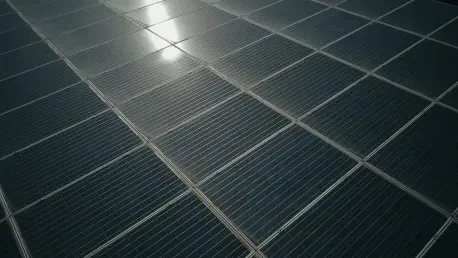

The skyline of New York City is no longer defined merely by its iconic glass and steel spires but by a rapidly expanding network of photovoltaic arrays that signal a fundamental shift in how the Empire State generates its power. This transition is not merely a cosmetic change but a comprehensive overhaul of the energy landscape, driven by aggressive mandates that require seventy percent of the state’s electricity to come from renewable sources by 2030. As traditional fossil fuel plants are decommissioned, the focus has shifted toward hyper-local generation, transforming rooftops and abandoned industrial sites into productive energy assets. This evolution requires a sophisticated blend of private investment, public policy, and engineering ingenuity to ensure that the grid remains stable while becoming significantly cleaner. By prioritizing decentralized systems, the state is creating a blueprint for other metropolitan areas to follow in the pursuit of carbon neutrality.
Revolutionizing Access with Distributed Energy Resources
Bridging the Gap for Low-Income Neighborhoods
Community solar projects have emerged as a cornerstone of this energy transformation, allowing residents who cannot install panels on their own roofs to benefit from clean energy. These shared arrays provide credits directly to participants’ utility bills, effectively democratizing access to renewable power for renters and those living in multi-family dwellings. The logic behind this approach is simple: by pooling resources, communities can fund larger, more efficient installations than individual homeowners could afford alone. This model also alleviates the technical barriers associated with old building structures that might not support the physical weight of solar hardware. Furthermore, the state has implemented specific carve-outs for disadvantaged communities, ensuring that the economic benefits of the green transition are shared equitably. This focus on inclusion helps to mitigate the energy burden often felt by low-income households significantly today.
Harnessing Commercial and Industrial Surfaces
While residential growth is significant, the most substantial gains in capacity are often found on the expansive rooftops of commercial warehouses and industrial facilities across the state. These vast, flat surfaces offer the ideal environment for large-scale solar arrays that can generate several megawatts of power without requiring additional land use. State-level initiatives have streamlined the process for business owners to lease their roof space to solar developers, creating a new revenue stream that offsets operational costs. This industrial-scale deployment is particularly effective in urban outskirts where logistics hubs are concentrated, allowing for high-density energy production close to the centers of demand. By utilizing existing infrastructure, the state avoids the complex environmental and zoning issues often associated with greenfield developments. The speed of installation on these sites has accelerated as modular mounting systems and high-efficiency micro-inverters become common.
Strategic Integration of Advanced Infrastructure
Lithium-Ion and Beyond: The Role of Storage
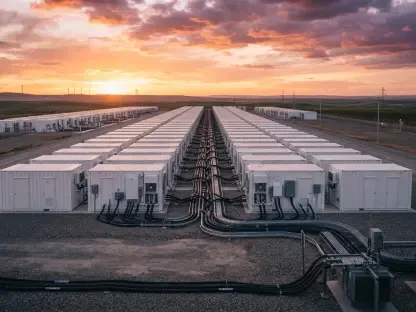
The intermittent nature of solar energy necessitates a robust strategy for energy storage, which has seen a massive surge in investment and technological development across the region. Large-scale lithium-ion battery installations are being deployed alongside solar farms to capture excess energy produced during the day for use during the evening hours. These systems are essential for maintaining a steady supply of electricity as the sun sets and demand typically rises, ensuring that the transition to renewables does not compromise grid reliability. New York has set ambitious targets for storage capacity, recognizing that without the ability to store power, a high penetration of solar would be difficult to manage. Engineers are also exploring alternative chemistries, such as flow batteries and long-duration storage solutions, which offer safer and more sustainable options. The integration of these hardware solutions requires careful planning and coordination with fire safety officials today.
Sustainable Pathways: Implementing Scalable Future Solutions
The strategic implementation of solar energy across New York established a comprehensive model that integrated technological innovation with social equity and economic pragmatism. Stakeholders recognized that achieving carbon neutrality required more than just the installation of panels; it necessitated a complete rethinking of grid management and public participation. The focus on storage solutions addressed the critical challenge of intermittency, while community solar initiatives ensured that the benefits of renewable energy were accessible to all socioeconomic groups. Looking ahead, planners prioritized the continuous refinement of smart grid technologies and the expansion of inter-state cooperation to create a more integrated regional energy market. Continued investment in research and development for long-duration storage and next-generation materials proved essential. Strengthening the partnership between private developers and local communities offered a very effective method for project success.