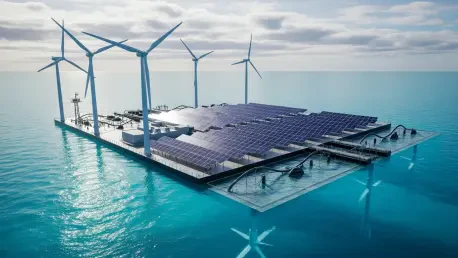

The maritime industry is currently witnessing a profound shift as the traditional reliance on fossil fuels gives way to sophisticated, autonomous energy ecosystems that redefine what is possible on the open water. While the dream of a fully self-sustaining vessel has existed for decades, the integration of high-efficiency photovoltaics with advanced battery storage has moved from experimental prototypes to standard commercial offerings. At the South Coast & Green Tech Boat Show, the deployment of a specialized Navico Group demonstration unit has provided a tangible benchmark for this transition, serving as a mobile laboratory that operates entirely on harvested solar energy. This setup manages to power a comprehensive suite of modern maritime electronics, including high-definition radar, sonar systems, and satellite communication tools, without requiring a single drop of fuel or an external grid connection. By synthesizing components from diverse industry leaders such as B&G, Lowrance, and Mastervolt into a single cohesive architecture, the demonstration proves that the technical barriers to entry have been dismantled, leaving only the logistics of widespread implementation to be addressed by the broader market.
The strategic importance of this development lies in its ability to bridge the gap between high-level manufacturer innovation and the immediate, practical requirements of modern vessel operators and technical installers. This approach moves beyond theoretical white papers by providing a hands-on environment where engineers can observe the real-time interaction between energy generation and heavy electrical loads. By focusing on system design and trade support, specialists are now able to provide the necessary training to ensure these complex installations are both reliable and scalable across different maritime sectors. The current trajectory suggests that the adoption of these technologies is no longer a matter of environmental idealism but a calculated move toward operational independence and long-term cost reduction. As global corporations align their sustainability goals with these proven hardware solutions, the perception of renewable marine power has successfully shifted from a niche luxury to a viable, everyday reality for the contemporary seafaring community, signaling a definitive end to the era of total carbon dependence.
Integrated Engineering: The Path Toward Energy Autonomy
Achieving total energy autonomy in a marine environment required a fundamental reimagining of how power is managed, stored, and distributed within the confined and often harsh conditions of a vessel. Modern engineering solutions now utilize intelligent power conversion systems that can prioritize critical navigation loads while simultaneously managing the fluctuating input from solar arrays and wind generators. These systems are no longer isolated components; instead, they function as a unified smart grid that utilizes machine learning to predict energy needs based on weather patterns and usage history. The transition toward this level of sophistication has been facilitated by the emergence of lithium-iron phosphate battery technology, which offers the density and safety profiles necessary for extended offshore voyages. By leveraging these advancements, marine architects are designing hulls and superstructures that maximize surface area for energy collection without compromising the aesthetic or hydrodynamic performance of the craft. This holistic design philosophy ensures that the energy harvested during daylight hours is sufficient to maintain all life-support and mission-critical systems throughout the night, effectively closing the loop on the power cycle.
Looking toward the immediate future of maritime operations, the focus must shift from proving technical viability to establishing a robust infrastructure for maintenance and global standardization. For vessel owners and commercial fleet managers, the next logical step involved the integration of these sustainable power systems into existing maintenance schedules and insurance frameworks to ensure long-term reliability. Stakeholders should prioritize the recruitment of technicians who are specifically trained in high-voltage DC systems and digital energy management, as the mechanical skills of the past were insufficient for these networked environments. Furthermore, the industry must push for more transparent data sharing regarding the real-world performance of these systems across different latitudes and sea states to refine the next generation of hardware. By focusing on the refinement of the user interface and the simplification of system diagnostics, developers ensured that sustainable technology remained accessible to those without a background in electrical engineering. This proactive investment in human capital and data analytics will ultimately determine the speed at which the global fleet can achieve true carbon neutrality.