
The stark contradiction of a region possessing some of the world’s most abundant natural resources while its residents endure the highest utility rates in the United States signals a profound systemic failure that requires immediate intervention. Alaska currently faces a multifaceted energy crisis that threatens the economic stability of its urban centers and the very survival of its remote villages. This “Energy Paradox” is characterized by a significant disconnect between federal policy mandates, which often prioritize standardized green transitions, and the physical, geographic, and climatic realities of the Arctic frontier. As market conditions shift and legacy resources dwindle, the necessity for a unified federal response becomes an issue of national security rather than just a regional utility concern.
By analyzing the current trajectory of energy markets and infrastructure development, it is clear that the traditional hands-off approach to Alaskan power systems is no longer viable. The divergence between the interconnected systems of the continental United States and the isolated networks of the north has reached a breaking point. Bridging this gap requires a deep understanding of how Alaska’s unique geography dictates its economic possibilities. This analysis explores the structural fault lines within the state’s power grid, the looming supply deficits in major population hubs, and the strategic recommendations required to secure a stable energy future for the region.
The Evolution of an Energy Island: Historical Divergence and Market Shifts
The historical development of Alaska’s power infrastructure provides the essential context for today’s market volatility. Unlike the Lower 48 states, which spent decades integrating their utility systems into a massive, interconnected North American grid, Alaska developed as a series of isolated “islands.” This fragmentation was not a choice but a necessity dictated by vast distances and rugged terrain. For a significant period, the state’s most populated region—the Railbelt—sustained itself through the abundance of local natural gas from the Cook Inlet. This local supply provided a false sense of security, masking the inherent risks of being disconnected from the broader national energy market.
However, the foundational assumptions that allowed this model to persist are rapidly eroding. The transition from a state of resource surplus to one of looming scarcity marks a significant shift in the regional economic landscape. As legacy gas fields enter a phase of terminal decline, the cost of extraction rises, and the reliability of long-term contracts diminishes. This historical pivot point demonstrates that the “local-only” management model has reached its functional limit. The current market environment necessitates a transition toward more integrated and diversified supply chains that can withstand the depletion of traditional local sources.
Analyzing the Structural and Strategic Fault Lines
The Fragility of Scale: Operational Challenges in Rural Microgrids
The Alaskan energy landscape is defined by the existence of over 200 isolated microgrids, each serving as the sole source of power for remote communities. These systems operate without the safety net of a larger grid, creating a phenomenon known as the “fragility of scale.” In these environments, the financial and operational burden of maintaining complex machinery falls on a very small customer base. When a primary generator fails or a transmission line is damaged by extreme weather, the resulting costs are not shared across millions of users but are instead concentrated on a few hundred residents, leading to astronomical utility rates.
Logistical constraints further exacerbate these structural weaknesses. In many rural areas, fuel and replacement parts can only be delivered during narrow seasonal windows via barge or expensive air freight. This dependence on fragile supply chains means that energy costs are inextricably linked to the volatility of global fuel prices and the unpredictability of Arctic weather patterns. When energy prices spike, the impact is systemic; it dictates whether a village can fund its schools, maintain its healthcare facilities, or prevent a total exodus of its population toward urban centers.
The Looming Resource Gap: Assessing the Railbelt Corridor
The Railbelt corridor, which serves as the economic engine of the state and houses approximately 75 percent of the population, is facing its own existential crisis. Historically reliant on inexpensive Cook Inlet natural gas, the region is now confronting a future where local production cannot meet demand. Because the Railbelt is essentially an energy island, there is no neighboring state to provide supplemental power during a shortage. This lack of interconnectivity means that any disruption in fuel supply or a failure to secure new generation capacity directly threatens the stability of the state’s largest businesses and residential hubs.
To mitigate this risk, the market is seeing an urgent push for massive capital investment in alternative supply routes. Options such as importing liquefied natural gas (LNG) or constructing a long-proposed pipeline from the North Slope are no longer seen as visionary projects but as immediate necessities for regional survival. Without a significant shift in how these large-scale infrastructure projects are funded and permitted, the Railbelt faces a period of escalating costs and reduced reliability that could destabilize the broader Alaskan economy for years to come.
Energy Security: A Vital Pillar of National Defense
Beyond the immediate economic concerns of residents, the stability of the Alaskan grid is a critical component of American national security. As the Arctic becomes an increasingly contested theater for maritime trade and geopolitical influence, Alaska serves as the frontline for the nation’s missile defense and early warning systems. The military installations and strategic monitoring stations located throughout the state require a consistent and resilient power supply to function. A failure in the regional grid is not merely a local inconvenience; it represents a significant vulnerability in the national defense architecture.
Consequently, federal policymakers must reframe their view of Alaskan infrastructure. Investing in the resilience of the 49th state’s energy systems is an investment in the safety of the entire country. The strategic importance of the region necessitates a shift away from traditional cost-benefit analyses that favor high-population areas. Instead, the focus must move toward a model that prioritizes the stability of the northern frontier as a national asset, ensuring that defense capabilities are never compromised by localized energy failures or market fluctuations.
Anticipating the Future of Arctic Energy Infrastructure
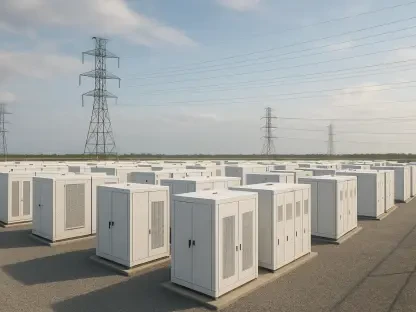
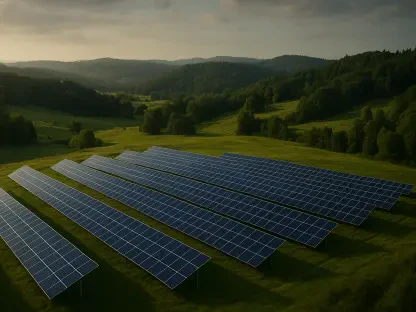
The coming decade will likely be defined by a shift toward high-tech integration and the diversification of energy sources in the Arctic. While Alaskan utilities have already gained international recognition for their ability to integrate renewable energy into isolated microgrids, the future requires moving beyond these boutique solutions. Market trends suggest a move toward “firm, flexible” generation—systems that can provide consistent power regardless of weather conditions while remaining adaptable to new technologies. This may involve the deployment of small modular reactors or the expansion of advanced energy storage systems that can bridge the gap during periods of low renewable output.
Furthermore, the evolution of the energy landscape will depend on significant regulatory shifts. Current federal policies often fail to account for the unique construction windows and logistical hurdles of the Arctic. We can expect to see a push for “Arctic-specific” project management frameworks that streamline permitting and provide the long-term certainty needed to attract private investment. If the United States successfully aligns its regulatory environment with the physical realities of the North, Alaska could become a global laboratory for resilient, decentralized energy systems, providing a blueprint for other isolated regions around the world.
Recommendations for a Coordinated National Strategy
To resolve the Alaskan Energy Paradox, a unified infrastructure strategy must replace the current system of fragmented, small-scale grants. First, federal investment should be scaled to match the geographic magnitude of the state’s challenges, focusing on large-scale supply solutions like a North Slope pipeline or significant LNG infrastructure. These projects provide the foundational stability that small-scale renewables cannot yet offer. Second, policymakers must prioritize “energy parity,” ensuring that the cost of living and doing business in Alaska is not artificially inflated by geographic isolation. This requires a rethink of how federal subsidies are distributed across the national grid.
Finally, the modernization of energy policy must include a dedicated focus on transmission bottlenecks within the Railbelt. Upgrading the existing backbone of the state’s grid will allow for more efficient power sharing and reduce the impact of localized generation failures. By implementing these strategies, the state can create a stable environment that encourages business investment and protects vulnerable communities from price shocks. A coordinated approach ensures that Alaska’s energy future is built on a foundation of resilience and strategic foresight rather than emergency response.
Reimagining Alaska as a Strategic National Asset
The analysis of the Alaskan energy landscape showed that the stability of the region was inextricably linked to the national interest. The challenges identified, from the fragility of rural microgrids to the looming resource gap in the Railbelt, demonstrated that the state’s isolation created unique vulnerabilities that required more than local solutions. Reliable power was not a luxury but a fundamental requirement for the economic health of citizens and the operational readiness of the national defense system. By recognizing the Arctic as a strategic frontier, the federal government moved toward a model of investment that prioritized long-term resilience over short-term cost savings.
Actionable steps taken to address these issues included the modernization of federal permitting processes to account for the harsh northern climate and the establishment of dedicated funding for large-scale energy infrastructure. These initiatives provided the stability necessary for communities to thrive and for the military to maintain its posture in a critical geopolitical region. The shift in perspective transformed Alaska from a remote outpost into a central pillar of American strength. Ultimately, the commitment to securing the Alaskan grid ensured that the nation remained prepared for the complexities of the modern energy landscape while protecting its most geographically unique and strategically vital state.