
Northern Ireland stands at a pivotal crossroads in its quest for energy independence as the latest figures from the Department for the Economy reveal a landscape undergoing a rapid and legally mandated transformation. By the end of March 2026, the region successfully sourced 48% of its total electricity consumption from renewable technologies, marking a significant four-percentage-point increase from the preceding year. This steady progression is not merely a statistical anomaly but a direct result of the stringent targets established under the Climate Change Act and the comprehensive Path to Net Zero Energy strategy. While the legal mandate requires a leap to 80% by 2030, the current trajectory suggests that the infrastructure is finally catching up with the ambition. The shift reflects a broader societal commitment to decoupling economic growth from carbon emissions, ensuring that the local grid becomes increasingly resilient against the volatile pricing of international fossil fuel markets.
The Strategic Shift: Diversification of the Regional Generation Portfolio
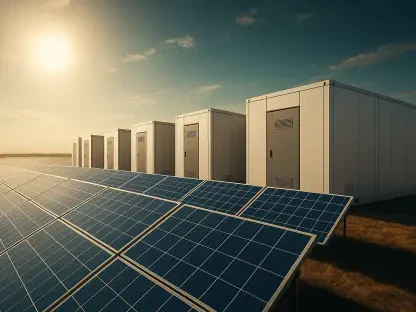
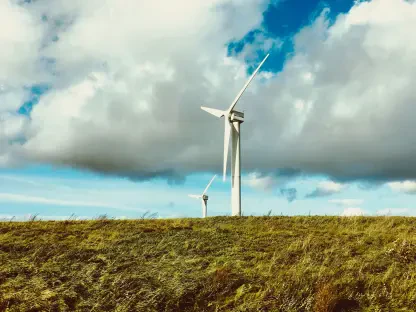
Wind energy continues to serve as the structural backbone of the regional power system, accounting for a commanding 73% of all green electricity generated within the borders. However, the narrative of the local energy sector is becoming increasingly complex as other technologies begin to take a more prominent role in the total generation mix. Bioenergy, for instance, has matured into a reliable secondary source, now providing approximately 19% of renewable output, while solar power has carved out a 6% share that continues to grow. A notable development in the latest reporting cycle is the inclusion of “own use” data, which has illuminated the significant contributions of small-scale generators that were previously overlooked. Many bioenergy and solar installations are designed to satisfy on-site industrial or agricultural demands first, meaning a substantial portion of this green energy is consumed before it ever touches the national transmission network.
Beyond the raw generation figures, the shift toward the 80% benchmark is being facilitated by a consistent and noteworthy decline in the overall demand for electricity across the region. Gross final consumption has transitioned from previous peaks to approximately 8,818 GWh in 2026, creating a smaller baseline that allows renewable percentages to rise even when capacity additions are incremental. This reduction in demand, coupled with a rise in net imports to balance the intermittent nature of wind and solar, underscores the tactical complexity of managing a modern grid. While domestic generation remains impressively green—with 52% of the locally produced 8,202 GWh coming from renewable sources—the region’s reliance on external energy trade remains a critical factor. Balancing these imports with indigenous production will be essential as the grid operators work to maintain stability while phasing out the remaining fossil fuel legacy plants.
Data Integrity: Implementing Advanced Metrics for Regulatory Transparency
The transition to the “Gross Final Electricity Consumption” measurement framework represents a fundamental shift in how the regional energy balance is calculated and reported to stakeholders. This updated methodology is more rigorous than previous iterations because it accounts for grid losses and the electricity used by the generating plants themselves, providing a more transparent view of actual energy flows. Although this shift makes it technically challenging to compare current performance directly with data published before 2026, the move aligns the region with international reporting standards and best practices. By incorporating these finer details, policymakers can now identify exactly where inefficiencies exist within the distribution system, allowing for targeted investments in grid reinforcement. This level of data granularity is vital for building public trust and ensuring that the roadmap to the 2030 targets is based on a realistic assessment of what is actually reaching the end-user.
To bridge the 32% gap remaining to reach the statutory target by 2030, the focus must now shift toward accelerating the deployment of diverse technologies beyond the existing wind farm fleet. While wind power will undoubtedly remain the primary driver of the transition, the growth of bioenergy and solar—supported by better tracking and grid integration—will be the deciding factors in meeting the final benchmark. Investment strategies are increasingly targeting storage solutions and green hydrogen production to capture the surplus energy generated during peak wind events, which would otherwise be lost to curtailment. The next four years from 2026 to 2030 will require a coordinated effort between the private sector and government agencies to streamline the planning process for new infrastructure. Current data suggests that the pathway is viable, provided that the momentum in small-scale solar and biomass projects continues to supplement the large-scale utility projects.
Strategic Integration: Building Grid Resilience for Future Success
The analysis of the 2026 energy reports demonstrated that Northern Ireland established a robust foundation for achieving its 80% renewable mandate, though the journey revealed significant technical hurdles that required immediate attention. It was clear that simply increasing capacity was insufficient without a simultaneous modernization of the grid to handle the bi-directional flow of energy from decentralized solar and bioenergy sites. Moving forward, the strategic focus shifted toward long-duration energy storage and the implementation of smart grid technologies that managed demand in real-time. Stakeholders prioritized the development of localized microgrids and community-based energy projects to reduce the burden on the main transmission lines while increasing regional energy security. By fostering a policy environment that rewarded flexibility and efficiency rather than just raw output, the region ensured that the final push toward 2030 stayed economically sustainable.
The historical progress made up to this point served as a testament to the efficacy of the Climate Change Act in driving large-scale industrial shifts. Every percentage point gained in the renewable sector represented a tangible reduction in carbon intensity and a step toward a more decentralized and democratic energy model. This evolution highlighted the importance of inter-agency cooperation and the need for a regulatory framework that remained agile in the face of rapid technological change. As the region moved closer to its 2030 obligations, the lessons learned from the initial deployment of wind and bioenergy provided a blueprint for other jurisdictions seeking to decarbonize their own grids. Ultimately, the success of the strategy relied on the ability to integrate diverse energy sources while maintaining a stable and affordable supply for all consumers. This comprehensive approach confirmed that the target was not only a legal requirement but a practical possibility.