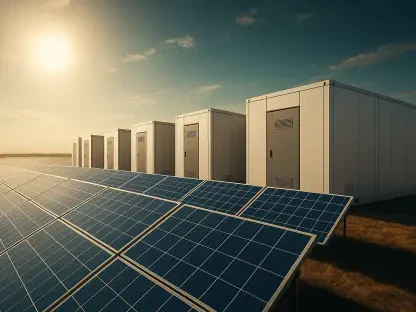

The evolution of the United States energy infrastructure from a centralized, fossil-fuel-dependent system to a highly agile network of distributed assets represents the most significant engineering shift since the original electrification of the country more than a century ago. This transition is characterized by the rise of Virtual Power Plants, sophisticated software platforms that aggregate and coordinate thousands of individual energy resources to act as a single, dependable power source for the grid. Rather than constructing massive, multi-billion-dollar thermal plants that sit idle most of the year, utilities are now tapping into the collective power of home solar batteries, smart thermostats, and electric vehicle chargers already present in neighborhoods. This model allows for the seamless orchestration of energy supply and demand, ensuring that the grid remains stable even during periods of extreme weather or unexpected surges in consumption. By utilizing these decentralized tools, the power industry can reduce its reliance on expensive and polluting infrastructure while simultaneously providing homeowners with a more active role in the energy economy. As the technology matures, these systems are proving that the future of power is not just about generating more electricity, but about managing existing resources with far greater precision and intelligence.
Scaling Modern Energy Solutions: State Leadership and Policy Innovation
Massachusetts has emerged as a primary architect of this new energy paradigm by implementing some of the most ambitious decentralized energy mandates in the country. An executive order issued earlier this year has set a rigorous target to develop 3.5 gigawatts of demand-management resources by 2035, a volume that would account for a substantial portion of the peak energy requirements for the entire New England region. This strategic commitment serves as a clear signal to the private sector that the state is moving beyond small-scale pilot programs and toward a fully integrated, modern grid. By formalizing these capacity goals, regulators are creating the necessary market certainty for developers to invest in large-scale deployments of battery storage and smart grid software. Advocacy groups and industry experts view this leadership as a critical turning point that could finally render older, fossil-fuel-burning “peaker plants” obsolete, provided the state can successfully integrate these diverse assets into the regional wholesale market.
The success of such a massive undertaking hinges on the creation of a comprehensive policy roadmap that addresses both technical and financial hurdles. The Massachusetts framework is designed to be inclusive, incorporating everything from electric vehicle charging management to industrial energy efficiency measures. This holistic approach ensures that no single technology is a bottleneck for progress, allowing for a diverse mix of resources to support grid reliability. However, the transition is not without its complexities, as the rapid scaling of these programs requires significant updates to existing utility billing systems and data sharing protocols. Policymakers are currently focused on streamlining the interconnection process to ensure that new residential and commercial assets can be brought online without the multi-year delays that have plagued previous renewable energy projects. By establishing these clear regulatory pathways, the state is providing a blueprint that other regions can follow as they look to modernize their own aging electrical infrastructure in the face of increasing climate volatility.
Navigating the Debate: Grid Control versus Energy Democratization
While states like Massachusetts focus on capacity targets, others are grappling with the fundamental question of who should own and control the assets within a virtual power plant. In Minnesota, a significant program led by Xcel Energy has brought this tension to the forefront by proposing a model where the utility owns and operates hundreds of megawatts of neighborhood-based battery storage. This approach contrasts sharply with programs that rely on privately owned equipment, sparking a national debate over whether the shift toward decentralized energy will empower individual consumers or further solidify the dominance of large corporations. Proponents of the utility-owned model argue that centralized management is necessary to ensure the highest standards of safety and reliability, as the utility can directly dispatch resources to stabilize local transformers during a crisis. They maintain that this top-down oversight is the most efficient way to manage a complex web of thousands of individual batteries while maintaining equitable access to the benefits of the technology.
In contrast, critics of the centralized ownership model argue that it undermines the spirit of energy democratization and limits the financial upside for participating homeowners. When a utility owns the equipment sitting in a resident’s garage or neighborhood, the individual has less control over how that energy is used and fewer opportunities to benefit from the shifting price of electricity. This debate highlights a profound cultural shift within the energy sector, as the industry moves away from a hundred-year-old model of passive consumption toward one of active participation. The outcome of these discussions in Minnesota and elsewhere will likely determine the long-term structure of the American power market, deciding whether the grid remains a series of controlled monopolies or evolves into a more open, peer-to-peer network. As the technology continues to proliferate, the challenge for regulators will be to find a balance that protects the stability of the overall system while also incentivizing individual investment and protecting consumer autonomy in an increasingly digitized energy landscape.
National Growth Potential: Expanding the Distributed Resource Network
The expansion of virtual power plants is now a truly national phenomenon, with nearly 180 active projects currently operating across various jurisdictions in the United States. While California has historically led the nation in total output due to its early adoption of solar and storage mandates, states like Colorado are rapidly catching up by integrating these resources into their long-term planning. Current data suggests that the estimated potential capacity for these decentralized networks is roughly 19 gigawatts, an amount that could effectively replace dozens of large-scale traditional power plants. This scale proves that the technology has moved far beyond the proof-of-concept phase and is now a viable, cost-effective alternative to building new transmission lines or fossil-fuel generators. The rapid growth of the sector is being driven by the falling costs of lithium-ion batteries and the increasing sophistication of artificial intelligence, which allows software to predict and respond to grid stress in real-time with surgical precision.
Despite the clear technical advantages, the nationwide rollout of virtual power plants faces several systemic challenges that could impede its momentum. Federal policy shifts regarding home efficiency rebates and the rising costs of insuring electric vehicles have created a fluctuating economic environment for consumers looking to invest in green technology. Furthermore, the massive energy demand from new AI-driven data centers is placing unprecedented strain on existing infrastructure, making the need for flexible, dispatchable resources more urgent than ever. There is also the persistent issue of grid interconnection, where bureaucratic delays can leave thousands of potential energy-producing assets sitting idle for months or even years. To realize the full potential of a 19-gigawatt national network, the country must modernize its regulatory framework to match the speed of technological innovation. Successfully navigating these hurdles will require a coordinated effort between federal agencies, state regulators, and private technology providers to ensure that the grid can accommodate a new generation of distributed energy resources.
Strategic Evolution: Building a Resilient and Collaborative Power System
The shift toward virtual power plants represented a paradigm change from a rigid, top-down energy system to a flexible, bottom-up network of collaborative assets. By transforming homes and businesses from passive electricity users into active contributors to grid stability, the United States moved toward a more resilient and equitable power infrastructure. The integration of these resources allowed for a more granular approach to load balancing, which proved essential as the country faced more frequent and severe weather events. Observers noted that the most successful implementations occurred where regulators prioritized transparency and created clear financial incentives for all participants. These early successes provided a foundational blueprint for late-adopting states, demonstrating that a decentralized grid was not only technologically feasible but also economically superior to traditional methods of power generation. The transition highlighted the importance of software-driven solutions in managing the complexities of a modern economy that increasingly relied on high-density energy for everything from transportation to advanced computing.
Strategic leaders in the energy sector recognized that the true value of these systems lay in their ability to bridge the gap between volatile renewable energy production and steady consumer demand. To maximize the impact of this transition, stakeholders advocated for the standardization of communication protocols, ensuring that devices from different manufacturers could work together seamlessly within the same network. They also emphasized the need for ongoing public education to help consumers understand the benefits of participating in demand-response programs. By focusing on these practical integration steps, the industry successfully navigated the initial growing pains of grid modernization. The lessons learned from the first wave of large-scale deployments in Massachusetts and Minnesota were used to refine the next generation of energy markets. Ultimately, the adoption of virtual power plants served as a catalyst for a broader cultural shift, where the collective management of shared resources became the cornerstone of a more sustainable and secure national energy strategy. Owners of distributed assets found themselves at the heart of a new economic model that valued flexibility and responsiveness above all else.