
Establishing a data-driven narrative through third-party verification is intended to redefine how energy is produced and consumed in remote or critical settings. The persistent reliance on traditional combustion-based power in isolated regions has long presented a logistical and environmental bottleneck that modern industry must now aggressively address. Vivify Technology is currently spearheading a transition toward localized, clean energy generation by deploying a containerized hydrogen fuel cell system designed for rapid activation. Unlike massive, centralized power plants that require years of planning and extensive cabling, these compact units offer a flexible alternative for mining operations, disaster relief zones, and telecommunications hubs. By decoupling power generation from the geography of the established electrical grid, the company provides a blueprint for resilience that prioritizes both carbon neutrality and operational reliability. This shift represents more than just a new product; it signals a fundamental change in the way infrastructure planning is approached in 2026.
The Engineering Behind Modular Energy Architecture
Innovation: Core Principles of Hydrogen Scalability
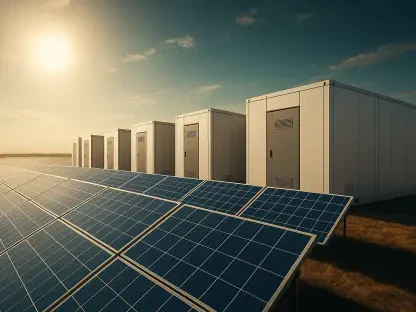
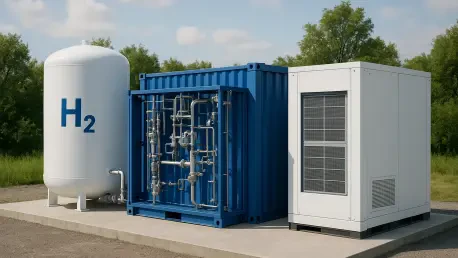
The modular philosophy underpinning this system relies on the standardization of components, which allows for seamless integration into diverse environments. Each unit is housed within a reinforced shipping container, encompassing the necessary fuel cell stacks, power electronics, and thermal management systems required for continuous operation. This “power-in-a-box” concept eliminates many of the complexities associated with site-specific engineering, as the units are pre-configured to meet specific output requirements before they even leave the manufacturing floor. Furthermore, the ability to link multiple modules in parallel ensures that capacity can be expanded as the energy demand of a project grows over time. This adaptability is particularly crucial for industries like data centers or remote research facilities where power needs fluctuate based on seasonal activities or project milestones. By utilizing high-density hydrogen storage, the system achieves a significant energy-to-weight ratio that surpasses older battery-based alternatives.
Efficiency: Thermal Management and Control Systems
Beyond the physical hardware, the control systems integrated into these modular units utilize advanced telemetry to monitor performance in real-time. This digital layer allows operators to track hydrogen consumption, stack temperature, and voltage output from centralized command centers miles away from the actual deployment site. Such visibility is vital for maintaining the longevity of the fuel cells, which can be sensitive to rapid shifts in load or extreme environmental temperatures. Moreover, the cooling systems have been refined to operate efficiently in both arid desert climates and freezing high-altitude locations without requiring external water sources for heat dissipation. This self-contained cooling loop represents a major technological hurdle that has been successfully cleared, ensuring that the system remains viable where resources are scarcest. This sophisticated approach to thermal regulation not only protects the sensitive chemical membranes within the fuel cell but also optimizes the overall conversion efficiency of the hydrogen fuel.
Rigorous Performance Evaluation and Outcomes
Validation: Analyzing Independent Testing Results
To ensure these claims held up under professional scrutiny, the testing phase involved a comprehensive audit conducted by independent energy consultants who monitored the hardware under peak load conditions. The data collected from these trials indicated a remarkable level of stability, with the hydrogen modules maintaining a steady current even as simulated grid fluctuations were introduced to test the system’s responsiveness. This third-party verification focused heavily on the round-trip efficiency of the energy conversion process, confirming that the losses typically associated with hydrogen-to-electricity transitions have been significantly minimized in this latest iteration. Such findings are essential for gaining the trust of institutional investors and governmental bodies looking to subsidize green energy initiatives. The transparency provided by this external oversight ensures that the performance metrics reported are grounded in empirical evidence gathered through rigorous field stress tests.
Sustainability: Environmental Impact and Safety Standards
Environmental impact assessments performed during the testing period also highlighted the drastic reduction in noise and air pollutants compared to traditional diesel-fueled alternatives. While a standard industrial generator produces significant acoustic interference and particulate matter, the hydrogen fuel cell operates almost silently, emitting only pure water vapor as a byproduct. This makes the technology exceptionally well-suited for deployment in ecologically sensitive areas or near residential zones where noise ordinances and air quality standards are strictly enforced. The testing protocols also scrutinized the safety mechanisms, particularly the automated shut-off valves and leak detection sensors that are critical when handling pressurized hydrogen gas. By demonstrating that these safety systems could prevent hazardous situations even in the event of mechanical failure, the evaluation proved that hydrogen is a safe and manageable fuel source for the modern era. This success paves the way for wider adoption across sectors that were hesitant to move away from legacy technologies.
Strategies for Future Infrastructure Integration
The successful completion of these modular hydrogen tests provided a clear roadmap for organizations seeking to decarbonize their heavy operations without sacrificing reliability. Engineers proved that the technology functioned effectively across varied climates, establishing that hydrogen could indeed replace the role of diesel in modern logistics. Stakeholders prioritized the immediate integration of these systems into fleet operations to take advantage of the validated efficiency gains and environmental compliance. Future considerations required a focus on the development of regional hydrogen production hubs to ensure a steady supply of green fuel for these distributed units. Looking ahead, the emphasis shifted toward streamlining the supply chain for fuel cell components to reduce the initial capital expenditure for new adopters. By treating energy as a portable and modular asset, industries began to view infrastructure as a flexible service rather than a fixed limitation. The path forward involved a collaborative effort between technology providers and regulatory bodies to standardize hydrogen safety protocols.