
The ambitious climate roadmap established by San Antonio in 2019 now faces its most significant structural test as the city’s municipal utility attempts to balance aggressive decarbonization with the unrelenting electricity requirements of a booming industrial corridor. This conflict is not merely theoretical; it represents a fundamental clash between the high-level environmental aspirations of local government and the immediate operational realities of managing the largest municipally owned utility in the United States. As of 2026, the trajectory toward net-zero emissions by 2050 is being recalibrated, as the sheer scale of energy consumption from new corporate residents threatens to outpace the city’s ability to integrate renewable sources. CPS Energy, which generates nearly half of the metropolitan area’s greenhouse gas emissions, has found itself at a crossroads, forced to decide whether to uphold its climate pledges or prioritize the grid stability and affordability that local businesses and residents demand. This pivot away from rapid coal retirement toward a more diversified and gas-reliant portfolio marks a departure from the idealistic projections of previous years, raising urgent questions about whether a modern metropolitan economy can truly decouple its industrial growth from its carbon footprint. The resulting policy shifts suggest that the path to a sustainable future is becoming increasingly complex, characterized by pragmatic compromises that might ultimately delay the achievement of critical environmental milestones for decades to come.
The Escalating Power Requirements: The Digital Economy’s Toll
The most significant disruptor to San Antonio’s carbon reduction strategy has been an unprecedented surge in demand from massive industrial consumers, particularly those in the technology sector. Data centers dedicated to artificial intelligence and high-frequency cryptocurrency mining operations have established a dominant presence in the region, drawn by relatively low land costs and proximity to major fiber optic networks. These facilities are unlike traditional residential or commercial buildings because they operate at near-constant capacity, requiring immense amounts of electricity twenty-four hours a day. Regional projections indicate that this commercial demand will more than double by 2040, creating a consumption profile that overwhelms the incremental gains made through residential energy efficiency programs. The sheer volume of this “large load” demand has forced city planners to reconsider the pace of decommissioning fossil fuel plants, as the current renewable infrastructure is not yet capable of providing the consistent, high-density power these industrial giants require to remain operational without interruptions.
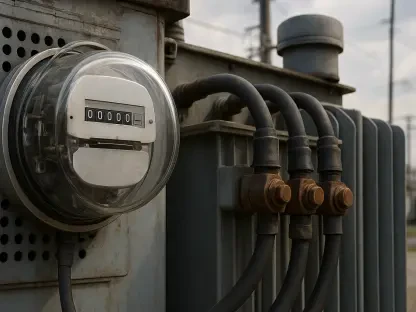
Furthermore, the expansion of these energy-intensive industries has necessitated a massive investment in new physical infrastructure that may lock the city into a carbon-heavy future for decades. CPS Energy has recently moved forward with the construction of several high-voltage transmission lines and substations specifically designed to serve industrial hubs on the outskirts of the city. While these projects are vital for economic development, critics argue that they prioritize the needs of global corporations over the long-term environmental health of the local population. By building out infrastructure that is optimized for current natural gas and grid configurations, the utility may be creating a “path dependency” that makes it more difficult and expensive to transition to decentralized renewable sources later. This strategic focus on industrial scaling creates a feedback loop where the immediate necessity of supporting the digital economy diverts capital and political will away from the innovative storage and distribution solutions required to meet the original 2050 net-zero targets.
Reconciling Reliability: The Blended Strategic Approach
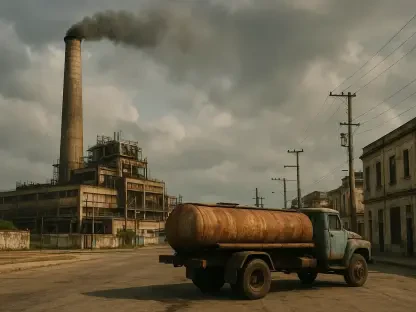
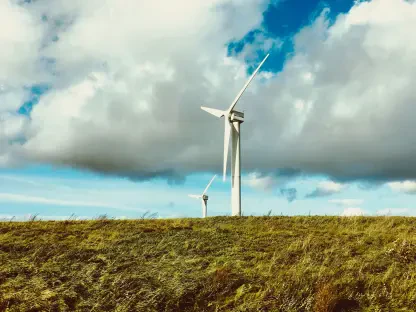
In an attempt to navigate these conflicting pressures, the CPS Energy Board of Trustees has adopted a “blended” generation strategy that prioritizes reliability and cost-containment over rapid decarbonization. This plan represents a significant shift from earlier visions of an all-renewable grid, instead opting to convert existing coal-fired units to natural gas. The rationale behind this decision is centered on the concept of “dispatchable” power—energy sources that can be turned on or off at a moment’s notice to stabilize the grid during periods of extreme heat or cold. While wind and solar capacity continue to grow, the technology for long-duration battery storage has not yet reached the scale or price point necessary to replace fossil fuels entirely for a city of San Antonio’s size. Consequently, the utility has determined that natural gas must remain a core component of the energy mix to prevent the kind of catastrophic outages that have plagued the Texas power grid in recent years, even if it means missing the 2040 pollution reduction targets.
The economic implications of this blended approach are equally central to the current debate, as the utility seeks to avoid the dramatic rate hikes associated with a purely green transition. Board members have frequently highlighted the “affordability gap,” noting that a total reliance on new renewable installations and massive storage arrays would require billions in capital investment, the cost of which would be passed directly to consumers. By utilizing natural gas as a transitional fuel, the utility believes it can maintain a more predictable price structure for its customers while still achieving some reduction in carbon intensity compared to coal. However, this focus on short-term financial stability comes at a steep environmental price, as it essentially pushes the most difficult stages of the energy transition further into the future. The tension between the need for an affordable monthly bill and the long-term necessity of a habitable climate remains the defining struggle for the city’s energy leadership, reflecting a broader global challenge in the era of escalating climate risks.
Social Equity: Navigating Political and Regulatory Hurdles
The shift toward a more conservative energy strategy has ignited a firestorm of criticism from social justice advocates and community organizers who argue that the burden of these decisions falls disproportionately on vulnerable populations. While the “blended” plan is marketed as a way to keep costs low, the utility has still found it necessary to implement periodic rate increases to fund infrastructure upgrades and the transition from coal to gas. For low-income households in San Antonio, even a modest increase in monthly utility bills can lead to a rise in service disconnections and financial instability. Activists contend that the current strategy effectively subsidizes the massive energy needs of wealthy tech corporations at the expense of local residents who see little direct benefit from the presence of data centers. This perceived lack of equity has turned energy policy into a major political flashpoint, with residents demanding more transparent decision-making and a greater focus on community-level resilience rather than industrial expansion.
Compounding these local tensions are significant external pressures from state and federal regulators that limit the city’s autonomy over its own energy future. The Texas power grid, managed by ERCOT, operates under a set of requirements that prioritize total grid capacity over the specific environmental goals of individual cities. In some instances, state-level mandates have forced the continued operation of older, less efficient power plants to ensure there is enough reserve power for the entire state during peak demand. Additionally, federal regulations regarding air quality and carbon emissions are in a state of constant flux, creating a landscape of legal uncertainty for utility managers. These external factors mean that even if San Antonio’s leadership were fully committed to a 100% renewable path, they would still have to navigate a complex web of state and federal rules that often favor the status quo. This lack of local control highlights the limitations of municipal climate plans when they are embedded within a broader, fossil-fuel-dependent economic and regulatory framework.
Evaluating Long-Term Risks: The Natural Gas Controversy
A central pillar of San Antonio’s current energy strategy is the reliance on natural gas as a “bridge fuel,” a concept that is increasingly being challenged by environmental scientists and policy experts. While natural gas emits significantly less carbon dioxide at the point of combustion than coal, the overall climate impact is often obscured by methane leakage during the extraction and transportation process. In regions like the Permian Basin, which provides much of the gas for Texas utilities, methane leaks are a pervasive problem that can negate many of the theoretical benefits of switching away from coal. Methane is a far more potent greenhouse gas than carbon dioxide in the short term, and as long as San Antonio remains dependent on gas infrastructure, it continues to contribute to this upstream pollution. This reality has led many to argue that the transition to natural gas is not a true step forward, but rather a temporary fix that fails to address the underlying drivers of global warming.
Ultimately, the 2025 “refresh” of San Antonio’s energy plan serves as a stark reminder of the practical difficulties inherent in large-scale decarbonization. By prioritizing the immediate requirements of the industrial sector and the stability of the regional power grid, the city has essentially performed a tactical retreat from its most ambitious environmental targets. This decision reflects a broader trend among major metropolitan areas where the initial enthusiasm for net-zero goals has been tempered by the harsh realities of supply chain constraints, technological limitations, and the massive energy appetite of the modern digital economy. As the city moves forward, the success or failure of its climate efforts will likely depend on whether it can find a way to integrate emerging technologies like green hydrogen or advanced geothermal energy. Without a significant breakthrough in how industrial loads are managed, the dream of a carbon-neutral San Antonio may remain an elusive goal, overshadowed by the very economic growth that the city has worked so hard to attract.
Transitioning Toward Resilience: Strategic Insights and Next Steps
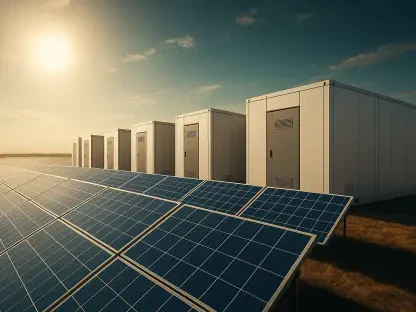
The challenges identified during the recent energy strategy overhaul provided a clear roadmap for the necessary evolution of San Antonio’s urban infrastructure. It was determined that the city could no longer rely on a centralized, top-down approach to power generation if it intended to meet its long-term sustainability obligations while supporting industrial growth. Researchers and city planners shifted their focus toward demand-side management and the implementation of sophisticated microgrid technologies that allowed industrial parks to operate semi-autonomously from the main grid. By requiring new data centers to invest in their own localized renewable generation and battery storage, the city began to alleviate the pressure on the municipal utility, ensuring that corporate expansion did not automatically result in increased carbon emissions for the entire community. This shift from being a passive provider to an active regulator of industrial energy use proved to be a critical turning point in maintaining the integrity of the 2050 climate goals.
Furthermore, the city took decisive steps to modernize the local workforce, creating training programs focused on the maintenance and operation of advanced energy storage and carbon capture systems. These programs were specifically targeted toward communities that had historically been most affected by utility rate hikes and environmental degradation, effectively bridging the gap between social equity and technological progress. Stakeholders also pushed for a more aggressive adoption of building codes that mandated ultra-high efficiency for all new commercial constructions, significantly reducing the “base load” requirements of the city. These integrated efforts demonstrated that while the path to net-zero was more difficult than initially anticipated, it remained achievable through a combination of strict industrial oversight, localized energy production, and a commitment to inclusive economic development. Moving forward, the emphasis remained on creating a flexible, resilient grid that could adapt to the changing needs of the digital age without sacrificing the environmental well-being of future generations.