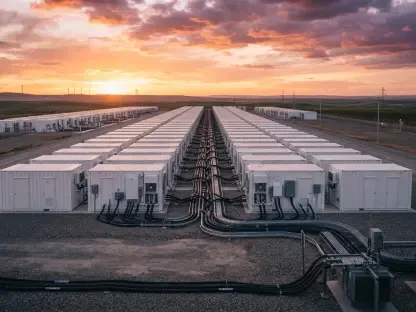

The relentless proliferation of high-performance computing facilities across the American landscape is currently reshaping the fundamental dynamics of the national energy market. As these high-density computing hubs integrate into the existing power grid, the scale of their consumption is forcing a re-evaluation of long-standing infrastructure priorities. Major tech corporations have transitioned from being secondary industrial consumers to becoming primary pillars of electricity demand, creating a ripple effect that touches every segment of the utility sector. Regulatory frameworks are now struggling to keep pace with this rapid integration, as the economic significance of data centers often competes with the needs of traditional residential and commercial users.
Understanding this shift requires a look at how regional grids manage these massive localized loads. The integration of data centers is no longer a niche concern for specific tech corridors but a national priority that influences how energy is generated and distributed. This transition marks a new era where digital infrastructure is as vital to the American economy as physical manufacturing once was, yet this importance comes with a heavy burden on a grid that was never designed for such concentrated and constant power draws.
Analyzing the Surge: Projections and Technological Drivers of Energy Consumption
Emerging Trends and the AI Revolution’s Thirst for Power
Artificial Intelligence is the primary engine behind the accelerating energy requirements observed across the country today. Unlike traditional web hosting, AI training and real-time processing require vast amounts of power to support advanced cooling systems and high-performance server racks. This technological shift toward data-intensive processing has altered the trajectory of energy demand, pushing it far beyond the conservative forecasts of the previous decade.
The digital economy is moving toward a model where real-time processing and complex cloud services are the standard, rather than the exception. This shift presents a unique set of opportunities for energy providers to rethink their partnerships with tech firms. By managing localized power loads through direct collaboration, utilities can better predict spikes in demand. However, the sheer speed at which AI capabilities are expanding continues to outpace the installation of new energy resources, creating a persistent gap between supply and demand.
Market Forecasts and the Economic Impact on Utility Rates
Recent growth projections suggest that data center consumption could reach a staggering 15.3% of all U.S. electricity by 2030, a sharp increase from the levels seen only a few years ago. This surge coincides with a period where residential electricity prices have already seen significant increases, often outstripping the standard rate of inflation. Current performance indicators show that investor-owned utilities are seeking nearly $18 billion in rate increases, a move that places a potential financial burden on the average household.
A forward-looking perspective on these utility requests indicates that without intervention, the cost of expanding the grid to accommodate tech giants may fall on the shoulders of the general public. While the tech sector brings economic growth and innovation, the immediate impact on monthly power bills remains a primary concern for policymakers. The challenge lies in ensuring that the capital required for these upgrades is sourced fairly, preventing a scenario where families effectively subsidize the operational costs of the world’s largest tech companies.
Navigating the Obstacles: Infrastructure Gaps and Misaligned Incentives
The path to a modernized grid is hindered by a complex web of supply chain inflation and the escalating costs of protecting infrastructure from environmental threats. Hardening the grid against intense storms and wildfires has become a multi-billion dollar endeavor that complicates the timeline for new capacity. These physical obstacles are compounded by a structural misalignment of incentives within the utility sector, where the traditional regulatory model rewards expensive new construction over the optimization of existing resources.
Under current frameworks, utilities often earn a guaranteed return on capital investments, which naturally encourages the building of new power plants and transmission lines. This model can lead to a preference for high-cost projects even when more efficient technological solutions are available. To bridge the gap between rapid tech expansion and the slower pace of utility development, there must be a strategic move toward maximizing the performance of the current system. Optimization, rather than just expansion, offers a more sustainable way to manage the influx of data center demand.
The Evolving Regulatory Landscape and the Shift Toward Grid Efficiency
There is a growing movement toward performance-based regulation that aims to reward utilities for achieving specific efficiency outcomes rather than just spending money on new assets. This shift is designed to ensure that the grid can handle massive new loads without requiring astronomical increases in consumer rates. By focusing on outcomes like reliability and cost-effectiveness, regulators can push utilities to adopt more innovative approaches to load management.
Fair cost allocation remains a central pillar of this regulatory evolution. Ensuring that massive data centers pay their fair share for the infrastructure they require is essential to protecting residential customers. Upcoming compliance standards and security measures are being designed to stabilize the grid during periods of extreme demand, such as heatwaves or cold snaps, when the combined draw of households and data centers could push the system to its limit.
Future Pathways: Innovation and Load Flexibility as the New Standard
Innovation is providing new tools to expand grid capacity through the use of Grid-Enhancing Technologies, such as dynamic line ratings and advanced conductors. These solutions allow the existing grid to carry more power safely, offering a faster and cheaper alternative to traditional transmission expansion. Implementing these technologies could save billions in infrastructure costs while providing the necessary bandwidth for the tech sector’s continued growth.
The potential for large-load flexibility also represents a significant shift in how data centers interact with the grid. Through demand response programs, these facilities can reduce their power consumption during peak periods, effectively acting as a virtual battery for the system. This transformation turns data centers into grid assets that can help balance supply and demand in real-time, rather than being simple liabilities that only add to the total load. Long-term affordability will depend on how well these innovations are integrated with global energy storage advancements.
Final Verdict: Balancing Tech Growth with Affordable Energy Access
The analysis demonstrated that the rising demand from data centers did not lead to an inevitable spike in residential power bills, provided that specific structural changes were implemented. It was found that the intersection of technological growth and energy management required a departure from traditional utility models. Researchers suggested that the adoption of grid-enhancing technologies and more flexible load management served as the most effective defense against rising consumer costs.
The study concluded that a successful transition depended on aligning the interests of tech firms, utilities, and the public through modernized regulations. It was clear that the digital revolution offered an opportunity to improve overall system efficiency if the initial infrastructure challenges were handled with foresight. Ultimately, the transition showed that the U.S. power grid could support massive tech expansion while maintaining affordable energy access for all households when innovation was prioritized over traditional capital spending.