
Christopher Hailstone is a seasoned veteran of the American energy sector, having spent decades navigating the intricate web of grid reliability, utility regulations, and the transition to renewable power. As a recognized expert in electricity delivery and security, his insights have guided policy discussions across the Midwest, focusing on the delicate balance between consumer affordability and the modernization of aging infrastructure. With Illinois recently enacting a suite of ambitious energy laws, Hailstone joins us to break down how these changes will reshape the relationship between utilities and the public. We explore the push for radical transparency in billing, the expansion of financial safety nets for low-income households, and the state’s move to override local roadblocks in the race to build a more resilient grid.
New reporting requirements now mandate a detailed breakdown of every charge on a residential electric bill; how do you see this shift in transparency affecting the way consumers interact with their utility providers?
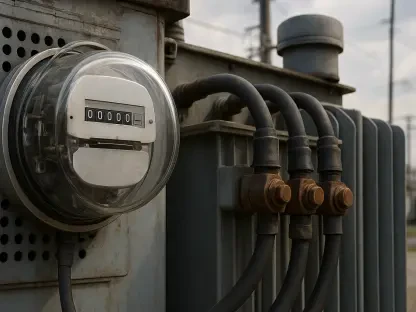
This move toward radical transparency targets the “black box” nature of utility billing that has caused a great deal of public frustration for a long time. By the start of 2027, the state will be required to publish a comprehensive report that dissects every line item, referencing the total amounts collected throughout 2025. This isn’t just about showing a price; it’s about identifying the specific statutory authority behind every fee and naming the entity that actually receives the money. When households can see exactly which services their dollars are supporting, it shifts the power dynamic, creating a level of accountability that has been missing. It forces utilities to justify their costs not just to regulators in closed-door sessions, but to the everyday people who are opening these envelopes every month.
In an era of deep political division, what does the rare bipartisan consensus between progressive leaders and Republican lawmakers in Illinois suggest about the current state of energy costs?
It tells us that the rising cost of energy has become such a significant pain point for voters that it has effectively bypassed traditional partisan gridlock. When you have Republican representatives like Dave Severin working alongside a progressive governor like JB Pritzker, it’s a clear signal that energy affordability is now viewed as a core survival issue for constituents rather than an ideological one. The public anger over rising bills has reached a point where lawmakers across the spectrum realize they must take visible, concrete steps toward consumer protection. This alignment suggests that we are entering a phase where pragmatic, pocketbook-focused energy policy might take precedence over the more contentious debates we often see regarding the source of power. It’s a survival tactic for politicians as much as it is a relief measure for the public.
The expansion of financial assistance through HB 4456 introduces some very specific changes to eligibility and funding; what are the most critical implications of these new rules for the average family?
The most immediate impact is the significant widening of the safety net, as the law increases the eligibility ceiling from 200% up to 300% of the federal poverty level. This brings a much larger segment of the “working poor” into the fold, providing them with discounts that now apply to the entire bill rather than just a few specific charges. What is particularly interesting from a policy standpoint is the funding mechanism, which moves away from usage-based fees to a fixed monthly charge. Starting in 2027, customers will see a base energy assistance charge of either 80 cents or 40 cents depending on the size of their utility. This provides a predictable, steady stream of funding for assistance programs that doesn’t fluctuate based on how much energy people use during a heatwave or a cold snap.
With the introduction of SB 3273, public schools are now given an expedited path to solar interconnection; how does this change the logistical landscape for renewable energy projects on public land?
For years, many school districts were hesitant to pull the trigger on solar because they were stuck in the same bureaucratic interconnection queues as massive industrial projects, leading to years of delays and rising costs. By creating a fast track for projects on school property, the state is essentially removing the red tape that made these green investments a gamble. This allows schools to capitalize on their large roof footprints and start generating their own power much sooner, which translates to immediate operational savings that can be redirected back into the classroom. It turns public schools into local anchors for renewable energy, proving that clean power can be a fiscally responsible choice for local taxpayers when the regulatory hurdles are lowered.
The state has recently expanded its authority to issue siting certificates for energy infrastructure when local governments fail to act; what does this mean for the future of grid modernization?
HB 1700 is a powerful tool designed to prevent essential infrastructure projects from being indefinitely stalled by local zoning disputes or administrative inaction. By allowing the Illinois Commerce Commission to step in when a local government hasn’t adopted compliant ordinances or has simply declined to move forward, the state is prioritizing regional grid reliability over local pushback. This is a controversial but often necessary step for building the high-voltage transmission lines and storage facilities needed for a modern grid. While it certainly creates a more efficient path for developers, it also places a heavy responsibility on state officials to ensure that the voices of local communities aren’t completely drowned out in the name of progress. It is a clear move toward a “state-first” approach to energy planning that we are seeing gain traction across the country.
What is your forecast for the Illinois energy market over the next few years as these laws take full effect?
I anticipate a period of “radical clarity” where the relationship between the consumer and the utility will be tested like never before. As the 2027 reports become public, the transparency will likely fuel more intense debates over rate hikes, as every fee will be laid bare for public scrutiny. We will likely see a surge in public-sector solar development now that schools have an easier path, and the expansion of the low-income assistance threshold to 300% of the poverty level will provide a much-needed buffer against market volatility. However, the true test will be whether the state’s new siting authority can successfully accelerate infrastructure projects without creating a backlash in rural and local communities. Ultimately, Illinois is positioning itself as a laboratory for balancing aggressive social equity goals with the cold, hard requirements of building a reliable, 21st-century power grid.