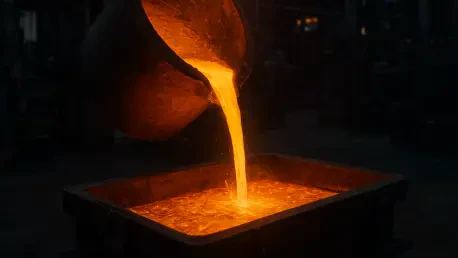

A Strategic Move Toward Global Circularity
The global industrial landscape is undergoing a fundamental transformation where the value of a metal is increasingly measured by its carbon footprint rather than just its purity or physical strength. Emirates Global Aluminium (EGA), the largest industrial company in the United Arab Emirates outside the oil and gas sector, has officially finalized its acquisition of an 80 percent controlling stake in Eco Green. Based in Villafranca di Verona, Italy, Eco Green is a specialized producer of recycled-content aluminum that now serves as a central component of EGA’s strategic roadmap. This acquisition represents a significant milestone in efforts to diversify production capabilities and solidify a permanent presence in the global circular economy.
The deal successfully navigated all necessary regulatory hurdles and closing conditions, marking a new chapter for the Italian firm. Rebranded as EGA Eco Green, the company will now serve as a vital pillar in EGA’s expanding European operations, bridging the gap between Middle Eastern primary production and European secondary markets. This integration ensures that the firm can provide a comprehensive suite of aluminum products, ranging from high-purity primary metal to high-quality recycled alloys, meeting the diverse needs of a modern manufacturing sector.
The Evolution of EGThe Recycled Metal Landscape
To understand the significance of this acquisition, one must look at the shifting priorities of the global metal industry over the last few years. Historically, EGA built its reputation as a powerhouse in primary aluminum production, utilizing massive smelting operations. However, as global climate goals intensify, the industry is witnessing a massive pivot toward “green” aluminum produced with minimal carbon emissions. This background of increasing environmental scrutiny has forced major players to seek out foundational assets in the recycling sector to remain competitive.
By acquiring a majority stake in a company established by the Scappini family in 1993, EGA is not just buying equipment; it is acquiring three decades of localized expertise and established scrap supply chains. This move mirrors EGA’s 2024 acquisition of Spectro Alloys in the United States, illustrating a consistent global strategy to secure a foothold in regions where sustainability is a primary driver of industrial policy. These foundational steps allow the company to adapt to a world where raw material security and environmental compliance are inextricably linked.
Strengthening the Global Supply Chain: Recycled Capacity
Scaling Secondary Production for Global Demand
The integration of Eco Green’s operations has effectively propelled EGA’s total global aluminum recycling capacity to over 400,000 metric tons per year. This capacity is strategically distributed across the UAE, the United States, Germany, and now Italy. The acquisition allows EGA to meet the rising demand for low-carbon metals by leveraging specialized facilities that focus on high-efficiency recovery. With an additional 200,000 metric tons of recycling capacity currently under development from 2026 to 2028, the company is positioning itself to be a leading supplier of secondary aluminum. This scale provides a necessary buffer against market volatility and ensures a steady supply of recycled-content metal to international clients who are under pressure to lower their scope 3 emissions.
Operational Footprint: Italian Industrial Synergy
Eco Green’s presence in northeast Italy offers a sophisticated logistics and processing hub that handles approximately 70,000 metric tons of material annually. The Villafranca di Verona site serves as a critical collection and sorting center, while the casting plant in Nogara di Verona currently produces 20,000 metric tons of aluminum per year. Expansion plans are already in motion to double the Nogara facility’s output by the end of 2026. This operational synergy combines Italian technical proficiency with substantial capital resources, creating a more robust production cycle. Such investments benefit the local economy through job creation and infrastructure development while serving the broader European industrial base with localized production.
Navigating the Shift Toward a Circular Economy
The acquisition is a direct response to a fundamental shift in market dynamics: industry analysts project that by 2040, nearly half of all global aluminum demand will be met by recycled metal. This trend is particularly aggressive in Europe, where the automotive, packaging, and construction sectors are moving away from carbon-intensive primary metals. By controlling a secondary producer, EGA can now offer a “premium aluminum” portfolio that blends high-purity primary metal with sustainable, recycled products. This dual-track approach addresses the misconception that primary and secondary production are mutually exclusive, proving instead that they are complementary components of a resilient metal supply chain.
Future Trends: The Evolution of Sustainable Metallurgy
The future of the aluminum industry will be defined by decarbonization and the regionalization of supply chains. Industrial markets are likely to see more aggressive regulatory frameworks, such as carbon border adjustments, which will make locally recycled aluminum even more valuable than imported primary metal. EGA’s move into Italy is a precursor to a future where aluminum producers must be as proficient in scrap management as they are in smelting. Technological innovations in scrap sorting and dross processing will likely become the next frontier, as companies seek to maximize the purity and value of every ton of recycled material. As secondary aluminum demand is expected to double over the next two decades, those who own the recycling infrastructure will hold a significant competitive advantage.
Strategic Takeaways: Guidance for Industry Stakeholders
The acquisition of Eco Green provides several actionable insights for businesses navigating the green transition. First, securing the supply chain is paramount; owning the source of scrap metal is as vital as owning the furnace in a circular economy. Second, maintaining local leadership—as seen with the Scappini family retaining a 20 percent stake—ensures that cultural and market-specific knowledge is preserved during international scaling. For manufacturers, the takeaway is clear: the availability of high-quality, recycled-content aluminum is increasing, but partnership with diversified suppliers will be necessary to meet long-term sustainability targets. Companies should begin auditing their supply chains now to prioritize vendors who provide documented, low-carbon metal solutions.
A New ErThe Future of Premium Aluminum
EGA’s acquisition of a majority stake in Eco Green Aluminum marked a definitive turn toward a sustainable and geographically diverse business model. By combining the strengths of an Italian recycling veteran with the global reach of a UAE industrial giant, the deal secured a vital role in the European circular economy. The expansion of the Nogara facility stood as a testament to the long-term significance of recycled metal in the global industrial landscape. Strategic actors recognized that the integration of localized scrap networks was no longer optional for those seeking to lead the market. Ultimately, this move ensured that the industry remained prepared to meet the ecological and economic demands of a decarbonizing world.