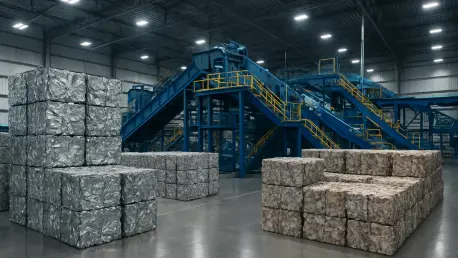

The density of recycled aluminum bales at the Pembroke Pines plant serves as a physical reminder of the logistical rigor required to manage regional waste. Recently, a diverse group of stakeholders and residents from the Florida Keys toured the Waste Management Recycling South Florida facility to observe the intersection of high-tech processing and community habits. This $90 million facility stands as the largest of its kind in the state, serving as a critical infrastructure hub for five separate counties. Spanning an area equivalent to two football fields, the plant processes over 200,000 tons of material annually with immense logistical precision. During the tour, participants watched as Monroe County’s discarded materials were mechanically sorted and prepared for daily shipment. The visit highlighted a fundamental truth of modern sustainability: recycling is a massive industrial operation that starts at the household level and ends in the complex fluctuations of the global commodity market.
Understanding the Machinery of Sustainability
Transforming Raw Waste: From Bins to Marketable Commodities
Processing over 200,000 tons of material annually requires an immense level of logistical coordination and mechanical endurance. At the heart of the Pembroke Pines operation is a sophisticated network of conveyor belts and high-speed sorting machines that work in unison to categorize commingled waste into distinct streams. The sheer scale of the facility allows it to handle the massive influx of materials generated by the regional population, yet the process is far more complex than simple sorting. Each item must be identified, separated, and prepared for its next life as a raw material. This industrial ballet is governed by the principles of density and uniformity, ensuring that what was once considered trash can be sold as a standardized product. The transition from a loose collection of household items to a tightly packed, marketable bale represents the pinnacle of modern waste management engineering. Without this rigorous mechanical intervention, the goal of reducing landfill reliance would remain unachievable.
A central part of this industrial process is the extreme compaction of sorted materials into dense, heavy units known as bales. For items like aluminum cans, this crushing process is not merely about saving space but about making the entire recycling lifecycle economically viable. Without high-density baling, the costs associated with transporting and storing lightweight materials would quickly outpace their market value. These bales represent the final stage of the facility’s onsite work, turning loose waste into a standardized commodity that can be shipped to global markets. The logistical precision required to manage these loads ensures that the facility operates at peak efficiency, moving thousands of tons of material every week. This focus on density and uniformity serves as a bridge between local disposal habits and the industrial requirements of manufacturers worldwide. It demonstrates that the success of the system depends on viewing recycling as a logistical challenge that requires both sophisticated engineering and consistent material quality.
Material Purity: The Foundation of Recycling Efficiency
One of the primary challenges identified during the facility tour was the critical necessity for material cleanliness. Shiraz Kashar, a sustainability specialist at Waste Management, pointed out that even minor amounts of food residue or leftover liquids can jeopardize an entire load of recyclables. Contamination from organic waste or unrinsed containers can significantly reduce the market value of the processed materials or, in some cases, make them entirely unprocessable. When liquids leak onto paper or cardboard, they weaken the fibers and render the material useless for high-quality paper production. This reality places a direct responsibility on the resident to ensure that every item placed in a bin is empty, clean, and dry. The facility is equipped to sort materials, but it cannot effectively wash the waste it receives. Consequently, the quality of the end product is almost entirely dependent on the initial behavior of the individual consumer who first handles the discarded packaging in their own home.
Residents are also encouraged to develop more nuanced habits when it comes to specific types of plastic packaging. Keeping caps on plastic bottles, for instance, ensures that these smaller components are captured by the sorting machinery rather than falling through the gaps in the conveyor system. Furthermore, understanding the technical differences between clear plastic clamshells and plant-based PLA plastics is essential for maintaining stream purity. While PLA plastics are often marketed as eco-friendly, they are made from corn or other plant materials and can contaminate traditional petroleum-based plastic streams. If these materials are mixed together, the resulting recycled plastic loses its structural integrity, making it less attractive to manufacturers who require specific chemical compositions. By taking the time to rinse containers and distinguish between different plastic types, residents provide the high-quality input necessary for the plant to function. This level of attention to detail at the source is what ultimately determines recycling success.
Combatting the Dangers of Mismanaged Waste
Safety Protocols: Addressing Wish-Cycling and Facility Hazards
A significant hurdle for facility safety and operational efficiency is the practice of wish-cycling, which occurs when well-intentioned residents place non-recyclable items into bins in the hope they will be repurposed. This behavior often leads to the introduction of hazardous materials like electronics and lithium-ion batteries into the sorting stream. These items pose a severe threat, as they are a leading cause of fires in collection trucks and processing facilities. When a battery is crushed by a baler or caught in a sorting machine, it can ignite, endangering workers and potentially causing millions of dollars in damage to the infrastructure. To manage these persistent risks, the Pembroke Pines plant utilizes 24/7 thermal camera monitoring to detect heat signatures and potential fire hazards before they escalate. Residents must recognize that their desire to be environmentally conscious can inadvertently create dangerous working conditions if they do not strictly adhere to the guidelines regarding what is truly recyclable.
Beyond batteries and electronics, other common household items like fluorescent bulbs, motor oil, and certain chemicals require specialized handling that goes beyond the capabilities of a standard recycling facility. These hazardous materials should never be placed in curbside bins, as they can leak and contaminate the entire stream of clean recyclables, making them unsafe to process. Instead, residents are directed to utilize specialized local transfer stations that are equipped to manage toxic or volatile substances. In Monroe County, these stations provide a safe and regulated environment for the disposal of items that would otherwise disrupt the industrial recycling process. The tour emphasized that while the Pembroke Pines plant is highly advanced, it is not a catch-all solution for every type of discarded material. Maintaining a clear distinction between common recyclables and hazardous waste is essential for the safety of the facility and the long-term success of regional sustainability efforts. Proper disposal at a dedicated site ensures that materials are neutralized.
Economic Growth: Driving the Circular Economy through Brand Integration
While national statistics suggest that only about 30% of plastic water bottles are currently recycled, the demand for high-quality post-consumer material continues to grow among major global brands. Companies such as Nike, Rothy’s, and Mohawk have successfully integrated recycled plastics into their supply chains, transforming discarded bottles into high-end footwear and durable carpeting. This industrial demand creates a direct economic incentive for improving the quality of municipal recycling programs. When residents provide clean, well-sorted materials, they are essentially providing the raw feedstock that fuels the circular economy. This process reduces the environmental impact of manufacturing by decreasing the need for virgin plastics and other raw materials. The economic viability of these recycling programs is intrinsically linked to the ability of processing facilities to deliver a product that meets the stringent quality standards of modern manufacturing. By aligning consumer behavior with corporate sustainability goals, the regional recycling system becomes a vital part of the global economy.
The regional transition to single-stream recycling improved collection efficiency but required a significant increase in public education to address the 21% contamination rate observed in Monroe County. Stakeholders recognized that the convenience of a single bin placed a greater burden on the individual to manage the quality of the stream. In response, local programs were adjusted to emphasize clear disposal guidelines and the use of dedicated transfer stations for hazardous materials. These educational efforts aimed to reduce the volume of rejected waste and increase the overall yield of the Pembroke Pines facility. By the end of the assessment, it was evident that the synergy between advanced technology and informed resident behavior was the most effective way to sustain the program. Moving forward, the focus remained on refining the sorting process and strengthening the connection between household actions and industrial outcomes. This collaborative approach ensured that the materials collected from local communities were successfully repurposed, providing a sustainable foundation for the regional waste management system.