
The sudden realization that local tap water exceeds federal safety limits often triggers immediate alarm, but for the residents of Rosemount, the situation requires a more nuanced understanding of geological history and infrastructure management. State regulators recently flagged the city for elevated levels of “gross alpha” radiation, a discovery that has pushed public health to the forefront of local governance and engineering discussions. At the heart of the controversy is a reading of 16.3 picocuries per liter, a figure that edges past the federal maximum contaminant level of 15. This violation serves as a catalyst for a comprehensive reevaluation of how the municipality sources and treats its water. Rather than a localized failure, this development reflects broader shifts in regional groundwater conditions that demand both immediate operational adjustments and significant long-term capital investments. City leaders and engineers are now tasked with navigating a complex path that balances public safety with economic feasibility and sustainable growth.
Natural Origins: The Geological Context of Contamination
To understand the current dilemma, it is essential to recognize that the radioactive elements found in the water supply are not the result of industrial mishaps or human negligence. Gross alpha and radium are naturally occurring minerals that leach into the groundwater from the surrounding bedrock of the Jordan aquifer. This vast underground reservoir serves much of central and southern Minnesota, and the erosion of these elements into the water table is a process that has occurred for millennia. Recent shifts in regional groundwater flow and chemistry have caused these levels to fluctuate, leading several municipalities across the state to experience similar spikes in contaminant concentrations. For Rosemount, this means the problem is environmental rather than operational. The state health department classifies these materials as chronic contaminants, which suggests that the primary risk comes from consistent consumption over several decades. This classification allows for a deliberate planning process rather than an emergency shutdown.
Because the risk associated with gross alpha radiation is cumulative, regulatory compliance is measured using a running annual average rather than a single point-in-time snapshot. This methodology provides the city with a window of opportunity to implement strategic interventions without causing immediate disruption to the water supply. Engineers have observed that the concentrations of these minerals can vary significantly depending on which wells are active and how the water is moving through the geological strata at any given time. Public health experts emphasize that while the legal limit is a strict threshold, the difference between 15 and 16.3 picocuries per liter does not represent an acute danger to the community. However, the presence of these materials necessitates a transparent communication strategy to ensure that residents are aware of the long-term implications. The focus remains on identifying the specific geological factors that have led to the recent increase, allowing the city to target its mitigation efforts more effectively within the aquifer’s complex structure.
Distribution Dynamics: The Intricacies of the Rosemount Network
The water system in Rosemount is a sophisticated infrastructure network comprising over 160 miles of distribution pipes fed by nine primary wells. This interconnected web ensures that water from different sources is continuously blended as it travels toward residential homes, commercial businesses, and storage towers. One of the unique aspects of this system is that it does not isolate specific neighborhoods to specific wells; instead, it provides a relatively uniform mixture of water to the entire population. This distribution model is beneficial for mitigating the impact of a single high-contaminant well, as the concentration is naturally diluted by cleaner water from other parts of the network. However, it also means that any systemic increase in radiation levels affects the city’s overall compliance record. Public works officials monitor this blending process closely, utilizing real-time data to understand how water moves through the grid and where the highest concentrations of naturally occurring radioactive materials are likely to enter the supply.
Operational management of the well field is further complicated by seasonal fluctuations in water demand, particularly during the summer months when irrigation needs skyrocket. During peak periods, the city must activate nearly all of its nine wells to maintain adequate pressure and volume for both daily use and fire suppression. This high demand often forces the inclusion of Well No. 8, which has been identified as a significant contributor to the elevated gross alpha readings. Balancing the need for water quantity with the requirement for water quality is a delicate act that requires precise control over well cycling schedules. When demand is lower, the city can afford to keep problematic wells offline or utilize them sparingly, but as the population grows, the margin for error narrows. The city’s current strategy involves optimizing these cycles to minimize the runtime of wells with higher radiation levels. This tactical approach serves as a stopgap measure while the city evaluates more permanent infrastructure upgrades that could handle higher volumes safely.
Strategic Interventions: Evaluating Engineering and Financial Options
To achieve a permanent resolution to the contamination issue, the city is currently evaluating three distinct tiers of engineering intervention. The most immediate and least expensive option involves refining operational protocols to strictly limit the use of high-risk wells to emergency scenarios only. This non-structural approach relies on the existing capacity of the cleaner wells to meet the city’s needs for the majority of the year. While this method requires minimal capital investment, it places a heavy burden on the remaining infrastructure and may not be sustainable as Rosemount’s residential and industrial footprint expands. If the demand continues to rise, relying solely on operational shifts could lead to supply shortages or a lack of redundancy during critical events. Therefore, engineers are looking toward more robust solutions that provide long-term reliability. This initial phase of planning is crucial for determining how much capacity the city can safely maintain before more costly infrastructure improvements become necessary.
A more substantial middle-ground solution involves a capital investment of approximately $2 million to construct dedicated blending infrastructure. This project would involve laying new pipelines and installing control systems to ensure that water from high-contaminant wells is physically mixed with water from cleaner sources before it enters the main distribution network. By mathematically ensuring that the resulting mixture remains well below the federal threshold of 15 picocuries per liter, the city could continue to utilize its full well capacity without violating safety standards. This approach offers a cost-effective way to maximize the lifespan of existing assets while providing a higher degree of safety than operational changes alone. However, blending is a management strategy rather than a removal strategy. It does not eliminate the radioactive minerals from the system but merely spreads them out more thin. As regulatory standards potentially tighten or as environmental conditions shift, the city may find that blending is no longer a viable long-term solution.
Advanced Mitigation: The Potential for a New Treatment Facility
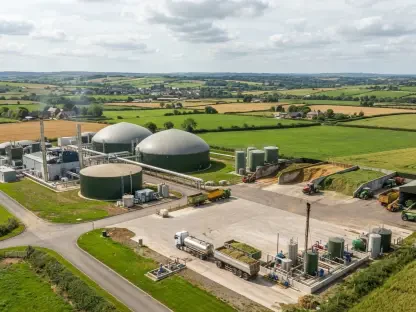
The most aggressive and technically complex option on the table is the construction of a $40 million water treatment plant specifically designed to remove radioactive minerals. Such a facility would utilize specialized filtration or ion-exchange technology to strip gross alpha and radium from the water before it is sent to consumers. This solution represents the gold standard for public health protection, as it physically removes the contaminants rather than simply diluting them. However, the high price tag presents a significant challenge for local taxpayers and city planners. Furthermore, a single treatment plant would likely only handle water from a subset of the city’s wells, meaning that additional facilities or extensive new piping would be required to treat the entire supply. The financial implications are profound, especially when considering the potential for future regulations regarding emerging contaminants like PFAS, which might require additional treatment modules. Decisions made now will dictate the financial and operational landscape for decades.
Beyond the immediate radioactive concerns, the city must also account for the impact of large-scale industrial developments, such as the recently established Meta data center. While residents have expressed anxiety that these massive facilities could strain the water supply and worsen contamination, current data indicates that their water usage is relatively modest compared to the city’s total capacity. The data center functions much like a standard industrial user, and its presence does not significantly alter the city’s ability to manage its well field. In fact, the tax revenue and infrastructure contributions from such large-scale projects could potentially provide the funding necessary for advanced treatment solutions. The challenge lies in integrating these high-demand users into a holistic water management plan that prioritizes the health of the Jordan aquifer. By leveraging industrial growth to subsidize municipal improvements, Rosemount could find a sustainable way to fund a treatment facility without placing an undue burden on residential utility rates.
Moving Forward: Actionable Strategies for Water Security
The initial response to the gross alpha violation focused on stabilizing the system and providing clear information to the public regarding long-term health risks. City council members and engineering consultants collaborated to prioritize immediate operational adjustments that reduced the runtime of high-risk wells. This proactive stance allowed the municipality to remain within the safety margins while evaluating more permanent infrastructure projects. To move forward, the city established a clear timeline to finalize a master water plan that integrated both blending and treatment options. Actionable steps included commissioning a detailed hydrogeological study to predict future contaminant trends in the Jordan aquifer and seeking state-level funding to offset the costs of a new treatment plant. By diversifying its approach and engaging in regional water security discussions, Rosemount prepared itself for a future where water quality standards became increasingly stringent. These efforts ensured that the city’s infrastructure remained resilient, effectively addressing both naturally occurring hazards and the demands of a growing population.