
The integration of the New England Clean Energy Connect into the regional power grid marks a definitive shift in how the Northeast manages its long-term environmental obligations and energy security requirements. This massive high-voltage direct current line, stretching from the Canadian border through the woods of Maine, represents the culmination of a decade-long struggle to bring large-scale hydropower to one of the most fossil-fuel-dependent regions in the United States. While the activation of the line in early 2026 was celebrated as a victory for climate advocates, the actual implementation has revealed the intricate difficulties of balancing immediate power needs with lofty decarbonization goals. As states like Massachusetts push toward aggressive net-zero targets, the reliance on northern resources highlights both the potential and the fragility of cross-border energy partnerships. This infrastructure is not merely a set of wires but a test of whether the regional grid can truly transition away from traditional gas plants.
Establishing a Regional Clean Energy Framework
Legal Mandates: Building the Regulatory Foundation
The legislative foundation for this monumental project dates back to a significant 2016 mandate in Massachusetts which compelled local utility companies to secure long-term contracts for clean energy resources. This policy was designed to diversify the state’s energy portfolio, which had become increasingly concentrated in natural gas following the closure of several nuclear and coal-fired plants. By establishing a framework for importing approximately 1,200 megawatts of hydropower, the state aimed to fulfill roughly twenty percent of its total annual electricity demand through a single, consistent source. This baseload power is viewed as the “holy grail” of renewable energy because, unlike solar or wind, it does not depend on specific weather conditions to generate electricity on a minute-to-minute basis. The shift toward Canadian hydro was therefore seen as a necessary strategic move to ensure that the lights stay on even as the region aggressively decommissions its older, high-emission thermal generators.
Transitioning a regional grid that has historically relied on the immediate flexibility of natural gas requires more than just adding intermittent renewables like offshore wind. The New England Clean Energy Connect offers a stabilizing force by providing a continuous flow of electricity that can be adjusted to meet peak demand periods throughout the year. For policymakers, the project represents a physical manifestation of their commitment to the Paris Agreement and local environmental statutes that require drastic reductions in greenhouse gas emissions. Beyond the immediate carbon benefits, the project was also marketed as a way to lower electricity prices by introducing a low-marginal-cost competitor into the regional wholesale market. By saturating the grid with hydropower, the states hoped to suppress the price spikes that typically occur during extreme winter cold snaps when natural gas supplies are diverted for home heating. This dual focus on emissions and economics created a powerful incentive for the completion of the project.
Initial Operations: Technical Challenges and Successes
Since the official commissioning of the line earlier this year, the transmission system has successfully moved over two terawatt-hours of electricity into the New England market. However, this impressive volume of energy has been periodically interrupted by a series of technical malfunctions that have tested the patience of grid operators and the public alike. During the first few months of operation, the line experienced an unexpected month-long outage necessitated by complex synchronization issues between the Canadian high-voltage direct current system and the American alternating current grid. These “teething problems” are somewhat common in massive infrastructure projects of this magnitude, yet they have raised valid concerns about the immediate reliability of the connection. Engineers have been working around the clock to fine-tune the inverter stations in Maine to ensure that the sudden influx of power does not destabilize the local distribution networks. These early failures serve as a sobering reminder that massive engineering feats are rarely seamless.
Another point of contention among energy analysts involves the “net flow” of electricity and whether the new line is actually providing supplemental power or merely rerouting existing supplies. Before the completion of the New England Clean Energy Connect, the region already imported significant amounts of hydropower through an older transmission corridor known as Phase 2. Since the new connection became active, data from the regional grid operator suggests that traffic on the older line has decreased significantly, indicating that Hydro-Québec may be shifting its current exports from one path to another. If the total volume of imported energy does not increase proportionally to the new line’s capacity, the environmental benefits may be less substantial than originally forecasted by the project’s proponents. This redirection of power underscores the complexity of managing a cross-border energy market where supply is limited by the total generating capacity of Canadian reservoirs rather than just the number of transmission lines.
Navigating Environmental Risks and Economic Viability
Resource Variability: Environmental Impacts on Supply
The long-term reliability of the hydropower supply is becoming increasingly tied to environmental factors that were once considered secondary concerns. Specifically, changing weather patterns have led to more frequent and severe droughts in the northern regions of Quebec, which directly impact the water levels in the massive reservoirs used to generate electricity. When these water levels drop below certain thresholds, Hydro-Québec is contractually and ethically obligated to prioritize its domestic customers in Canada before exporting any surplus to the United States. This vulnerability highlights a significant risk in the New England energy strategy, as the region is essentially tethered to the hydrologic cycles of a different country. If a multi-year drought were to occur, the “steady” stream of renewable energy promised to Massachusetts could dwindle, leaving the region searching for alternative sources at short notice. This reliance on a single environmental variable introduces a layer of volatility that mirrors the fossil fuel markets.
These scarcity concerns became a reality earlier this year when a surprising reversal occurred, leading New England to actually export power northward to Canada. Because Hydro-Québec was managing its own internal shortages due to low reservoir levels, the transmission line operated in reverse to help stabilize the Canadian grid during a period of peak demand. The irony of this situation was not lost on critics, as the electricity being sent north was largely generated by New England’s existing fleet of natural gas-fired power plants. This dynamic complicates the narrative of a “clean energy corridor,” as the infrastructure can just as easily carry fossil-fuel-generated power in either direction depending on market conditions and resource availability. This two-way capability is technically beneficial for overall grid resilience, but it serves as a stark reminder that transmission lines are neutral tools. The presence of the line does not guarantee that only clean energy will be moved, especially when the broader regional ecosystem is still struggling.
Economic Safeguards: Protecting Regional Consumers
To mitigate the financial impact of potential energy shortfalls, the contracts governing the project include robust “liquidated damages” clauses that protect American consumers. Under these agreements, if Hydro-Québec fails to deliver the minimum threshold of energy required by the contract, the utility must pay financial penalties to the distribution companies in Massachusetts. These payments are intended to offset the cost of purchasing more expensive replacement power from the spot market, effectively insulating ratepayers from the price volatility associated with hydro shortages. While these economic safeguards are a vital component of the project’s structure, they do not address the underlying environmental consequences of a supply gap. If the hydro line is underutilized, the regional grid operator has little choice but to fire up older, less efficient natural gas or oil plants to maintain the load balance. Consequently, the financial protection offered to consumers acts as a temporary fix for a much larger systemic problem regarding the physical availability of carbon-free generation.
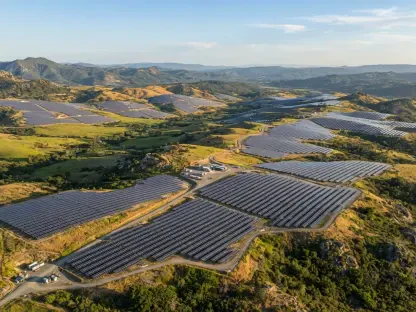
Despite the early operational challenges, there have been periods of exceptional performance that demonstrate the transformative potential of the high-capacity connection. For instance, a period in mid-May saw the hydro line operating at its maximum rated capacity precisely when local solar production across New England reached record levels. During these specific hours, the combination of imported hydropower and domestic solar generation allowed the use of natural gas for electricity production to plummet to historic lows. This scenario provides a blueprint for a future grid where high-capacity links serve as the “backbone” that supports a diverse array of local renewable resources. When the various parts of the energy ecosystem align, the region can effectively operate almost entirely on carbon-free power, significantly reducing the hourly emissions profile of the entire Northeast. These moments of peak efficiency offer a glimpse of what is possible as the grid continues to evolve and as operators become more proficient at managing the interplay between different green energy sources.
Strategic Lessons for Regional Grid Integration
The early operational history of the New England Clean Energy Connect demonstrated that establishing a carbon-free power grid required more than just the completion of physical infrastructure. While the project provided a vital link to renewable resources, the initial setbacks revealed that regional energy security depended on a more diversified strategy than a single transmission line could offer. To maximize the value of this investment, stakeholders realized they had to accelerate the deployment of local energy storage systems and enhance the flexibility of the regional distribution network. Improving the coordination between Canadian hydro operators and American grid managers became a top priority to ensure that supply fluctuations were managed proactively rather than reactively. Furthermore, the integration of advanced weather forecasting and AI-driven grid management tools emerged as essential solutions for navigating the complexities of reservoir management and reverse power flows. These efforts helped solidify the grid’s long-term health.