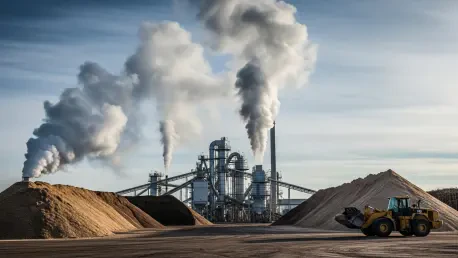

Mississippi’s landscape is changing rapidly as massive industrial facilities rise to convert the state’s lush forests into small, compressed cylinders of fuel destined for international power plants. These operations, spearheaded by global giants like Drax and Enviva, are presented to the public as a crucial component of the global transition away from coal and toward renewable energy sources. This “green” narrative suggests that wood pellets are a sustainable solution to the climate crisis, providing a low-carbon alternative that supports both the environment and the economy. However, as these facilities expand across the South, a growing chorus of scientists, health professionals, and local advocates is questioning the validity of these claims. The industrialization of Mississippi’s timberlands involves complex supply chains that begin with the clear-cut harvesting of natural forests and end with the combustion of wood in overseas boilers, a process that carries significant ecological and social consequences often ignored by stakeholders.
The Scientific Reality: Carbon Emissions and Climate Impact
The False Promise: Analyzing Carbon Neutrality Claims
The concept of carbon neutrality in the wood pellet industry relies on the premise that trees regrow, eventually reabsorbing the carbon dioxide released during combustion. Yet, rigorous scientific analysis often reveals a much darker picture, showing that burning wood actually emits more carbon dioxide per unit of energy produced than coal itself. When a tree is burned, it releases its entire lifetime of stored carbon instantly, creating a massive atmospheric spike that cannot be offset by the slow growth of a replacement sapling. This phenomenon, known as the carbon debt, represents a critical lag period that the planet cannot afford during an era of accelerating climate change. Researchers argue that by the time these new plantations absorb the emissions from today’s pellet production, the damage to the global climate may already be irreversible. This timing mismatch fundamentally undermines the argument that woody biomass is a bridge to a zero-emissions future, as it prioritizes long-term growth over immediate reductions.
Furthermore, the destruction of mature, intact forests to feed these pellet mills eliminates one of the most effective natural tools for carbon sequestration available. Unlike young pine plantations, old-growth and mature secondary forests possess complex soil systems and dense canopies that store vast amounts of carbon for centuries without human intervention. When these ecosystems are replaced by industrial monocultures, the overall carbon-carrying capacity of the land is drastically reduced, even if the total number of trees remains stable or increases. The process of harvesting, chipping, drying, and shipping these materials across the Atlantic further adds to the carbon footprint, utilizing heavy machinery and fossil-fuel-powered vessels. Consequently, the net impact of the industry is often a net increase in atmospheric greenhouse gases, rather than the reduction promised by proponents. This reality forces a reevaluation of international energy policies that currently treat forest biomass as a renewable resource on par with solar or wind power.
Atmospheric Impact: The Long-Term Carbon Debt
Beyond the immediate release of gases, the industrial processing of wood pellets requires immense energy inputs that further compromise the industry’s environmental standing. Facilities must dry the raw timber to specific moisture levels using massive furnaces, which often burn wood waste or fossil fuels, contributing additional emissions to the local atmosphere. This energy-intensive refinement process is necessary to create a high-density product that can be shipped efficiently, yet it subtracts significantly from the net energy gain of the fuel itself. Scientists tracking the full lifecycle of wood pellets have noted that the “emissions parity” with coal—the point at which biomass finally becomes cleaner than the fossil fuel it replaced—can take anywhere from forty to one hundred years to achieve. In a world where immediate emission cuts are required to meet international climate targets, waiting nearly a century for a carbon benefit is a gamble that many environmental experts are no longer willing to take.
Moreover, the conversion of diverse forests into managed timber stands disrupts the natural soil carbon pools that are often overlooked in standard emission models. Scientific studies have shown that clear-cutting operations disturb the soil to such an extent that significant amounts of stored carbon are released directly into the atmosphere through decomposition and erosion. This secondary source of emissions is rarely accounted for in the industry’s promotional materials, yet it represents a substantial portion of the total climate impact associated with wood pellet production. As Mississippi continues to serve as a primary source for the global biomass market, the cumulative loss of soil integrity and forest biomass creates a regional carbon deficit that may never be fully recovered. The persistence of this carbon debt suggests that the “green” label applied to wood pellets is more of a marketing strategy than a scientific reality, masking a process that may actually be accelerating the very climate crisis it claims to solve.
Public Health Risks: Environmental Injustice and Local Wellness
Respiratory Crisis: The Burden of Fine Particulate Matter
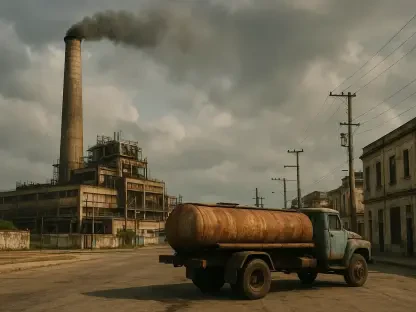
The physical presence of wood pellet plants in small Mississippi towns has introduced a suite of environmental hazards that directly threaten the health of local residents. These facilities operate around the clock, emitting fine particulate matter, known as PM2.5, which is small enough to penetrate deep into the human respiratory system and enter the bloodstream. Alongside these particulates, the drying and processing of wood release volatile organic compounds such as formaldehyde and acetaldehyde, both of which are known carcinogens and respiratory irritants. In towns like Gloster and Lucedale, the constant exposure to these pollutants has been linked to a spike in chronic health conditions, including asthma, bronchitis, and cardiovascular disease. For communities that already face limited access to specialized healthcare, the arrival of a major industrial polluter creates a compounding crisis of wellness that strains local resources and reduces the overall quality of life for thousands.
Personal accounts from residents living in the shadow of these plants paint a harrowing picture of a daily struggle for breath and dignity. In Gloster, for example, health surveys have indicated that a disproportionate number of households must rely on nebulizers and oxygen tanks to manage their respiratory symptoms. Parents express deep concern for their children, who are developing chronic sinus infections and breathing difficulties at rates far exceeding national averages. The psychological toll is equally significant, as community members feel trapped in environments where the very air they breathe is a byproduct of a foreign energy demand. This dynamic highlights a troubling trend of environmental injustice, where industrial facilities are disproportionately sited in low-income areas with the least political power to resist them. Despite local protests and calls for stricter air quality monitoring, many residents feel their concerns are ignored by state regulators who prioritize industrial expansion over the basic human right to clean air.
Community Struggles: The Human Experience in Industrial Zones
The social fabric of these rural towns is further strained by the persistent noise and light pollution that accompany twenty-four-hour industrial operations. Residents describe a constant, low-frequency hum and the screeching of heavy machinery that disrupts sleep and increases stress levels among families living near the plant boundaries. This sensory onslaught, combined with the constant traffic of heavy logging trucks on narrow local roads, has transformed once-quiet residential areas into high-traffic industrial corridors. The degradation of the local environment extends to the visible world, as a fine layer of wood dust often settles on porches, vehicles, and gardens, serving as a constant reminder of the airborne toxins present in the community. For many, the home is no longer a sanctuary but a site of constant exposure to industrial waste, leading to a sense of displacement even for those who have lived in the region for generations.
In addition to the physical and sensory impacts, the economic promise of the industry often fails to translate into improved social outcomes for the local population. While companies tout their presence as a boon for the community, the high rates of illness and the associated medical costs create a financial drain that offsets many of the perceived benefits. Families frequently find themselves choosing between paying for necessary medications and meeting other basic needs, as the health crisis exacerbated by the plants takes a toll on household budgets. This situation creates a cycle of poverty and poor health that is difficult to break, especially when the primary employer in the region is also the primary source of the environmental harm. The resulting sense of abandonment is palpable among citizens who feel that their health is being traded for corporate profits and international energy credits. This disconnect between industrial narratives and the lived reality of Mississippi residents underscores the need for a more equitable approach to energy development.
Economic Realities: Evaluating Employment and Public Subsidies
Labor Disconnect: Automation and the Job Creation Gap
The promise of economic revitalization is the primary lever used by the wood pellet industry to gain favor with state and local governments. Lawmakers often cite job creation as a justification for offering significant tax breaks and direct subsidies to companies, hoping to spark growth in rural areas. However, the reality of employment in these plants frequently falls short of the initial projections, as the facilities are highly automated and require a relatively small number of specialized operators. Since the beginning of the current expansion phase from 2026 to 2028, it has become increasingly clear that for every multi-million dollar subsidy package granted, only a handful of permanent, local jobs are actually created. These positions often require technical skills that local residents may not possess, leading companies to bring in outside labor rather than hiring from within the community. Consequently, the local economic impact is far more modest than the grand announcements suggest.
Beyond the plant walls, the indirect job growth promised by the industry—such as in the logging and transportation sectors—often fails to provide the stable, high-paying careers that rural Mississippi needs. Many of these roles are contract-based or seasonal, offering little in the way of long-term security or benefits for the workers involved. Furthermore, the intensive nature of industrial logging means that once an area is harvested, the crews move on, leaving little lasting economic infrastructure behind. This boom-and-bust cycle can be particularly damaging for small towns that tether their entire economic future to a single industry. Instead of fostering a diverse and resilient local economy, the reliance on wood pellet production can lead to an overdependence on a volatile global market. When international demand shifts or environmental regulations tighten, these communities are left vulnerable to sudden economic downturns that can devastate the local tax base and leave infrastructure in disrepair.
Financial Drain: The True Cost of Corporate Incentives
The massive subsidies provided by the state to attract the wood pellet industry create a substantial burden on the public treasury. When Mississippi grants tens of millions of dollars in tax waivers to global corporations, that revenue is no longer available to fund essential services such as public schools, road maintenance, and emergency response teams. This fiscal drain is compounded by the indirect costs associated with the industry’s presence, such as the accelerated wear and tear on local infrastructure caused by constant heavy truck traffic. Local governments often find themselves footing the bill for road repairs and bridge reinforcements that are necessitated by the heavy loads transported to and from the pellet mills. Furthermore, the decline in local property values near industrial sites reduces the tax base even further, creating a cycle of disinvestment in the very communities that were supposed to benefit from the industrial boom.
Instead of being an economic engine, the wood pellet industry can act as a net drain on local resources, extracting raw materials and public wealth while leaving behind environmental and social liabilities. This “extractive” model of development mirrors historical patterns in the South where natural resources are depleted for outside profit with little long-term benefit for the residents themselves. The opportunity cost of these subsidies is also significant; the millions of dollars handed to multinational energy firms could have been invested in local small businesses, sustainable agriculture, or genuine green energy projects like solar cooperatives. By prioritizing the wood pellet industry, the state may be foreclosing on more diverse and sustainable economic paths that could provide long-term prosperity without the associated health and environmental costs. This fiscal reality challenges the narrative that the industry is a necessary trade-off for economic survival, suggesting instead that the current model may be a losing proposition for the average Mississippi taxpayer.
Ecological Resilience: Biodiversity and Forest Integrity
Habitat Loss: The Impact of Clear-Cutting Natural Forests
The ecological footprint of the wood pellet industry extends far beyond the perimeter of the processing plants, reaching deep into Mississippi’s remaining natural forest tracts. To meet the massive demand for feedstock, logging crews often clear-cut diverse, mature forests that have stood for generations. These ecosystems are not merely collections of trees; they are complex habitats that support a wide array of native wildlife, including migratory birds, rare amphibians, and endemic plant species. When these natural forests are leveled, the loss of biodiversity is immediate and often permanent, as the intricate web of life that existed there cannot survive the transition to an industrial landscape. The removal of the forest canopy also disrupts local water cycles, as mature trees play a vital role in filtering rainwater and preventing soil erosion. Without this natural protection, the surrounding land becomes significantly more susceptible to flooding and runoff, which can contaminate local waterways and damage downstream properties.
In the wake of these clear-cuts, the land is frequently converted into industrial pine plantations, which lack the biological complexity of the original forests. These monocultures are managed like crops, using chemical fertilizers and pesticides to ensure rapid growth for the next harvest cycle. While these plantations may look green, they are “biological deserts” that provide very little food or shelter for native species that depend on a variety of tree ages and types. This shift from natural forests to timber farms fundamentally alters the character of the Mississippi landscape, replacing resilient ecosystems with fragile, human-dependent ones. As the industry continues to expand its reach, the cumulative impact on the state’s biodiversity becomes increasingly severe, threatening the survival of species that were already struggling due to habitat fragmentation. The loss of these natural spaces also means the loss of recreational opportunities and the cultural heritage tied to the land.
Ecosystem Shift: The Vulnerability of Monoculture Plantations
The move toward industrial timber plantations also creates a landscape that is far more vulnerable to pests, diseases, and the impacts of a changing climate. Natural forests possess an inherent resilience due to their genetic and structural diversity; if one species is affected by a blight, others remain to hold the ecosystem together. In contrast, a monoculture of even-aged pines can be decimated by a single insect infestation or a focused weather event, leading to catastrophic losses for both the environment and the landowners. This instability is further exacerbated by the intensive use of chemical inputs required to maintain high growth rates on depleted soils. These chemicals can leach into groundwater and nearby streams, posing a threat to aquatic life and the communities that rely on these water sources for drinking and irrigation. The long-term health of the land is thus sacrificed for short-term industrial efficiency, creating an ecological debt that future generations will have to manage.
Furthermore, the replacement of natural hardwood forests with pine plantations significantly alters the local climate and hydrology. Natural forests are better at maintaining soil moisture and moderating temperatures through their dense, multi-layered canopies. When these are replaced by the thinner, uniform canopy of a pine plantation, the local environment often becomes drier and hotter, which can further stress native flora and fauna. This transformation also reduces the land’s capacity to act as a buffer against extreme weather events, which are becoming more frequent. Instead of providing a robust defense against nature’s unpredictability, these industrial landscapes are often the first to fail, leading to increased economic and ecological instability. The overall trend toward homogenization in Mississippi’s forests represents a profound loss of natural capital, trading the irreplaceable services provided by healthy ecosystems for a low-value commodity that is burned for energy thousands of miles away.
Strategic Alternatives: Path Toward Sustainable Energy Policy
The expansion of the wood pellet industry in Mississippi presented a complex challenge that forced a confrontation between global energy demands and local sustainability. It became clear that the traditional metrics used to define renewable energy failed to account for the immediate carbon emissions and the profound health impacts on marginalized communities. Moving forward, a shift toward a more holistic energy policy appeared necessary, one that prioritized genuine decarbonization through wind and solar while protecting existing carbon sinks. Decision-makers began to realize that true economic growth required investing in local human capital and resilient infrastructure rather than relying on extractive industrial models. Stricter environmental regulations and transparent air quality monitoring became essential tools for ensuring that industrial progress did not come at the cost of public health. By valuing the state’s natural forests as vital ecological assets rather than just timber commodities, Mississippi paved a way toward a more equitable future. This transition underscored the importance of listening to local voices and integrating scientific rigor into every level of environmental policy.