
Navigating the High-Stakes Collision: Environmental Policy and Grid Stability
The current tension between federal environmental mandates and the operational survival of the American power grid has reached a critical juncture as demand for electricity surges to levels previously unseen in the digital age. At the center of this conflict are the 2024 Environmental Protection Agency (EPA) rules designed to drastically curb greenhouse gas emissions from natural gas-fired power plants. While these regulations serve as a cornerstone for federal climate objectives, they have simultaneously ignited a fierce debate regarding the feasibility of maintaining a stable grid. The struggle highlights a fundamental friction between ambitious policy goals and the technical realities faced by non-profit cooperatives responsible for powering much of the nation.
The relevance of this subject cannot be overstated, as the stability of the grid underpins the entire modern economy, from residential heating to massive industrial processing. This article explores how these federal standards interact with the rapid expansion of energy-intensive industries, specifically the rise of data centers and artificial intelligence. By analyzing the current regulatory framework and the industry’s response, it becomes clear that the path toward a cleaner energy future is fraught with technical hurdles that threaten the very reliability consumers take for granted.
The Evolution of Emissions Standards: The Rise of the Capacity Threshold
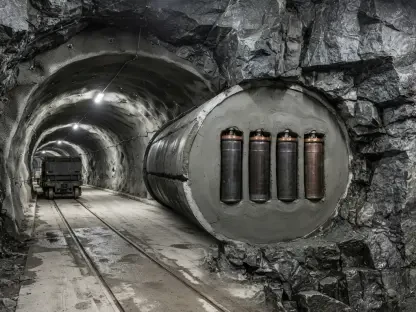
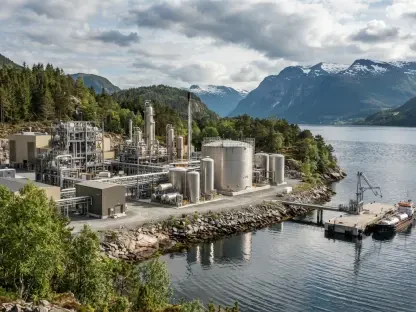
Historically, emissions regulations for the power sector focused on incremental efficiency gains and the gradual adoption of cleaner burning technologies. However, the regulatory landscape shifted significantly with the introduction of the 2024 EPA framework, which moved away from general efficiency and toward a rigid “capacity factor” threshold. This new approach dictates that any natural gas facility operating at more than 40% of its potential output must implement Carbon Capture and Sequestration (CCS) technology. The rule mandates that these plants must capture 90% of their carbon dioxide emissions by 2032, a timeline that many utility providers view as dangerously compressed.
These historical background factors matter because they represent a departure from technology-neutral outcomes. Instead of allowing utilities to find the most cost-effective way to reduce footprints, the current standards mandate specific, high-cost technical solutions. This shift has forced power providers into a difficult position where they must choose between retiring reliable assets or investing in unproven technologies that may not be ready for the rigors of 24/7 baseload generation. Understanding this evolution is essential for grasping why the current tension between regulators and utilities has reached such a fever pitch.
The Industrial Consensus: Technological and Operational Limits
The Gap: Regulatory Mandates and Commercially Viable Solutions
A unified front of electric cooperatives has identified a significant disconnect between what the law requires and what current technology can deliver. While the concept of capturing and storing carbon is scientifically valid, it has not yet achieved the commercial viability necessary for large-scale, continuous operation. Forcing non-profit utilities to adopt these complex systems by 2032 introduces immense financial and operational risks. Industry leaders argue that the costs associated with these mandates will inevitably be passed on to consumers, potentially leading to skyrocketing utility rates without a guarantee that the technology will perform as intended under peak load conditions.
The Essential Role: Natural Gas in a Data-Driven Economy
The modern energy market is being transformed by the arrival of massive data centers that require a near 100% load factor, meaning they consume maximum power every second of the year. Natural gas remains the only dispatchable energy source capable of providing this level of consistent, “always-on” generation. Unlike renewable energy, which fluctuates based on environmental conditions, natural gas plants can be ramped up or down to keep the grid in equilibrium. The 40% capacity threshold is seen as a direct penalty on the very plants needed to support the digital and AI-driven economy, creating a scenario where regulation actively discourages the most reliable form of generation.
Regional Realities: The Intermittency of Renewable Integration
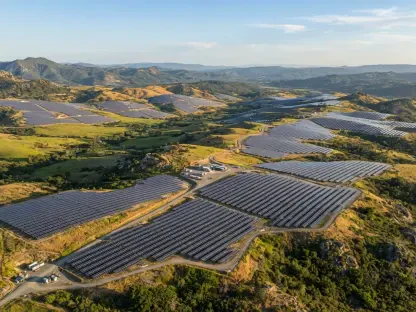
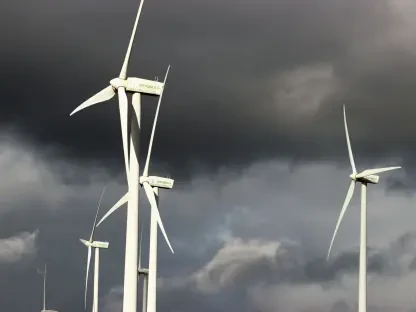
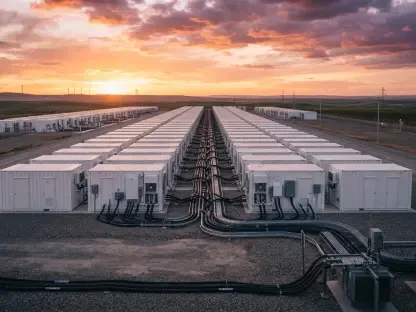
In regions that have heavily invested in wind and solar, the capacity factor of these intermittent sources rarely exceeds 40%, leaving a massive reliability gap that must be filled by gas-fired plants. This creates a dangerous situation during multi-day weather events where renewable output drops to near zero. While battery storage is often cited as a solution, current battery technology is insufficient to cover the storage needs required during extended periods of low wind or sunlight. Restricting gas plant operations through federal mandates therefore risks localized blackouts, as the physical laws of electricity demand clash with the limitations of current storage and renewable infrastructure.
Emerging Trends: The Looming Uncertainty of Regulatory Repeal
The energy sector is currently operating in a state of administrative limbo that is paralyzing long-term capital planning. Following the 2024 ruling, a shift in federal priorities led to a formal proposal for a full repeal of these greenhouse gas standards in 2025. However, this repeal process has encountered significant delays within the federal bureaucracy. As of August 2026, the 90-day review period at the Office of Management and Budget has passed without a final decision, leaving utility executives in a vacuum of certainty. This stagnation prevents billions of dollars in infrastructure investment, as companies are hesitant to break ground on new plants that may be regulated out of existence before they are completed.
Strategic Recommendations: Navigating a Volatile Energy Market
To mitigate the risks associated with this regulatory volatility, stakeholders must pursue a multi-pronged strategy focused on flexibility and advocacy. First, utilities should develop “dual-track” infrastructure designs that allow for the future integration of carbon capture without requiring its immediate deployment. Second, there must be a concerted effort to advocate for a more dynamic “capacity factor” that accounts for regional grid needs rather than a flat federal percentage. Finally, businesses should prioritize the streamlining of permitting processes to ensure that if older plants are forced into retirement, new and more efficient replacements can be brought online without the typical decade-long delays that currently plague the industry.
Conclusion: Balancing Policy Ambition with Grid Reality
The industry consensus shifted toward a recognition that grid reliability functioned as the primary metric of success for any energy policy. Stakeholders identified that a failure to harmonize environmental goals with the physical requirements of the grid risked long-term economic stagnation and national vulnerability. It was determined that the most effective path forward involved a diversified approach to generation that preserved natural gas as a critical stabilizer for the growing AI and data sectors. Strategic oversight suggested that the journey toward a cleaner future did not have to come at the expense of the stability required to sustain the modern digital economy. Ultimately, the priority remained the protection of the energy foundation as a vital asset for maintaining technological sovereignty.