
The sheer velocity of the artificial intelligence revolution is transforming the American industrial landscape at a pace that few energy experts or grid operators could have anticipated just a handful of seasons ago. This seismic movement is not merely a software update or a trend in silicon valley but a fundamental rewriting of the scale required for national infrastructure. As companies race for computational dominance, the traditional metrics of growth are being replaced by figures that would have seemed like science fiction at the start of the decade.
This transition from localized digital storage to massive AI training clusters represents a historic surge in power demand that is currently testing the structural limits of the United States electricity grid. The stakes involve more than just high-speed internet or cloud storage; they encompass the very ability of the nation to fuel the next generation of global economic competition. Today, the conversation has moved past simple expansion toward a desperate search for stable, high-capacity energy sources that can sustain a vertical climb in consumption.
The Unprecedented Shift: From Megawatts to Gigawatts
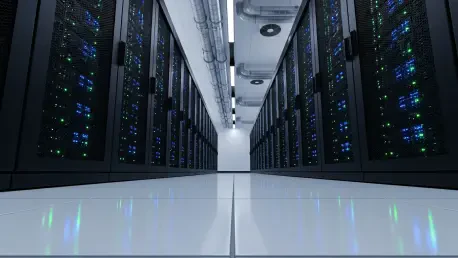
The physical footprint of American data infrastructure is undergoing a radical metamorphosis that has rendered previous industry standards obsolete. Just twelve months ago, a one-gigawatt data center project was widely viewed as an extreme outlier or a specialized moonshot, yet the landscape has shifted so rapidly that there are now more than 70 such projects in active development. Some individual sites are even pushing the boundaries further, aiming for a staggering ten gigawatts of capacity, a level of power that begins to rival the total electricity consumption of entire mid-sized nations.
This explosive growth is no longer following a predictable linear path but has instead entered a phase of vertical acceleration. The shift to generative AI requires a density of power that traditional server farms were never designed to handle, forcing developers to build larger, more energy-intensive facilities at a record-breaking clip. As these massive projects move from the drawing board to reality, the sheer volume of energy they pull from the grid is forcing a total re-evaluation of how utility companies plan for long-term load growth.
Why the AI Acceleration: Shattered Previous Forecasts
Energy analysts have found themselves in a constant state of revision as the real-world demand for AI hardware consistently outpaces every statistical model. Recent data indicates that earlier energy projections were far too conservative, with actual installed capacity in the United States already exceeding previous estimates for the mid-2020s by roughly 16%. The primary engine behind this discrepancy is the relentless delivery of specialized AI chips, which suggests that total energy demand could hit 207 gigawatts as early as 2033.
The fundamental challenge remains a massive disconnect between the speed of software innovation and the reality of physical construction. While a tech company can deploy thousands of high-end processors in a matter of months, building the high-voltage transmission lines and generation plants needed to support them takes years, if not decades. This lag has created a situation where the digital demand is essentially outrunning the physical grid, leaving developers and policymakers to scramble for solutions before the gap becomes unmanageable.
Mapping the Volatility: The Massive Uncertainty Gap
The rapid pivot toward AI-centric infrastructure has birthed a forecast “uncertainty gap” of 42 gigawatts, a margin of error so vast it represents more than four times the peak electricity load of New York City. Current base-case scenarios now anticipate that U.S. data center demand will reach 118 gigawatts by 2030 and climb to 194 gigawatts by 2035. These figures represent a massive upward revision compared to previous years, highlighting how quickly the market is moving away from past assumptions.
Geographical trends are also shifting as the boom spreads far beyond traditional tech corridors like Northern Virginia. While the PJM Interconnection remains the largest hub for these facilities, other regions have seen demand deviate significantly from expectations as developers seek any available pocket of power. Texas, for instance, has experienced a surge that caught many by surprise, proving that the hunger for energy is driving the industry to expand into any territory where the grid can still support its weight.
Industry Perspectives: The Looming Infrastructure Crisis
Market observers and financial institutions are sounding the alarm on a potential shortfall that could stifle technological progress if not addressed immediately. Analysts from major firms like S&P and Bank of America suggest that the market might actually require up to 230 gigawatts of new generation to maintain any semblance of stability. The core problem is a critical mismatch in planning: while data center loads are projected to grow by 125 gigawatts over the next five years, current utility plans only account for approximately 93 gigawatts of new capacity.
This 32-gigawatt deficit highlights a sector moving at a speed that traditional utility frameworks simply cannot match. If the physical reality of the power grid cannot keep pace with corporate ambitions, the industry could face a future of localized shortages and skyrocketing prices. The tension between the need for rapid digital expansion and the slow-moving nature of energy regulation has created a bottleneck that threatens to slow the very AI revolution that sparked the demand in the first place.
Navigating the Shortfall: Ambition Versus Grid Capacity
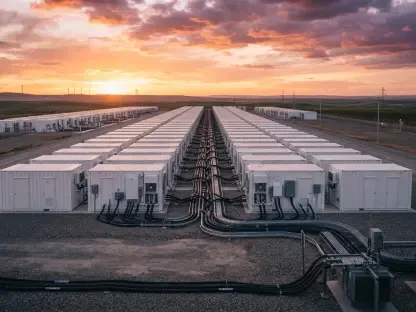
To survive this era of scarcity, developers have begun to adopt more aggressive and creative strategies for energy procurement. This involves prioritizing regions with high renewable energy density and moving toward “behind-the-meter” solutions that bypass the traditional grid entirely. Concepts like small modular reactors and massive battery storage systems are no longer theoretical discussions but essential components of the site selection process for the world’s largest tech companies.
Modernizing the grid management framework and fast-tracking interconnection queues became the top priorities for regulators and utilities alike. The objective shifted toward ensuring that the massive energy needs of the AI boom did not result in negative consequences for the general public or general grid reliability. Strategic investments in smart grid technology and distributed energy resources allowed for a more flexible response to these unprecedented loads, even as the scale of the projects continued to grow.
Stakeholders recognized that the distance between technological ambition and physical capability remained the industry’s greatest hurdle. Proactive investments in modular nuclear energy and decentralized storage provided a glimpse into a more resilient future. Ultimately, the successful navigation of this power surge required a fundamental realignment of how the digital and physical worlds interacted.