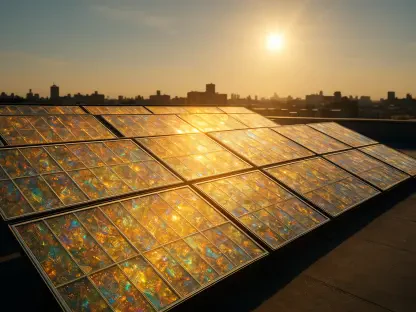

The rapid intensification of climate-related atmospheric disturbances has forced the global renewable energy sector to reconsider the structural vulnerabilities inherent in traditional fixed-tilt solar installations. As utility-scale solar farms expand into regions previously deemed too volatile for sensitive hardware, the risk of multi-million dollar losses from hail, hurricane-force winds, and heavy snow loads has become a primary concern for investors and grid operators alike. The emergence of the FLAPTrack system represents a significant shift in engineering philosophy, moving away from rigid, static designs toward dynamic, responsive architectures. This technology integrates advanced sensor arrays with high-speed articulation mechanics to reposition panels in real-time, effectively minimizing the impact surface during severe storms. By transitioning from a defensive posture to an adaptive one, solar facilities can now maintain operational continuity even when faced with the most extreme meteorological phenomena recorded in recent years.
Resilience Through Dynamic Motion Control
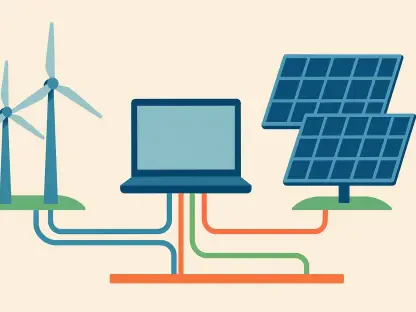
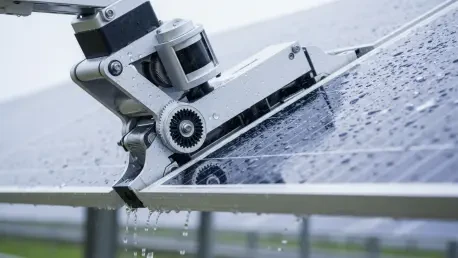
The core mechanism of the FLAPTrack technology relies on a sophisticated localized weather monitoring network that communicates directly with the motor controllers of the solar tracking racks. Unlike legacy systems that require manual intervention or slow-moving hydraulic overrides, this system utilizes high-torque actuators capable of tilting panels to a vertical orientation within seconds of a detected threat. This rapid response is critical during unpredictable events like microbursts or sudden hailstorms where the window for protective action is extremely narrow. By presenting a thinner profile to oncoming winds and gravity-fed projectiles, the panels significantly reduce the kinetic energy absorbed during an impact event. Furthermore, the articulation allows for the shedding of heavy snow accumulation before the weight compromises the structural integrity of the mounting frames. This level of autonomy ensures that solar assets remain protected without the need for on-site personnel.
Beyond simple positioning, the integration of machine learning algorithms allows the FLAPTrack system to predict micro-climatic shifts by analyzing barometric pressure changes and wind shear patterns in the immediate vicinity. This proactive approach ensures that the array begins its protective maneuvers well before the peak of a storm hits, avoiding the mechanical strain of moving against high-pressure air currents. Traditional rigid panels often act as sails during high-wind events, creating immense lift that can tear foundations from the ground; however, the articulated nature of this new system allows air to flow through the gaps between tilted modules. This aerodynamic transparency significantly lowers the total drag coefficient of the entire solar farm, preventing the cascading failures often seen in older installations. Engineering tests have demonstrated that these dynamic adjustments can extend the lifespan of photovoltaic modules by reducing the cumulative fatigue stress.
Economic Viability of Advanced Protection Systems
Implementing such advanced protective measures naturally involves a higher initial capital expenditure compared to standard fixed racks, yet the long-term economic benefits are becoming increasingly clear to global stakeholders. Insurance premiums for renewable energy projects have skyrocketed recently due to high-profile losses from extreme weather, but facilities equipped with FLAPTrack-style mitigation are seeing substantial discounts on their coverage. By drastically lowering the probability of total module destruction, these systems preserve the power purchase agreements that underpin the financial stability of large-scale solar projects. Investors are now prioritizing technologies that offer built-in disaster resilience, recognizing that the cost of a sophisticated tracking system is far lower than the cost of replacing twenty percent of a facility’s modules after a single hailstorm. As the market for solar components matures, the focus has shifted from maximizing raw efficiency to ensuring structural survivability.
The transition toward these intelligent and flexible mounting solutions provided a definitive path for the solar industry to navigate the challenges of an increasingly volatile global climate. Developers who integrated responsive tracking systems like FLAPTrack discovered that the ability to mitigate physical risk translated directly into higher bankability for their projects. While the engineering community continued to refine the durability of photovoltaic materials, the real breakthrough came from the mechanical systems that allowed panels to evade damage rather than simply trying to endure it. Looking forward, the standardization of these protective protocols suggested that future grid designs would rely on decentralized sensor networks to coordinate defensive maneuvers across entire regional energy hubs. By prioritizing kinetic adaptability, the industry successfully decoupled the expansion of renewable energy from the limitations imposed by geographical weather risks and paved the way for robust infrastructure.