
Integrating electric vehicles into the power grid as decentralized energy reserves could significantly reduce the need for utilities to invest in prohibitively expensive, large-scale battery infrastructure. As of 2026, the proliferation of high-capacity lithium-ion and solid-state batteries in personal transport has created a massive, distributed energy storage system that remains idle for nearly ninety-five percent of the day. Modern urban environments face mounting pressure from erratic weather patterns and aging electrical distribution systems, making the stability provided by millions of parked vehicles more than just a convenience. By viewing the national fleet not as a burden on the grid but as a flexible buffer, engineers are finding ways to balance supply and demand in real-time. This paradigm shift requires a sophisticated interplay between software and hardware, turning every garage into a micro-power plant. The transition involves moving beyond simple consumption to a symbiotic relationship where energy flows back and forth.
Engineering the Bidirectional Ecosystem
Technical Standards: Enabling Vehicle Communication
To achieve a seamless exchange of power, the industry has standardized communication protocols that allow vehicles to talk to chargers and the wider grid with millisecond precision. The adoption of ISO 15118-20 has been instrumental in this progress, providing a secure framework for bidirectional power transfer that ensures both hardware safety and data privacy. Automotive manufacturers are now shipping vehicles equipped with onboard inverters capable of managing high-voltage discharge without degrading the long-term health of the battery cells. This technical milestone means that an electric vehicle is no longer a passive appliance but an active participant in the energy market. Software platforms integrated into the dashboard allow owners to set discharge limits, ensuring they always have enough range for their daily commute while still contributing to local grid stability. These systems use machine learning to predict usage patterns, optimizing discharge cycles and maintaining longevity.
Virtual Power Plants: Orchestrating Distributed Assets
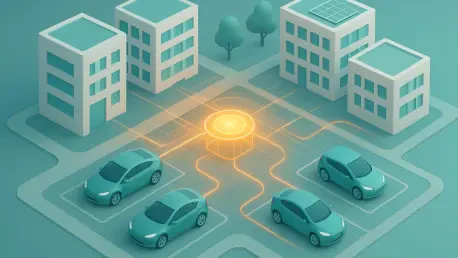
Aggregating these individual vehicles into a cohesive unit requires the deployment of Virtual Power Plants, which act as a digital orchestrator for thousands of disparate batteries. By synchronizing the discharge of several thousand vehicles in a specific neighborhood, a utility company can simulate the output of a traditional gas-fired power station without the associated carbon emissions. This collective power is particularly vital during extreme heatwaves when air conditioning demand pushes the grid to its absolute limit. Instead of implementing rolling blackouts, the grid operator can draw a small amount of power from each connected vehicle, barely noticeable to the individual driver but monumental when scaled across a metropolitan area. The efficiency of these digital systems has improved as high-speed telecommunications networks ensure that commands are executed across the fleet simultaneously. This coordinated response provides a level of agility that traditional infrastructure cannot match.
Economic and Environmental Implications
Grid Resilience: The Role of Renewables
One of the most significant challenges facing modern energy production is the inherent volatility of renewable sources like wind and solar power. While these green technologies are essential for decarbonization, they often produce energy when demand is low, leading to wasteful curtailment. Electric vehicles provide the perfect solution by acting as a giant, mobile sponge that absorbs excess renewable energy during the day and releases it back during the evening peak. This cycle effectively flattens the demand curve, making the grid more efficient and reducing the need for standby fossil fuel plants. By storing solar energy generated in the afternoon, a vehicle can power a household’s lights, appliances, and heating systems through the night. This capability not only reduces the carbon footprint of the individual user but also lowers the overall operational costs for the utility company. The ability to shift energy across time is the missing link in achieving a fully sustainable and carbon-neutral electrical grid.
Market Transformation: Establishing Energy Independence
The transition toward a fully integrated vehicle-to-grid system required decisive action from both policymakers and individual consumers. Governments implemented strict mandates for bidirectional capability in all new electric vehicles, while utilities modernized their rate structures to favor flexible demand. City planners focused on installing smart charging nodes in every multi-family dwelling, ensuring that apartment dwellers could participate as easily as homeowners. Technology companies refined the algorithms that managed battery health, proving that frequent, shallow discharges did not significantly harm long-term performance. Investors redirected capital from massive stationary battery projects toward the software and local infrastructure needed to support distributed reserves. This comprehensive approach successfully bridged the gap between transportation and energy sectors. By viewing the electric vehicle as a critical component of national security, stakeholders ensured a more resilient and sustainable future for all.