
The rapid transformation of North Carolina’s power grid has reached a pivotal junction where the necessity of modernization must finally reckon with the immediate financial realities of millions of household budgets. This complex interplay of corporate strategy and public interest came to a head recently as Duke Energy Carolinas and the Public Staff of the state’s Utilities Commission announced a partial settlement regarding a contentious rate increase proposal. For months, the dialogue between the utility giant and regulatory advocates remained stalled, centered on how to fund massive infrastructure upgrades without placing an undue burden on the average consumer. This development signals a shift toward a more collaborative, albeit temporary, resolution that seeks to balance the aggressive capital requirements of a transitioning energy economy with the protective oversight of state regulators. The outcome of these negotiations will serve as a blueprint for utility governance in the region.
Components of the Settlement Agreement
Reduced Rate Increases
The cornerstone of the partial settlement involves a significant reduction in the total revenue increase originally requested by Duke Energy Carolinas. While the initial filing suggested an 18% hike for residential customers to support wide-ranging grid investments, the revised agreement formalizes a request of 11.6%. This adjustment reflects a more measured approach to revenue recovery, acknowledging that a double-digit increase of the original scale would be untenable for many local economies. If sanctioned by the Utilities Commission, these rate changes will not be implemented overnight but will instead follow a tiered structure designed to prevent sudden bill shocks. Homeowners can expect to see the first phase of these adjustments appearing on their statements in 2027, with the subsequent phase rolling out across 2028. This phased implementation strategy provides families with the necessary lead time to adjust their financial planning.
Public transparency during the negotiation phase revealed that the utility reached this compromise during the rebuttal portion of the proceedings. This shift was largely influenced by the rigorous analysis provided by the Public Staff, who scrutinized the company’s capital expenditure forecasts and identified areas where spending could be deferred or optimized. By reducing the immediate financial impact on households, the settlement attempts to maintain public trust while still allowing for critical maintenance of the electrical distribution system. Regulators are currently reviewing the specific impacts on various customer classes to ensure that the burden is distributed equitably across the state’s diverse socioeconomic landscape. The settlement also includes provisions for improved communication regarding bill changes, ensuring that consumers are not caught off guard by the adjustments. This level of oversight is intended to create a more predictable economic environment for everyone.
Financial Offsets: Use of Credits
Beyond the reduction in the top-line percentage, the settlement utilizes several sophisticated financial mechanisms to shield consumers from the full brunt of infrastructure costs. One of the most impactful tools is the strategic application of federal solar tax credits, which the utility will use to offset its base operating costs. By leveraging these credits, the company can fund ongoing renewable energy projects without requiring direct capital contributions from the current ratepayer base in the immediate term. Furthermore, the agreement taps into surplus funds remaining from previous hurricane bonds, which were originally established to manage the massive recovery costs of major storm events. These reserves will now be redirected to cover expenses tied to more recent severe winter weather phenomena, effectively neutralizing those specific costs. This creative use of existing assets demonstrates a commitment to exhausting alternative funding sources.
The integration of these financial offsets is a tactical move to address the high costs associated with climate adaptation and extreme weather resilience. Instead of passing the costs of grid hardening directly to the consumer, the utility is using these non-ratepayer sources to bridge the gap in its capital needs. This approach has been well-received by fiscal advocates who have long argued that corporate windfalls and tax incentives should be the first line of defense against rising utility prices. As these funds are applied over the next two years, they will serve as a buffer, allowing the regional economy to absorb the rate increases more gradually. The Utilities Commission is expected to monitor the depletion of these surplus funds closely to ensure they are applied exactly as specified in the agreement. This oversight ensures that the financial relief promised to the public remains a central priority during the implementation.
Regulatory Conflicts and Social Impact
Disputed Profits
Even with the agreement on the base rate percentage, the persistent disagreement over the return on equity remains a significant hurdle for the North Carolina Utilities Commission. Duke Energy has maintained its proposal for a 10.48% return on equity, a figure that represents the profit level guaranteed to its shareholders on their invested capital. The Public Staff, acting as the consumer advocate in these proceedings, has remained steadfast in its opposition to this specific metric, arguing that a lower profit margin is appropriate given the current economic climate and the essential nature of the service. This metric is a critical lever in the regulatory process because even a fractional change in the return on equity can translate into millions of dollars in additional costs for the public. The commission must now weigh the utility’s need to remain attractive to private investors against the mandate to keep electricity affordable.
The reaction from state officials has been a blend of relief and continued vigilance from leadership and environmental advocates. Governor Josh Stein publicly acknowledged the settlement as a necessary corrective to the utility’s initial demands, crediting the organized efforts of public advocates for forcing a more reasonable compromise. However, state officials also noted that even the reduced 11.6% increase represents a significant financial commitment from a population already dealing with inflationary pressures. Environmental organizations expressed similar sentiments, suggesting that while the reduction is beneficial, it should not overshadow the need for deeper reforms in how utilities prioritize efficiency over expansion. This environment of heightened scrutiny ensures that the Utilities Commission will be under intense pressure to examine the remaining disputed items. The dialogue suggests future cases will face more rigorous standards.
The Human Cost of Energy Hikes
The tangible impact of these regulatory decisions is most clearly seen in the daily lives of North Carolinians who reside in high-growth corridors like Charlotte or in rural regions on fixed incomes. For these residents, the debate over percentages and returns on equity is not merely an academic exercise but a direct influence on their ability to manage essential household expenses. Public testimony during the recent hearings revealed a deep-seated anxiety regarding the cumulative effect of rising costs for housing, healthcare, and nutrition alongside increasing utility bills. Many citizens shared stories of the difficult choices they have already made to maintain their standard of living, emphasizing that any additional financial burden must be justified by visible improvements in service and reliability. This surge in civic participation has fundamentally changed the nature of utility oversight in the state.
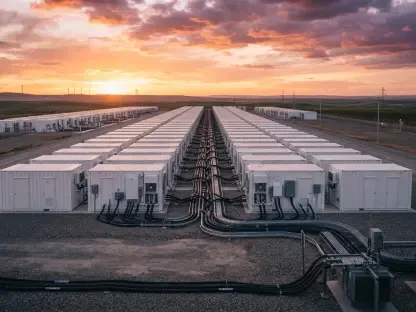
The strategy for future grid expansion focused on community-led initiatives that balanced capital investment with social equity. Past policies often favored centralized growth, but these negotiations highlighted the necessity of diversifying energy sources to include more localized battery storage and microgrid technology. By integrating these systems, the state prepared to mitigate the financial volatility often associated with large-scale fossil fuel dependence. Regulators emphasized that the success of the 2027 rollout would depend on rigorous data collection and real-time adjustments to protect vulnerable populations. This proactive stance suggested that the traditional utility model was evolving into a more dynamic and consumer-centric framework. Leaders throughout the region noted that these efforts provided a significant precedent for balancing corporate health with the public good.