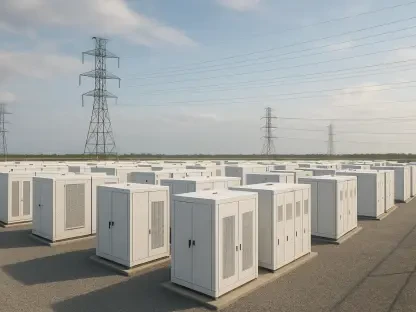

The rapid expansion of artificial intelligence and the proliferation of massive data centers have fundamentally altered the electrical consumption landscape, ending a long period of stagnant demand and placing unprecedented pressure on the aging American power grid. For decades, utility companies and regional planners operated under the assumption of slow, predictable growth, but the sudden emergence of high-density computing clusters has disrupted these traditional models. This shift necessitated a swift response from federal regulators to ensure that the national transmission system can accommodate these significant power requirements without jeopardizing reliability or economic stability. In response to these challenges, the Federal Energy Regulatory Commission has issued comprehensive mandates that require regional grid operators to modernize their connection processes and re-evaluate their infrastructure priorities. By focusing on how these large-scale consumers interact with the existing electrical network, the new directives seek to foster a more resilient and efficient energy environment that supports technological innovation while protecting the interests of the general public. This regulatory pivot marks a decisive moment in energy policy, reflecting the urgent need to align digital infrastructure growth with the physical realities of power generation and transmission capacity across the United States.
Modernizing Application Studies and Safeguarding Ratepayers
One of the most significant components of the new regulatory framework involves a complete overhaul of the methods used to study new interconnection requests from data center developers. Historically, the process for connecting a large power user to the grid relied on sequential, slow-moving studies that often failed to account for the unique operational profiles of modern digital facilities. Under the new “show cause” orders, grid operators are required to implement more sophisticated and expedited analysis techniques that can identify necessary upgrades with greater precision. This shift is designed to prevent the multi-year backlogs that have previously stalled critical infrastructure projects, allowing for a more dynamic response to the immediate needs of the technology sector. By moving away from outdated modeling software and adopting real-time simulation tools, regional managers can now provide developers with more accurate timelines and cost estimates, reducing the uncertainty that often plagues large-scale capital investments in the energy space. This modernized approach ensures that the grid remains capable of supporting the next generation of computing power without becoming a permanent bottleneck for domestic economic growth.
Maintaining financial equity within the utility system remains a paramount concern for federal regulators as they navigate this surge in electricity demand from private industry. A primary objective of the recent reforms is to eliminate the risk of cost-shifting, a phenomenon where the expensive transmission upgrades required by a single large data center are inadvertently funded by residential and small business ratepayers. The commission has mandated that grid operators establish clear and transparent mechanisms for assigning these costs directly to the entities that necessitate the infrastructure improvements. This means that data center developers must take greater financial responsibility for the localized and regional grid reinforcements their projects require, ensuring that the burden of industrial expansion does not fall on those least able to afford higher monthly bills. Furthermore, by formalizing these cost-allocation rules, regulators provide the technology industry with a predictable financial landscape, allowing companies to incorporate the true cost of energy delivery into their long-term site selection and development strategies. This balance of responsibility helps maintain public trust in the utility system while facilitating the rapid deployment of the infrastructure needed to keep the country at the forefront of the global artificial intelligence race.
Implementing Regional Standards and Advancing Grid Hardware
Rather than imposing a rigid, one-size-fits-all national standard for power connections, the commission has recognized the importance of regional flexibility in managing the specific needs of different energy markets. The energy landscape in the Pacific Northwest, characterized by its reliance on hydroelectric power, differs significantly from the wind-rich plains of the Midwest or the densely populated urban corridors of the Northeast. Consequently, the new directives allow Regional Transmission Organizations to tailor their specific rules to align with local geography, existing generation mixes, and state-level climate objectives. This decentralized approach acknowledges that local grid managers possess the most detailed understanding of their system’s vulnerabilities and strengths, enabling them to design connection protocols that are both effective and culturally appropriate for their service areas. However, this flexibility also places a significant responsibility on regional leaders to demonstrate that their chosen methods meet the overarching federal goal of fair and efficient grid access, creating a collaborative environment where federal oversight and local expertise work in tandem to solve complex engineering challenges.
To further expand the capacity of the current electrical network without the delays associated with building new high-voltage lines, regulators are championing the adoption of Alternative Transmission Technologies. These advanced hardware and software solutions, such as dynamic line ratings and advanced power flow control devices, allow grid operators to squeeze more performance out of existing wires by monitoring real-time conditions rather than relying on conservative static limits. By encouraging the use of these “grid-enhancing” tools, the federal government aims to reduce the overall cost of integrating data centers while speeding up the timeline for new connections. In many cases, these technologies can provide the incremental capacity needed to support a new facility in a fraction of the time it would take to permit and construct a traditional transmission project. This emphasis on technological innovation within the utility sector mirrors the rapid pace of change in the data center industry itself, fostering a more agile and responsive energy system that can adapt to changing load patterns and environmental factors with minimal disruption to the existing infrastructure or the surrounding communities.
Promoting Demand Flexibility and Navigating Jurisdictional Boundaries
A critical innovation introduced by these reforms is the formal recognition of flexible load services, which incentivize data centers to act as active participants in grid management rather than passive consumers of power. Many modern computing tasks, particularly those related to asynchronous AI model training, do not always require a constant and unwavering stream of electricity to maintain operations. By developing programs that reward data centers for reducing their energy intake during periods of peak demand or grid stress, regional operators can effectively treat these facilities as “virtual batteries” that help stabilize the system. This flexibility can lead to much faster interconnection approvals, as developers who agree to curtail their usage during emergencies can be brought online without waiting for major transmission reinforcements. Such a cooperative model not only improves the overall efficiency of the grid but also lowers the risk of localized outages, creating a mutually beneficial relationship between the technology sector and the utility companies responsible for maintaining service reliability for all users.
While federal regulators have taken a more assertive role in the oversight of high-voltage transmission, they have remained careful to respect the long-standing legal authority of individual states. The recent orders clarify that while the federal government sets the rules for wholesale markets and interstate transmission, the states retain the final say over the siting of physical facilities and the regulation of local retail electricity sales. This distinction is vital for avoiding protracted legal battles that could delay the modernization of the grid for years. By maintaining this jurisdictional balance, the commission ensures that local communities and state-level policy makers have a voice in where and how data centers are built, allowing them to align digital growth with their own economic and environmental priorities. This collaborative framework encourages states to work with federal planners to identify the most suitable locations for energy-intensive projects, ensuring that the benefits of the digital economy are shared across the country while respecting the unique regulatory traditions and public interests of each diverse region.
Strategic Implementation and Addressing Regulatory Blind Spots
The current regulatory landscape contains a notable gap that industry experts have identified as a potential hurdle for total grid modernization, specifically regarding regions that do not operate within organized wholesale markets. While the major regional transmission organizations in the Northeast, Midwest, and California are subject to these new federal mandates, large swaths of the West and Southeast remain outside this direct oversight structure. In these areas, vertically integrated utilities manage the grid under state-level supervision, which may lead to a lack of transparency and consistency in how data center connections are handled compared to the rest of the nation. This discrepancy creates a fragmented regulatory environment where developers might seek out regions with less stringent cost-allocation rules, potentially leading to the very cost-shifting issues the federal government is trying to prevent. Addressing this imbalance was deemed essential for ensuring that the benefits of reform are felt by all American consumers, regardless of their geographic location or the structure of their local utility market, necessitating a continued dialogue between federal authorities and state regulators in non-market regions.
Moving forward, the effectiveness of these reforms was contingent upon the aggressive compliance timelines established by federal officials, which gave regional grid operators exactly sixty days to respond to the directives. This sense of urgency reflected the reality that the pace of data center development showed no signs of slowing, and every month of regulatory delay compounded the gridlock in the interconnection queues. Stakeholders across the industry recognized that the successful implementation of these orders required a commitment to transparency and a willingness to abandon outdated business models in favor of more collaborative planning processes. By the time the compliance window closed, the groundwork was laid for a more transparent and equitable system that prioritized both technological progress and consumer protection. The actions taken during this period established a new baseline for grid management, proving that the federal government could act as a catalyst for meaningful change when faced with the unprecedented challenges of the digital age. Ultimately, these reforms ensured that the infrastructure supporting the nation’s energy future was as advanced and resilient as the technology it was built to power.