
The South Carolina Public Service Commission will hold hearings in April to determine the feasibility of a massive 30 percent increase in total grid capacity over the next 15 years. This unprecedented expansion is a direct consequence of the Carolinas becoming one of the most attractive regions for energy-intensive industries, including semiconductor manufacturing and large-scale data centers. As population growth continues to outpace national averages, the demand for reliable, 24/7 power has shifted from a long-term projection to an immediate infrastructure challenge. Duke Energy’s updated resource plan serves as the primary roadmap for this transition, aiming to retire coal-fired units while simultaneously tripling the available carbon-free resources. The commission’s review will focus on the delicate balance between maintaining affordable rates for residential customers and ensuring that the electrical grid can support the multi-billion dollar industrial investments that have defined the regional economy. This proposal represents one of the most significant overhauls of the Southeastern power corridor, requiring a coordinated effort across state lines.
Transitioning Toward Modern Baseload Energy
Nuclear Advancements: The Shift to Small Modular Reactors
Small Modular Reactors represent the next frontier in carbon-free baseload power, offering a scalable alternative to the massive nuclear projects of the past. These reactors are designed to be manufactured in a factory setting and transported to specific sites, which significantly reduces the construction risks and initial capital outlays traditionally associated with nuclear energy. By deploying these units at existing facility locations, the utility can leverage existing transmission lines and cooling infrastructure, streamlining the transition from fossil fuels to clean energy.
This technology provides a consistent power output that complements the variable nature of solar and wind energy, ensuring that the grid remains stable even when the sun is not shining. The current proposal includes the development of several of these units across the Carolinas, positioning the region as a national leader in advanced nuclear adoption. These reactors are expected to play a vital role in meeting the “around-the-clock” power requirements of modern high-tech industries, which cannot afford even momentary disruptions in service.
Natural Gas Infrastructure: Bridging the Carbon Gap
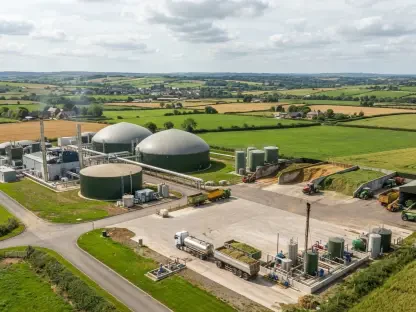
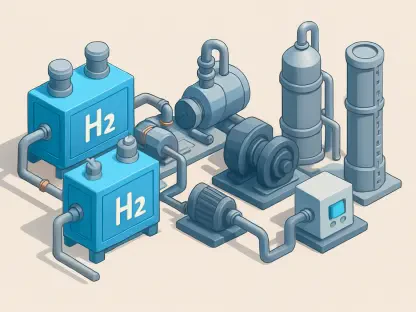
The integration of hydrogen-capable natural gas plants is another critical component of the regional energy strategy, providing the flexibility needed to manage rapid fluctuations in demand. As coal plants are phased out, natural gas serves as a reliable bridge fuel that can be dispatched quickly during periods of extreme cold or high industrial activity. These new facilities are being engineered to eventually utilize a blend of hydrogen, which offers a clear pathway toward further reducing the carbon footprint of the thermal generation fleet without sacrificing reliability.
Maintaining a diverse energy mix is essential for protecting consumers from price volatility in any single fuel market while ensuring the grid remains resilient against physical or cyber threats. The move toward advanced gas turbines represents a pragmatic approach to decarbonization that prioritizes the immediate energy needs of a growing population. By investing in these versatile assets, the utility ensures that the Carolinas can support both traditional manufacturing and the burgeoning tech sector, fostering a robust and competitive regional economy for years to come.
Enhancing Resilience and Strategic Modernization
Grid Integration: Optimizing Storage and Renewables
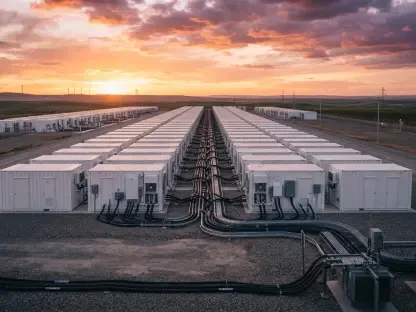
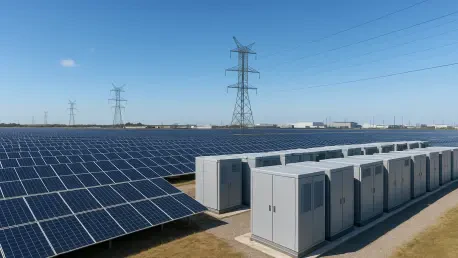
Expanding the use of solar energy and battery storage is vital for modernizing the regional grid and meeting aggressive sustainability targets. The latest resource plan calls for a massive increase in solar capacity, paired with utility-scale battery installations that can store excess energy for use during the evening hours. This combination helps to flatten the demand curve and reduces the need to run more expensive peaking plants during times of high usage. Recent technological improvements in battery chemistry have made these storage solutions more cost-effective.
Furthermore, the strategic placement of solar farms across various geographic locations helps to mitigate the impact of localized cloud cover on the total power supply. This distributed approach, combined with sophisticated grid management software, allows the utility to balance supply and demand in real-time with greater precision. As the Carolinas continue to attract green-minded corporations, providing a grid that can absorb and distribute renewable energy efficiently has become a key selling point for economic development officials. The result is a more dynamic and responsive energy ecosystem.
Implementation Pathways: Economic and Regulatory Milestones
Executing this massive grid expansion required careful coordination between utility providers, state regulators, and local communities to address both financial and environmental concerns. The previous hearings examined the projected costs of these capital projects, focusing on how to minimize the impact on monthly utility bills while still funding the necessary upgrades. Stakeholders were particularly interested in the timeline for decommissioning older facilities and the speed at which new, cleaner technologies could be brought online. Transparent communication regarding these long-term investments was crucial for maintaining public trust.
In the earlier stages of this planning process, officials prioritized the development of a resilient infrastructure that supported long-term economic growth across both North and South Carolina. They successfully established a framework that integrated diverse energy sources while addressing the urgent need for grid modernization in high-growth corridors. These early strategic decisions provided a clear path for future developers to follow, ensuring that the regional power supply remained stable during a period of transformative change. Moving forward, the focus shifted toward refining these strategies to maintain a competitive energy market.