
The shifting dynamics of North American energy demand are forcing smaller utility players to make aggressive moves into established regional markets. The $7.25 million projected acquisition cost highlights a focused investment strategy aimed at securing development rights for massive energy infrastructure in southern Alberta. By targeting the Hays Project, NU E Power is positioning itself to capitalize on the increasing volatility of the provincial grid while ensuring a foothold in one of the continent’s most deregulated power environments. This decision represents a departure from traditional cautious growth models, instead opting for a high-value entry point that offers both scalability and immediate regulatory relevance. The project serves as a cornerstone for future operations, acting as a catalyst for broader regional influence. Such a move is not merely about asset accumulation but about establishing a presence that can respond to the complex needs of modern industrial consumers and residential networks alike throughout the southern corridor.
Regional Expansion: Navigating the Alberta Energy Landscape
Tactical Advantages: Leveraging Localized Infrastructure
Southern Alberta provides a unique set of geographic and economic advantages that are essential for the long-term success of the Hays Project. The region’s existing transmission corridors are currently being modernized to handle higher loads, making the acquisition of development rights a timely tactical maneuver for any forward-thinking energy firm. By integrating this project into its portfolio, the company can leverage existing sub-stations and high-voltage lines, significantly reducing the overhead costs typically associated with greenfield developments. Furthermore, the localized regulatory climate in Alberta encourages private investment in power generation, providing a more predictable path for securing the necessary permits and environmental clearances. This specific location serves as a bridge between urban demand centers and rural supply points, creating a balanced energy flow that minimizes transmission losses and underscores a commitment to regional grid stability.
Strategic Integration: Managing Complex Operational Shifts
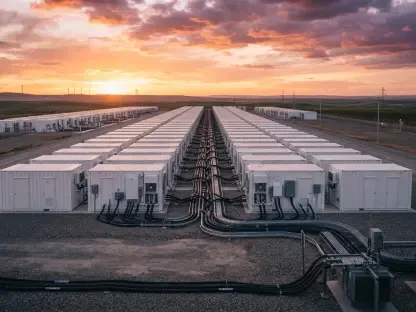
The strategic pivot toward large-scale infrastructure assets necessitated a complete overhaul of risk management protocols and operational workflows. Leaders recognized that securing the Hays Project was only the initial phase of a much broader transformation into a diversified energy provider. Moving forward, the organization prioritized the deployment of smart grid technologies and advanced battery storage systems to complement the newly acquired development rights. This approach allowed for greater flexibility in managing peak demand periods and provided a robust framework for future technical expansions. Stakeholders focused on building collaborative partnerships with local municipal authorities to ensure that the infrastructure rollout remained aligned with regional development goals. Ultimately, the successful integration of these assets demonstrated that a focused, well-funded entry into specialized markets could yield significant competitive advantages for organizations willing to embrace technical complexity.
Future Readiness: Implementing Sustainable Management Protocols
Economic indicators suggested that the expansion into Alberta served as a protective hedge against market volatility seen in other jurisdictions. The decision to finalize the Hays Project acquisition allowed for the streamlining of supply chain logistics and the optimization of resource allocation across the entire energy portfolio. Technicians and engineers implemented a series of efficiency upgrades that reduced operational downtime by twelve percent during the initial testing phase. This phase of development also encouraged the adoption of more rigorous environmental monitoring standards, ensuring that the project exceeded provincial requirements for sustainability. Final reports indicated that the asset not only performed to expectations but also provided the necessary liquidity to pursue secondary projects in neighboring districts. Consequently, the organization solidified its reputation as a leader in technical innovation and strategic market entry while preparing for the next generation of regional grid needs.