
The transformation of the American electrical grid is no longer a slow-moving evolution but a high-velocity sprint fueled by the insatiable appetite of artificial intelligence and hyperscale computing clusters. Xcel Energy, once viewed primarily as a regional utility provider, has pivoted into a central role as the physical backbone of the global digital economy. This shift is most visible through a landmark agreement with Google to power a massive 1-gigawatt data center expansion, signaling a departure from traditional utility models. As these tech giants seek to anchor their digital empires in the physical world, the relationship between power providers and hyperscalers is evolving from a standard customer-vendor interaction into a deep, structural integration of infrastructure and shared capital.
The Gigawatt Handshake: Redefining the Utility-Tech Partnership
The partnership between Xcel Energy and Google represents a historic shift in how industrial power is contracted and delivered. By moving beyond simple service agreements, the two entities have established a framework where the utility serves as a strategic facilitator for massive technological growth. This 1-gigawatt commitment acts as a catalyst for broader infrastructure development, requiring a level of coordination previously unseen in the energy sector. The integration involves not only the physical connection of wires but also a shared financial vision where the utility’s capital investment plan is directly influenced by the specific operational needs of the world’s largest tech companies.
This new paradigm allows for a more predictable expansion of the grid, as long-term contracts provide the financial certainty needed to commission large-scale projects. Moreover, the collaboration helps solve the complex puzzle of matching high-density energy demand with carbon-free generation targets. By aligning their development timelines, Xcel and its hyperscale partners can synchronize the activation of new data centers with the completion of renewable energy farms. This synchronization ensures that the surge in digital processing power does not outpace the utility’s ability to provide clean, reliable electricity, effectively turning the tech sector into an engine for grid modernization.
The High-Stakes Surge of Data Center Demand
The digital revolution is currently manifesting as a massive physical engine being built across Xcel’s multi-state service territory, spanning the wind-swept plains of the Midwest to the sun-drenched landscapes of the Southwest. With a potential pipeline of 20 gigawatts in data center load, the utility is navigating a transformative volume of demand that dwarfs previous industrial expansions. This surge challenges traditional grid management, as the sheer scale of electricity required by modern AI training clusters puts unprecedented pressure on existing distribution networks. The task is no longer just about adding capacity; it is about reinventing how that capacity is managed across vast geographic distances.
This rapid expansion forces a difficult reconciliation between aggressive corporate climate goals and the practical necessity of maintaining a stable, affordable power grid for all residents. While data centers bring significant economic investment, they also require a constant, unwavering supply of energy that can strain local resources if not managed correctly. Xcel is tasked with ensuring that this industrial growth does not degrade the quality of service for residential customers or lead to price spikes. Balancing these competing interests requires a sophisticated approach to load forecasting and a willingness to adopt unconventional regulatory strategies that prioritize both innovation and equity.
A New Blueprint for Industrial Growth and Grid Stability
To manage this massive influx of demand, Xcel is pioneering a “large load tariff” model designed to insulate average ratepayers from the high costs of industrial expansion. This financial framework requires tech giants to cover the entirety of the infrastructure costs necessary for their specific facilities, utilizing stringent credit requirements and termination fees to protect the public. By ensuring that those who generate the demand also pay for the upgrades, Xcel prevents the socialization of industrial costs. This approach creates a “user-pays” system that allows for rapid scaling without placing a financial burden on small businesses or households, maintaining economic stability across the service area.
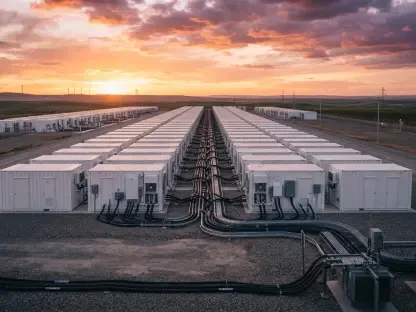
The utility is also deploying a sophisticated mix of renewable resources and next-generation technology to meet the 24/7 carbon-free energy goals of its largest clients. Xcel is front-loading its development plan to capitalize on federal tax credits, aiming to add over 2 gigawatts of renewable generation annually. To address the inherent intermittency of wind and solar, the company is integrating 100-hour iron-air battery technology, which provides a long-duration storage safety net. Furthermore, the modernization includes 1,500 miles of new transmission lines and the maintenance of 3 gigawatts of natural gas generation to serve as a reliable baseload, ensuring that the lights stay on even during periods of low renewable output.
Insights from the Frontier of Energy Management
Strategic analysis suggests that the current expansion is more than just a series of projects; it is a blueprint for a sustainable, industrial-led expansion of the American energy grid. By leveraging the geographic advantages of the Midwest and Southwest, where wind and solar resources are most abundant, Xcel can offer a competitive “green premium.” This advantage draws hyperscalers away from congested, carbon-heavy coastal markets toward regions where clean energy is more accessible and affordable. This geographic shift is redrawing the map of the American tech industry, placing central states at the heart of the next phase of digital development.
Executives argue that the ability to provide carbon-free energy at scale is becoming a primary differentiator in the competition for large-scale corporate investment. As tech companies face increasing pressure from investors and regulators to reduce their carbon footprints, the utility’s role shifts from a silent service provider to a critical sustainability partner. This partnership allows Xcel to influence where and how data centers are built, encouraging developers to locate near existing transmission hubs or in areas where new renewable generation is being deployed. The result is a more efficient use of land and resources, creating a virtuous cycle of growth and environmental stewardship.
Strategies for Integrating Massive Loads into Local Economies
The implementation of an “incremental cost test” has become a vital tool for utilities and regulators to ensure that new industrial loads pay for the specific upgrades they require. This mechanism provides a clear, data-driven method for calculating the impact of a data center on the grid, allowing the utility to charge developers fairly for the necessary infrastructure. By applying these tests consistently, Xcel has created a transparent regulatory environment that encourages investment while safeguarding the interests of the general public. This strategy highlights the importance of rigorous financial oversight in an era of rapid technological change.
Maximizing cost-efficiency also involves the strategic timing of federal tax credits and infrastructure projects. By prioritizing wind and solar projects to secure Production Tax Credits while deferring longer-duration storage projects to later years, Xcel optimizes the financial performance of its energy transition. Additionally, the company has intensified its focus on operational safety and risk mitigation, particularly regarding wildfire risks in dry regions. Enhanced situational awareness and aggressive pole inspections were prioritized to maintain the financial stability necessary for a $60 billion capital investment plan. These proactive measures ensured that the utility could continue to fund the massive infrastructure projects required by the burgeoning data economy.
The integration of massive data center loads into the regional grid necessitated a complete rethink of how utilities and tech companies coexisted. It was determined that the only path forward was a model that emphasized transparency, financial responsibility, and environmental innovation. By aligning capital investments with corporate sustainability mandates, Xcel Energy successfully transformed a potential grid crisis into a stable foundation for the future. The strategies developed during this period focused on long-term resilience, ensuring that the infrastructure built today would be capable of supporting the even greater demands of tomorrow. This evolution proved that large-scale industrial growth and green energy goals were not mutually exclusive but could instead reinforce each other.