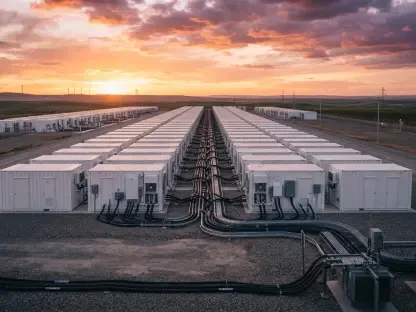

The relentless push toward universal electrification and the integration of decentralized renewable energy sources has created a precarious situation where the speed of deployment frequently outpaces the rigorous quality assurance protocols established by traditional utilities. As the world moves toward a total reliance on electricity for everything from domestic heating to industrial processes, the volume of high-voltage transformers and power electronics needed has pushed production lines beyond their intended limits. This acceleration often forces procurement officers to source critical components from unverified secondary suppliers or to accept lower tolerances for metallurgical purity in elements like copper and aluminum. Consequently, the industry is witnessing a shift away from the long-term reliability that once served as the backbone of civilizational stability. The potential for failure remains high as aging infrastructure is replaced with modern hardware that lacks the historical track record necessary to guarantee decades of uninterrupted service in harsh environmental conditions.
Material Compromises in the Name of Speed
The current crisis is not merely a matter of manufacturing oversight but is fundamentally rooted in the global shortage of high-grade electrical steel and the scarcity of high-purity insulating resins. Manufacturers in the specialized grain-oriented electrical steel sector have struggled to keep pace with the massive orders required for the next generation of step-down transformers, leading some tier-two suppliers to utilize inferior alloys that exhibit higher hysteresis losses and reduced thermal stability over time. When these subpar materials are integrated into the grid, they contribute to a cumulative efficiency loss that represents a massive drain on total system capacity when scaled across a continental network. Moreover, the reliance on just-in-time delivery models has stripped away the buffer zones that previously allowed for rigorous testing. Today, components are often installed within weeks of leaving the factory floor, leaving engineers with almost no time to perform the forensic analysis required to identify latent defects.
Transitioning to a more resilient sourcing strategy requires a fundamental reappraisal of the relationship between cost-efficiency and operational longevity in the energy sector. Many organizations have discovered that the initial savings gained from selecting low-bid hardware are quickly erased by the exorbitant costs associated with unplanned outages and the emergency mobilization of specialized repair crews. The influx of remanufactured components has further complicated the landscape, as secondary market vendors often lack the specialized equipment needed to verify that a refurbished circuit breaker meets the original equipment manufacturer’s specifications. This has led to a situation where the digital twin models used by modern control rooms are essentially blind to the physical vulnerabilities of the hardware they monitor. Without a return to stringent material verification and the implementation of standardized provenance tracking for every node, the grid remains vulnerable to systemic weaknesses that could be triggered by the next major extreme weather event.
Strategic Solutions for Restoring Grid Hardware Integrity
The adoption of advanced sensing technologies and the implementation of real-time acoustic monitoring emerged as the most effective methods for preemptively identifying failures before they resulted in catastrophic grid downtime. High-fidelity vibration analysis and dissolved gas analysis (DGA) for transformer oil allowed operators to detect the chemical signatures of internal arcing long before conventional thermal sensors registered a problem. By utilizing these localized monitoring tools, maintenance teams were able to prioritize the replacement of components that exhibited the highest risk profile, effectively triaging vulnerabilities without requiring a total overhaul. Furthermore, the integration of distributed ledger technology for supply chain transparency ensured that every spool of wire and batch of semiconductor wafers possessed a verifiable digital history. This prevented the infiltration of counterfeit materials into high-criticality projects, such as the massive subsea HVDC links, thereby securing the long-term viability of these capital investments.
Utility providers eventually shifted their procurement frameworks to favor total lifecycle value over the lowest upfront capital expenditure, which fundamentally altered the incentives for global hardware manufacturers. These leaders prioritized the deployment of modular, over-engineered components that featured redundant cooling systems and enhanced shielding. By demanding longer warranty periods and rigorous onsite performance testing during the commissioning phase, they forced a market-wide correction that eliminated the most egregious examples of quality shortcuts. The result was a more robust and resilient energy infrastructure that stood up to the rigors of the modern electrified economy while maintaining the high standards of safety and performance that the public had come to expect. Industry consortia also standardized the protocols for non-destructive testing, which allowed for the assessment of hardware health during routine inspections without interrupting power flow. This proactive approach successfully mitigated the risks of the quality crisis, ensuring that the transition to a sustainable energy future was built on technical excellence.