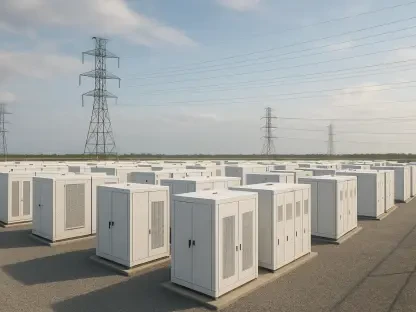

Meeting the region’s looming energy shortfall will require a significant increase in the pace of building new generation facilities and transmission lines. This shift marks a dramatic departure from the previous decade, where conservation and modest upgrades were sufficient to keep pace with growth. Pacific Northwest faces a triple threat of rapid data center expansion, aggressive transportation electrification, and a transitioning manufacturing sector. As state mandates push for decarbonization, the Northwest Power and Conservation Council has revised its strategy to ensure reliability while navigating the retirement of coal plants. The current trajectory suggests that demand could outstrip supply within a few years if structural changes are not accelerated. This pressure is compounded by the increasing frequency of extreme weather events, which test the limits of the existing hydroelectric backbone. Stakeholders are now forced to weigh the benefits of rapid technological adoption against financial realities.
Diversifying the Energy Portfolio for Resilience
Strategic Integration: The Role of Small Modular Reactors
Small modular reactors (SMRs) have transitioned from theoretical concepts to cornerstone components of the regional strategy. Unlike traditional large-scale nuclear plants, these units offer a scalable and flexible power source that can be deployed near industrial hubs or existing grid interconnections. In Washington and Oregon, utility companies are exploring partnerships to deploy SMR fleets that provide baseline power to balance the intermittent nature of renewables. These reactors are particularly valuable because they provide carbon-free electricity without the massive environmental footprint of large dams. The ability to manufacture components in a factory setting and ship them to sites across the Northwest significantly reduces construction timelines and costs. Success of this rollout depends on navigating complex federal licensing processes and securing community support for new nuclear technologies. Experts argue that without a reliable baseline, the grid will remain vulnerable during low wind periods.
Renewable Expansion: Scaling Wind and Solar Capacity
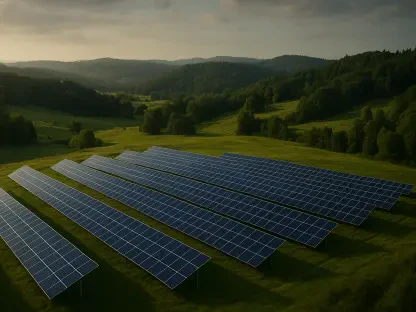
Wind and solar energy continue to be the primary drivers of new capacity, with projects expanding beyond traditional corridors. Large-scale solar arrays are increasingly paired with long-duration battery storage systems to mitigate the variability of sunlight. In the Columbia River Gorge and eastern Montana, wind farms are being upgraded with more efficient turbines that can capture energy even at lower wind speeds. This expansion is not without its challenges, as siting these facilities requires careful consideration of land use, tribal rights, and ecological impacts on local wildlife. The Council emphasizes that the goal is not merely to add more megawatts but to create a geographically diverse mix that ensures power is available even when weather patterns are unfavorable. Advanced forecasting models are now being integrated into grid operations, allowing utility managers to predict output with greater precision. This data-driven approach minimizes the reliance on fossil-fuel-based backup plants.
Modernizing Grid Infrastructure and Operational Strategies
Transmission Upgrades: Expanding the Regional Highway
The physical infrastructure that moves electricity across state lines is currently the biggest bottleneck to meeting regional energy goals. Upgrading the high-voltage transmission network is essential for connecting remote renewable energy sources in Idaho and Montana to the high-demand urban centers along the I-5 corridor. New projects focus on installing high-capacity conductors and implementing smart grid technologies that optimize the flow of electricity in real-time. These “virtual power lines” use sensors and software to increase the capacity of existing wires without the need for extensive new construction. Nonetheless, building new long-distance transmission lines remains a slow process due to multi-jurisdictional permitting and environmental reviews. Coordination between federal agencies like the Bonneville Power Administration and private utilities is critical to streamlining these projects. Without a modernized transmission backbone, the region risks “curtailment” where renewable energy is wasted.
Future Perspectives: Actionable Path Toward Grid Stability
The Ninth Power Plan established a roadmap that prioritized agility and technological diversity over the static strategies of the past. It moved the region toward a proactive stance, where the focus shifted from simple conservation to the aggressive deployment of advanced energy solutions. Decision-makers recognized that the integration of artificial intelligence into grid management and the expansion of regional markets were no longer optional. Moving forward, utilities focused on securing long-term supply chains for critical minerals and battery components to avoid project delays. Local governments took steps to harmonize zoning laws for energy projects, which expedited the approval of essential infrastructure. The path ahead necessitated a collaborative approach between state regulators, tribal nations, and private industry to ensure that the transition remained equitable and economically viable. By committing to these structural reforms, the Northwest positioned itself to serve as a national model.