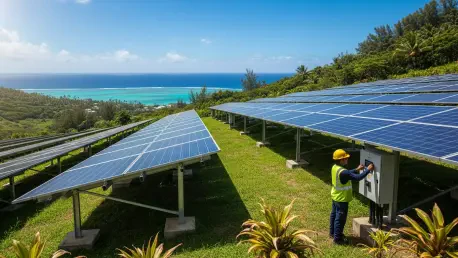

The rhythmic lap of the Pacific Ocean against the shores of Fiji now accompanies a silent revolution that is fundamentally altering how island nations perceive their most basic necessity: power. For decades, the geographical isolation that defines these archipelagos has been a double-edged sword, offering pristine natural beauty while simultaneously enforcing a punishing reliance on expensive, imported fossil fuels. This dependency has historically tied the economic fate of millions to the volatile fluctuations of global oil markets, often leaving local governments and households at the mercy of geopolitical events thousands of miles away. However, the current landscape is shifting toward a model of energy independence driven by the relentless sun. By prioritizing solar infrastructure, Pacific nations are not merely adopting a cleaner technology; they are dismantling an archaic system that favored central control over community resilience. This transition represents a critical pivot toward self-sufficiency, ensuring that the lights stay on even when global supply chains falter or prices skyrocket.
Breaking the Chains of Fossil Fuel Dependency
Socio-Economic Burden: Part 1. Impact of Imported Oil
The relentless pressure of imported diesel costs has created a profound socio-economic burden that permeates every facet of life within Pacific island communities. In nations like Fiji, the reality of high fuel prices manifests in ways that extend far beyond the gas pump, directly influencing the cost of public transportation and the price of essential groceries in local markets. Because diesel is the primary fuel for the fishing boats that provide both food and income, as well as the generators that power remote villages, any increase in global oil prices triggers a devastating cascading effect on the cost of living. Families often find themselves facing impossible choices between paying for electricity and purchasing nutritious food, turning energy access into a source of constant economic anxiety rather than a basic utility. This systemic vulnerability has highlighted the inherent instability of the old energy model, where the basic dignity of citizens is frequently compromised by market forces that remain entirely beyond their control.
Socio-Economic Burden: Part 2. Grid Vulnerability
Beyond the immediate financial strain on households, regional utilities have frequently been forced to implement power rationing to manage the unsustainable costs of thermal generation. This crisis is often exacerbated by worsening dry seasons, which significantly reduce the output of hydroelectric facilities and leave the energy grid dangerously over-reliant on expensive diesel backup systems. For local communities, these power shortages translate into tangible hardships for everyone from sugarcane farmers who cannot process their harvests to commuters stranded by curtailed transport services. The fragility of this setup demonstrates that traditional energy models are no longer fit for purpose in a world facing increasing environmental and economic turbulence. The push for a more resilient and self-contained energy infrastructure is therefore born of necessity, as islanders seek to insulate themselves from the whims of international supply chains. By moving toward localized solar power, the region aims to build a foundation of reliability.
Solar Power as a Driver for Development and Justice
Empowering Communities: Part 1. Climate Justice and Rights
Renewable energy has emerged as a vital instrument for achieving climate justice in a region that contributes the least to global carbon emissions but remains on the front lines of its impacts. For many Pacific Islanders, solar access is not just an environmental preference but a fundamental facilitator of human rights and social equity. Reliable electricity allows children in remote villages to study well after sunset, narrowing the educational gap between rural and urban populations and providing a ladder for social mobility. Furthermore, solar-powered refrigeration has become a game-changer for local fisherfolk, ensuring food security and allowing them to store their catch for longer periods without the fear of spoilage. This technological shift also supports essential public services, such as clean water pumps that no longer rely on expensive fuel deliveries and communication networks that remain operational during emergencies. By decentralizing power, these nations are ensuring that the benefits of modern technology are distributed fairly.
Empowering Communities: Part 2. Local Leadership
The current transition is further characterized by a surge in local entrepreneurial leadership, which is successfully bridging the gap between urban centers and isolated rural communities. These leaders are championing distributed renewable energy projects that move away from centralized, vulnerable grids toward localized generation systems that are easier to manage and maintain at the village level. This grassroots approach empowers individuals in the most remote areas to take ownership of their energy needs, fostering a sense of agency and technical proficiency within the local workforce. As more communities adopt these systems, there is a visible rise in personal growth and economic activity, as reliable power enables the creation of small businesses and digital connectivity. This evolution in leadership ensures that the energy transition is not a top-down mandate but a community-driven movement that prioritizes local needs. By investing in decentralized solar arrays, Pacific nations are creating a unique blueprint for development.
Overcoming Technical and Economic Barriers
Technical Expertise: Part 1. Bridging the Skills Gap
While the physical components of solar technology are becoming increasingly accessible across the Pacific, the long-term success of this transition hinges on the quality of installation and maintenance. A significant bottleneck currently exists in the form of a technical expertise gap, which poses a risk to the durability and efficiency of newly installed renewable systems. Without a workforce trained in the specific nuances of tropical solar maintenance, many projects could fall into disrepair, wasting valuable investment and delaying the march toward a fully renewable future. To combat this, there is an urgent need for targeted investment in human capital and vocational training programs that prioritize hands-on experience for local residents. Ensuring that Pacific Islanders are the primary architects and maintainers of their own infrastructure is essential for true energy sovereignty. By fostering a high level of technical proficiency, the region can move beyond being a consumer and become a hub of renewable innovation.
Technical Expertise: Part 2. Urban Economic Incentives
For urban residents and commercial entities, the shift toward solar energy represents a strategic long-term investment that offers immediate financial benefits and long-term stability. By installing rooftop solar systems, homeowners are able to drastically reduce their monthly utility bills, shielding themselves from the volatility of traditional energy pricing. Many urban areas are now implementing net-metering programs, which allow users to sell excess electricity back to the national grid, effectively turning their homes into miniature power plants that generate passive income. This economic incentive is a powerful driver for wider adoption, as it makes renewable energy a financially attractive option for a broad demographic of the population. Furthermore, the influx of residential solar helps to stabilize the broader energy market by reducing the peak demand on centralized power plants during daylight hours. This symbiotic relationship between individual investors and the national grid is accelerating the transition today.
Fostering Regional Resilience and Sovereignty
Community Initiatives: Part 1. The Solar Scholars Program
Innovative initiatives like the Solar Scholars program are playing a crucial role in bridging the skills gap by training community leaders to assemble, operate, and repair solar equipment. Developed through the lens of South-South cooperation, this program specifically equips individuals with portable solar systems that are designed to be resilient during the extreme weather events common in the region. These systems are particularly valuable in the aftermath of cyclones, providing immediate power for lighting and communications when centralized grids are inevitably knocked offline. By focusing on portability and ease of repair, these community-led efforts ensure that energy solutions are not only sustainable but also rugged enough to withstand the harsh realities of life in a disaster-prone environment. This localized approach to energy security fosters a culture of self-reliance, where members of the community are no longer dependent on outside technicians to keep their lights on through a crisis.
Community Initiatives: Part 2. Energy Democracy and Sovereignty
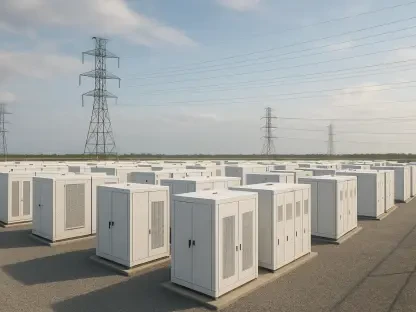
The regional movement toward solar energy successfully integrated technical training with community leadership and an entrepreneurial spirit to build national sovereignty. Pacific nations demonstrated that even geographically isolated territories could lead the way in implementing practical and equitable energy transitions by reclaiming control over their power generation. This shift moved beyond mere technological replacement, as it fundamentally reshaped the relationship between citizens and their utility providers, fostering a new era of energy democracy. Looking forward, the next logical step involves the expansion of regional battery storage capacity to ensure that the gains made during the day are fully utilized throughout the night. Governments must also prioritize the standardization of renewable hardware to simplify maintenance and reduce the costs of replacement parts across different island chains. By sharing expertise through regional forums, the Pacific is well-positioned to maintain its momentum.