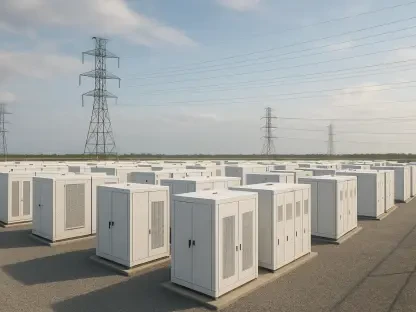

The unprecedented expansion of the digital economy has reached a critical juncture where the physical limits of the power grid must now dictate the pace of technological growth. PJM Interconnection, the largest grid operator in the United States, is currently overhauling its reliability requirements following a massive power disruption in Northern Virginia that sent shockwaves through the energy industry. This analysis explores how a single localized fault led to the largest load-loss event in PJM’s history and why this incident triggered a shift in how computational loads, such as data centers, are integrated into the bulk power system.
Strengthening the Core of the American Power Grid
The reliability of the American power grid faces a novel challenge as the digital economy expands at an unprecedented rate. PJM is currently addressing technical failures to better understand the precarious balance between rapid technological growth and the necessity of stable energy infrastructure. This involves moving toward a proactive framework that treats data centers as integral grid components rather than isolated consumers.
The Evolution of Industrial Load and Grid Vulnerability
Historically, industrial loads were composed of heavy machinery that possessed natural physical inertia, making them resilient to voltage fluctuations. However, the shift toward a digital-first economy replaced mechanical flywheels with sensitive silicon chips. Northern Virginia’s concentration of data centers has changed the grid risk profile, as the hyper-sensitivity of modern facilities can trigger systemic instability rather than mitigate it.
Addressing the Technical Gap in Modern Power Consumption
The July 22 Incident: A Wake-Up Call for Grid Operators
On July 22, a routine fault on a 230-kV line in Dominion Energy’s territory caused a staggering 3.8 GW of load to trip offline. This was a load-shedding event where data centers disconnected from the grid in two distinct waves, representing nearly 4% of PJM’s total load. The sudden drop created a massive imbalance between generation and demand across the 13-state region, highlighting the fragility of modern industrial interconnections.
The Critical Need for Enhanced Ride-Through Standards
The primary technical challenge is the lack of ride-through capability among data centers. During the July 22 event, sensitive power electronics within these facilities disconnected prematurely rather than enduring momentary instability. PJM is now pushing for new standards requiring these facilities to stay connected during minor disturbances. This evolution is necessary to prevent a recurring cycle of large-scale instability as computational loads continue to grow in scale.
Navigating Regulatory Overlap and Regional Challenges
National registration criteria for computational loads are being finalized by the end of 2026, yet PJM leadership argues the region cannot afford to wait. The density of Virginia’s Data Center Alley makes PJM a canary in the coal mine for the rest of the country. Addressing load behavior and the technical interface between private infrastructure and public utility remains vital for regional stability and long-term planning.
The Future of Grid Resilience in the AI Era
As demand for artificial intelligence and cloud computing continues to soar, the pressure on the grid will only intensify. We are entering an era where grid operators will likely demand grid-friendly configurations from large-scale consumers as a prerequisite for interconnection. Technological innovations, such as advanced inverters and large-scale battery storage, may soon play a dual role in protecting hardware and stabilizing the grid within a more integrated regulatory landscape.
Strategic Takeaways for Industry Stakeholders
For data center developers, future projects must prioritize electrical resilience and compliance with emerging ride-through mandates. Utilities and grid operators should take proactive steps to model the behavior of sensitive loads during faults rather than relying on historical data from the mechanical era. For policymakers, regulatory speed must match the pace of technological expansion to bridge the gap between national guidelines and local operational needs.
Securing the Digital Frontier
The July 22 outage was a watershed moment that exposed the hidden vulnerabilities of a grid increasingly dominated by sensitive digital loads. By toughening standards and mandating ride-through capabilities, PJM set a necessary precedent for the global energy industry. As the digital and physical worlds became more deeply intertwined, the stability of the power grid depended on the ability of large-scale consumers to act as partners in reliability rather than liabilities. Ensuring this resilience provided the foundation upon which global innovation was built.