
The relentless acceleration of the artificial intelligence revolution has reached a critical tipping point where the demand for raw electricity is no longer measured in megawatts but in the massive, industrial scale of gigawatts. This seismic shift is perfectly encapsulated by the latest projections from Allentown-based PPL Corporation, which has witnessed its “advanced” stage data center pipeline balloon to a staggering 40 GW. This figure represents more than just a corporate milestone; it serves as a concrete baseline for the digital economy, signaling that the energy grid is now the primary theater of operation for the world’s largest tech giants. Such a massive revision suggests that the transition to a data-heavy society is moving significantly faster than even the most aggressive industry forecasts had predicted just three months ago.
The 40-Gigawatt Surge: Powering the Future of the Digital Economy
The sheer scale of the energy demand currently hitting the PJM Interconnection and Kentucky markets is difficult to overstate. PPL Corporation has effectively transitioned from being a regional utility provider to becoming the foundational infrastructure for hyperscale developers. By securing a pipeline of this magnitude, the company is positioning itself at the center of a global movement where computing power and electrical capacity are inextricably linked. This surge reflects a reality where the digital and physical worlds merge, requiring a level of power generation that was once reserved for entire metropolitan areas.
This expansion is not merely a theoretical exercise in future planning; it is a rapid response to the immediate needs of the AI and cloud computing sectors. The Allentown-based provider is navigating a landscape where the traditional boundaries of utility service are being redrawn. As these “advanced” projects move toward realization, they create a ripple effect throughout the regional economy, influencing everything from local job markets to the national conversation on energy security and technical sovereignty.
Why the Data Center Boom Redefines Utility Infrastructure
The rapid expansion of data centers represents a fundamental shift in how utility companies plan for the next decade. As cloud computing and artificial intelligence require unprecedented levels of baseload power, the traditional model of steady, incremental growth is being replaced by massive, high-capacity industrial hubs. This shift necessitates a complete reimagining of the electrical grid, moving away from a system designed for residential spread toward one built for concentrated, high-intensity consumption. Understanding this evolution is vital, as it dictates the multi-billion dollar capital investments required to maintain reliability for both local families and massive tech campuses.
Furthermore, this boom is forcing a sophisticated dialogue between state-level energy policy and private enterprise. The creation of these industrial hubs requires a delicate balance between rapid deployment and long-term grid stability. Utility providers must now act as strategic partners to hyperscale developers, ensuring that the infrastructure is not only robust enough to handle the load but also flexible enough to adapt to future technological breakthroughs. This new era of infrastructure is defined by its scale and the speed at which it must be deployed to keep pace with the digital demand.
Analyzing the 40 GW Pipeline Across Pennsylvania and Kentucky
The 28.3 GW pipeline in Pennsylvania represents a significant 12% jump from previous quarters, with an aggressive timeline aiming for 20.7 GW by 2030. PPL Electric has moved beyond speculative leads, securing signed agreements and financial protections from major industry players like Amazon Web Services and QTS Data Centers. This “advanced” status is a crucial financial safeguard, ensuring that infrastructure costs are covered by the developers themselves even if a specific project is canceled. By mitigating risk for the broader ratepayer base, the company ensures that the expansion remains economically viable for the local community.
In the Kentucky service territories of LG&E and KU, the data center pipeline has surged to 11.9 GW, complemented by an additional 1 GW of non-data center industrial development. This growth signifies a reshaping of the regional economy, as Kentucky pivots toward becoming a major hub for high-capacity power consumers. The scale of this demand is forcing a total reevaluation of the state’s energy generation mix to ensure long-term stability. To manage this without overleveraging its balance sheet, PPL is pursuing an unregulated joint venture with Blackstone Infrastructure, focusing on building dedicated generation facilities. By securing gas turbines now, the company is bypassing the speculative bottlenecks that often plague the PJM Interconnection queue.
Expert Insights and Market Realities in the Energy Sector
Despite the massive future pipeline, recent earnings highlight a temporary dichotomy in the energy market. While net income rose to $452 million due to rate adjustments, current weather-normalized sales in Kentucky and Pennsylvania saw slight declines in the industrial sector. This suggests that while the digital infrastructure of tomorrow is being built today, the traditional industrial economy is currently navigating a period of normalization. This gap between current sales and future commitments requires careful financial management to ensure that the utility remains healthy during the transition phase.
Regulatory challenges also loom large as the industry grapples with cost-sharing frameworks. Leadership has voiced a cautious stance regarding the PJM Interconnection’s proposed reliability auctions, emphasizing that the costs of supporting these massive new loads must be borne by the developers driving the demand. This “beneficiary pays” strategy is a critical component of protecting residential customers from subsidizing the specialized infrastructure required by hyperscale centers. Balancing the needs of large-scale developers with the rights of the average homeowner remains one of the most complex tasks for modern utility executives.
Strategies for a Diversified Energy Generation Future
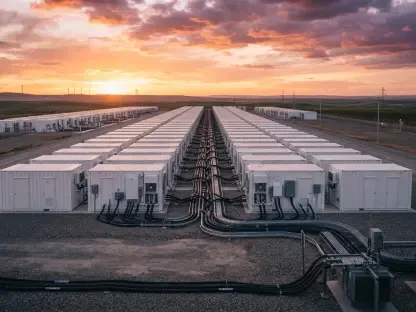
To bridge the gap between current capacity and future demand, the prioritization of battery storage has become a central pillar of the deployment strategy. Additionally, the development of long-duration solutions like the 266-MW pumped storage project being developed by Rye Development provides a reliable physical battery for the grid. These technologies offer the rapid response capabilities needed to manage the fluctuating loads associated with high-density computing environments while maintaining overall system integrity.
Looking toward the horizon, the exploration of both traditional and frontier energy sources remains essential. The collaboration with X-energy to investigate the feasibility of Small Modular Reactors (SMRs) in Kentucky represents a forward-thinking approach to carbon-free baseload power. This phased strategy focused on site readiness and regulatory certainty, ensuring that the next generation of nuclear technology could be integrated when it reached maturity. Ultimately, the successful integration of these diverse energy sources ensured that the grid remained resilient, providing a stable foundation for the next phase of global technological evolution. By the time the peak load requirements materialized, the necessary investments in infrastructure and policy were already firmly in place.