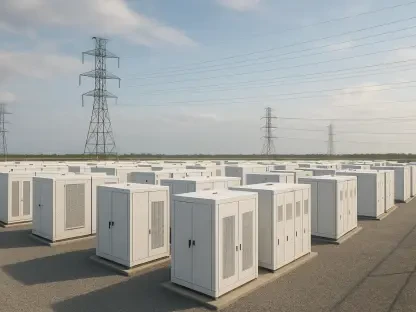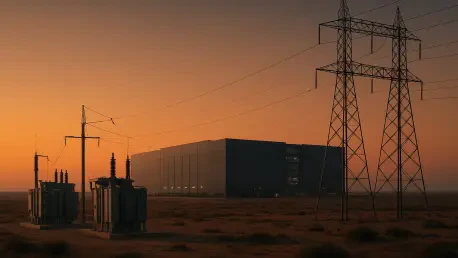

The sheer scale of the energy demand currently sitting in the Texas interconnection queue is difficult to comprehend, as it now represents more than five times the state’s record peak electricity consumption. For years, the so-called Texas Miracle was built on a foundation of deregulation and an open-door policy for heavy industry, but the arrival of the AI-driven data center boom has pushed this philosophy to its absolute breaking point. In August 2026, the state government shifted from being a primary recruiter for tech giants to a cautious gatekeeper, issuing a directive that effectively halts the progress of massive digital infrastructure projects. This pivot marks the end of an era where digital growth was prioritized over the stability of the physical power grid that serves millions of residents.
The decision was not made in a vacuum but as a response to a looming crisis of reliability. With 474 gigawatts of new power requests currently pending, the Electric Reliability Council of Texas (ERCOT) faces a logistical nightmare that threatens to overwhelm existing transmission lines and generation capacity. Governor Abbott’s recent directive serves as an emergency brake, intended to protect the grid from a surge that it was never designed to handle. This move signals a fundamental change in how the state manages its energy resources, moving away from a first-come, first-served model toward a more regulated and scrutinized approval process.
The 474-Gigawatt DilemmWhy Texas Just Hit the Emergency Brake
The current reality of the Texas grid is a staggering queue that dwarfs the state’s actual peak demand of approximately 85 gigawatts. When the volume of requested interconnections exceeds the record peak by five times, the risk of systemic failure becomes a matter of when rather than if. The state can no longer afford an open-door policy for digital infrastructure, especially when data centers account for roughly 90% of these new power requests. This massive backlog has created a bottleneck that prevents necessary energy projects from moving forward, as the system struggles to differentiate between viable developments and those that are merely aspirational.
Governor Abbott’s August 2026 directive represents a significant departure from the aggressive recruitment strategies seen in previous years. The state has realized that the rapid expansion of Bitcoin mines and massive AI facilities poses a unique threat to the “reliability and stability” of the energy market. By hitting the brake, the administration is attempting to safeguard the life-sustaining utility systems that support the state’s burgeoning population. This protective regulation is a necessary pivot to ensure that the economic engine of Texas does not stall due to its own success.
Why the Lone Star State Is Reevaluating the Digital Gold Rush
A major driver behind this regulatory pause is the phenomenon of developers “squatting” on grid capacity. Many of the projects currently in the interconnection queue are speculative in nature, designed to secure a spot in the line without firm financial backing or a concrete construction timeline. These phantom loads create an artificial scarcity of grid access, making it difficult for serious investors to bring real projects online. The state has decided that it can no longer allow the queue to be clogged by entities that have no intention of breaking ground in the near future.
The unique vulnerability of the independent ERCOT grid makes this issue even more pressing for Texas compared to other national power systems. Unlike the Eastern or Western Interconnections, Texas operates a largely isolated grid that cannot easily import massive amounts of power from neighboring states during times of stress. This independence, while a point of pride, means that every gigawatt of demand added to the system must be balanced by local generation. Texas is now following a national trend seen in states like New York, treating data centers as complex infrastructure challenges rather than simple economic drivers.
Inside the Three-Pillar Audit: The New Standards for Texas Data Centers
The Governor has mandated a rigorous three-pillar audit designed to verify the legitimacy and sustainability of every proposed facility. The first pillar focuses on energy self-sufficiency and grid independence, shifting the burden of infrastructure away from the public. Projects will now be evaluated on their ability to provide on-site power generation rather than relying exclusively on public grid resources. This effectively ends the “free ride” for facilities that consume massive amounts of energy without contributing to the state’s overall generation capacity.
Water resource management constitutes the second pillar of the new regulatory standard. Data centers are high-consumption industrial users, often requiring millions of gallons of water for cooling systems that can strain local community supplies. The audit mandates the disclosure of projected annual and peak usage, alongside a requirement to implement recycling and reuse technologies. This ensures that the digital economy does not compete with the basic needs of Texas residents during periods of drought or water scarcity.
The third pillar of the audit focuses on financial transparency and the scrutiny of public incentives. The state is evaluating the use of tax abatements and grants for high-impact projects to ensure that public resources are not being wasted on projects that jeopardize grid integrity. By distinguishing between self-funded enterprises and those dependent on government assistance, the audit aims to prioritize investments that offer the highest value with the lowest risk to the state’s utility infrastructure.
Immediate Consequences: The Suspension of ERCOT’s Batch Zero
The most immediate fallout of this directive was the freezing of ERCOT’s Batch Zero transmission planning study. This study was intended to be the foundational review for the state’s new large-load interconnection framework, but it has now been halted indefinitely. ERCOT has indicated that it will seek a good-cause exemption from the Public Utility Commission to deviate from regular timelines, signaling that the pause on new interconnections could last much longer than originally anticipated. This delay creates a significant hurdle for developers who had already committed capital to Texas projects.
Legal and investment risks have spiked following the suspension, with experts warning of contract termination rights and lender security interests being called into question. Companies that rely on strict timelines for data center deployment now face an uncertain future in the Texas market. Legal firms have already begun advising clients to conduct thorough reassessments of their portfolios, as the “indeterminate duration” of the pause could lead to the failure of projects that are unable to weather a long-term regulatory wait.
Strategic Framework for Developers Navigating the New Regulatory Landscape
To navigate this new landscape, developers must transition from speculative planning to a grid-supportive development model. This means moving away from a total reliance on the ERCOT grid and toward the integration of on-site generation, such as natural gas turbines or large-scale battery storage. By demonstrating that a project can be energy-neutral or even contribute back to the grid during peak demand, developers can bypass some of the regulatory bottlenecks currently stalling the industry.
Engagement with the Data Center Coalition and proactive internal audits have become essential for any serious investor. Differentiating a project from the “queue bloat” requires a high degree of transparency regarding water sourcing and financial stability. Developers who took the initiative to align their projects with the state’s new transparency requirements found themselves in a much stronger position. Those who continued to rely on outdated models of rapid, unscrutinized growth discovered that the path forward in Texas was no longer guaranteed.
The regulatory shift in Texas eventually provided a necessary filter that separated viable infrastructure from speculative ventures. Stakeholders who prioritized on-site power generation and advanced water recycling technologies successfully aligned their goals with the state’s requirement for grid reliability. The implementation of the three-pillar audit turned a period of uncertainty into a structured roadmap for sustainable digital expansion. This decisive action ensured that the state’s power grid remained resilient, providing a clear blueprint for other regions to manage the intersection of technology and utility stability.