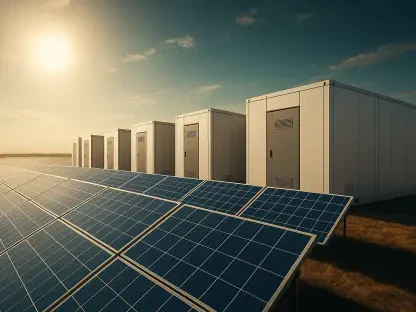

Energy independence becomes a more attainable goal when homeowners leverage the existing battery capacity of their vehicles rather than purchasing expensive standalone units. While residential solar panels are common, the limiting factor remains the storage capacity of stationary wall units. A standard home battery offers roughly 13.5 kilowatt-hours, which often struggles to sustain a household through a peak summer afternoon when cooling demand is high. In contrast, an electric vehicle like a long-range Tesla or Ford F-150 Lightning houses a battery pack five to seven times larger than a typical wall unit. This massive disparity has prompted a shift in how property owners view their driveways. Instead of seeing a car as a depreciating asset for transport, it is viewed as a mobile power station capable of keeping a home operational for days. This transforms the vehicle into a critical component of a resilient energy ecosystem, providing a dual-purpose value that stationary batteries cannot match.
The Economics: Maximizing Value from Rolling Assets
The financial implications of integrating a vehicle into the home power grid center on the concept of peak shaving and load management. In regions with time-of-use pricing, electricity costs skyrocket during early evening hours when demand peaks. By leveraging bi-directional charging, a homeowner can draw power from their vehicle during these expensive windows and recharge the car overnight when rates are lowest. This cycle reduces the monthly utility bill and lessens the overall strain on the local electrical grid, contributing to a more stable infrastructure. The return on investment for such a setup is faster than a traditional standalone battery because the cost of storage is already part of the vehicle price. This makes the adoption of vehicle-to-home technology an attractive proposition for those seeking to maximize the utility of their automotive purchase. By turning a parked car into a revenue-saving tool, users can offset the total cost of ownership while enhancing energy security.
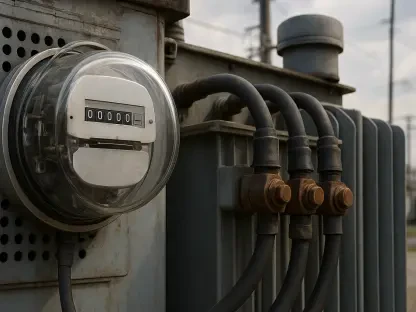
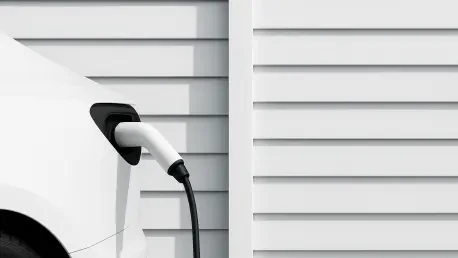
Transitioning to this model requires a sophisticated understanding of the hardware required to bridge the gap between the vehicle and the house. Standard chargers are designed for one-way flow, meaning a specialized gateway or bi-directional inverter is necessary to feed electricity back into the main breaker panel. Manufacturers like Tesla and Ford have introduced systems that simplify this process, yet the installation often involves electrical upgrades to ensure safety and compliance with local codes. These upgrades must be handled by certified technicians who can verify that the system will automatically disconnect from the grid during a blackout, preventing power from backfeeding into utility lines and endangering repair crews. While the initial setup cost for this infrastructure can be substantial, it is a one-time investment that unlocks the full potential of the vehicle battery for its service life. This hardware foundation is the essential link that enables the vehicle to function as a reliable backup.
Technical Synergy: Hardware and Software Integration
Despite the hardware advantages, the current landscape of vehicle-to-home integration is heavily dependent on the maturity of the controlling software. Many vehicles with the physical capability for bi-directional power exchange still await firmware updates to enable these features. This creates a situation where early adopters must monitor manufacturer release notes and ensure their vehicles are compatible with specific home energy management platforms. Furthermore, the automation of these systems is a critical factor for daily convenience; a truly effective setup should operate without constant manual intervention, switching between the car and the grid based on real-time price signals or emergency alerts. As software continues to evolve, the integration will become increasingly seamless, allowing homeowners to set preferences via a mobile application and rely on the system to manage energy flows efficiently. The focus is now on creating a unified ecosystem where the car and home communicate in real time.
The successful implementation of vehicle-to-home technology required a strategic assessment of both the physical equipment and the long-term goals of the household. Homeowners who prioritized flexibility and energy security found that the initial complexity of the installation was outweighed by the long-term savings and reliability of the system. To move forward, it was essential to conduct a thorough audit of the home electrical capacity and consult with professionals who specialized in bi-directional charging infrastructure. The focus shifted toward choosing vehicles that offered guaranteed software support and robust battery management systems to mitigate concerns about degradation. By treating the electric vehicle as a central pillar of the home energy strategy, consumers were able to achieve a level of self-sufficiency that was previously reserved for those with expensive setups. This proactive approach turned a standard automotive purchase into a foundational investment for a modern and highly efficient living environment.