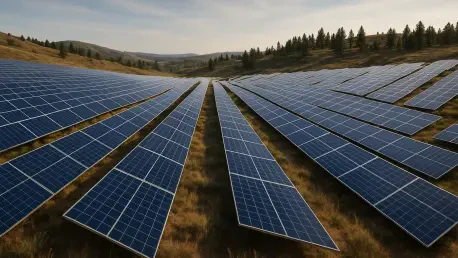

The integration of a 149-megawatt battery storage system with solar generation ensures that the repurposed coal land will contribute to the long-term stability of the regional power grid. This development in Vinton County represents a sophisticated shift in how utility companies approach the transition to renewable energy in the heart of coal country. By moving away from the controversial use of active agricultural land, the project has managed to secure a rare, unanimous approval from state regulators, providing a blueprint for future infrastructure. Large-scale solar projects in the Midwest have often been slowed by local concerns regarding the preservation of fertile soil and the changing aesthetics of the rural landscape. However, the Hamden Energy project avoids these pitfalls by utilizing a brownfield site that has already been significantly altered by industrial activity. This approach highlights a growing consensus that the key to a faster transition lies in the reuse of legacy industrial sites.
Strategic Land Selection: Avoiding the Farmland Conflict
Repurposing Industrial Sites: The Brownfield Advantage
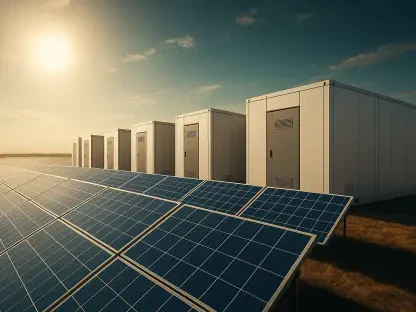
The developer, Recurrent Energy, has specifically engineered this facility to maximize the potential of land that was once a hub for the extraction of iron, clay, and coal. This 149-megawatt solar array is coupled with a massive battery storage system, which allows the facility to store excess energy produced during the day and release it when demand peaks in the evening. This configuration is essential for modernizing the regional grid, as it provides the kind of dispatchable power that was traditionally only available from fossil fuel plants. For Vinton County, where the poverty rate remains near 19 percent, the project offers an essential economic lifeline through tax revenue and job creation. By transforming underutilized land into a source of high-tech production, the project helps to revitalize a local economy that has struggled with the decline of its traditional industrial base. This transformation demonstrates that former mining towns can remain central players in the modern energy sector.
Navigating Local Policy: Overcoming Regulatory Hurdles
Navigating the legal landscape in Ohio has become increasingly complex following a 2021 law that granted county officials the power to veto renewable energy projects while exempting other forms of generation from the same oversight. Despite this potential barrier, the Hamden Energy project faced no formal opposition, largely because its location on a brownfield site addressed the primary grievances of local communities. By choosing to build on land that was already slated for reclamation, the developers effectively neutralized the food versus fuel debate that has stalled many other solar initiatives across the state. This strategic foresight allowed the project to move through the Ohio Power Siting Board’s review process with speed and consensus. The success of this strategy suggests that community engagement is most effective when it begins with site selection that respects the existing values and economic priorities of the local area. It proves that clean energy can flourish if projects complement existing industries.
Building for the Future: Engineering and Global Models
Technical Considerations: Managing Soil and Infrastructure
While the social and political path for this project was smoother than average, the physical development of a reclaimed coal mine presents unique geotechnical challenges that require significant capital investment. Building heavy infrastructure on disturbed soil necessitates rigorous engineering to account for uneven settling, potential acidic runoff, and the presence of residual mining debris. Recurrent Energy has committed to a phased construction timeline that depends on the completion of environmental reclamation work by the current permit holder, Cheyenne Resources. This partnership ensures that the site is fully stabilized and meets all state environmental standards before any solar panels are installed, minimizing the risk of long-term land degradation. Although these technical requirements make brownfield development more expensive than building on flat greenfield sites, the reduction in regulatory delays often makes it a more cost-effective choice in the long run. The integration of advanced surveys allows the project to turn a liability into a grid asset.
A Regional Template: Driving Economic and Environmental Value
The Hamden Energy project concluded its initial approval phase as a definitive model for the redevelopment of legacy energy communities across the United States. Observers noted that the project successfully aligned with international trends seen in places like Scotland and Illinois, where retired industrial sites were converted into renewable hubs to maintain grid stability. The lessons learned from the Vinton County implementation highlighted the necessity for state governments to provide clear incentives for brownfield redevelopment to offset the higher engineering costs. Financial analysts observed that the long-term tax stability provided to the local community acted as a catalyst for broader regional support, transforming skeptics into active stakeholders. Moving forward, it was recommended that developers prioritize early collaboration with mining entities to identify similar sites before the design phase begins. By treating the energy transition as a collaborative effort, the industry showed that agricultural and energy goals were compatible.