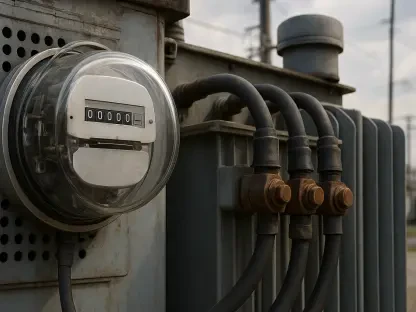

The intersection of extreme weather and public safety is most visible when thousands of customers lose the ability to safely store food and medication. When severe thunderstorms sweep across El Paso County, the fragility of localized infrastructure becomes a central concern for residents and city officials alike. Recent atmospheric disturbances have disconnected more than 7,000 homes from the electrical supply, leaving vast sections of East El Paso in total darkness during peak summer periods. In a region where triple-digit temperatures are commonplace, the loss of air conditioning quickly shifts from a matter of discomfort to a life-threatening emergency. Beyond the heat, the interruption of service disrupts the essential rhythms of daily life, highlighting a systemic dependence on a grid that must withstand environmental pressures. This situation serves as a reminder that modern convenience is tethered to a vulnerable network of wires that require constant monitoring and care.
Economic and Health Risks: The Hidden Costs
The sudden loss of power initiates a cascade of economic risks that extend far beyond a momentary inconvenience. For families living on restricted budgets, a single prolonged outage can result in hundreds of dollars in spoiled groceries, representing a financial setback that is often difficult to absorb within a monthly pay cycle. These localized events also place a heavy burden on the utility provider, as emergency repairs and equipment replacements necessitate significant capital expenditures. Over time, these costs are frequently passed down to the consumer base in the form of higher utility rates, creating a cycle where increasing storm frequency leads to rising financial strain for all residents. Moreover, the interruption of commercial operations during these storms reduces local productivity and can lead to lost wages for hourly employees who cannot perform their duties without a stable supply, further destabilizing the economic resilience of the community during intense storms.
The human element of a grid failure is felt most by those with chronic medical conditions who rely on electrically powered devices for survival. When oxygen concentrators or dialysis machines lose power, the situation immediately escalates into a medical crisis that strains the resources of first responders and local emergency rooms. Additionally, the inability to charge mobile phones or access home internet prevents the dissemination of critical information, effectively isolating vulnerable populations from emergency alerts and real-time updates. This communication blackout is particularly dangerous when storms occur in rapid succession, as residents may be unaware of developing flash flood warnings or additional severe winds. The psychological toll of being trapped in a sweltering home without a means of contacting help is significant, reinforcing the necessity for emergency management strategies that prioritize rapid reconnection and specific support for at-risk individuals in this region.
Modernizing the Grid: Future Resilience
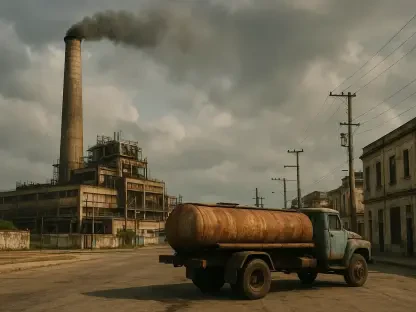
The challenges facing El Paso Electric are reflective of a broader national trend where aging infrastructure is forced to contend with extreme weather patterns that exceed original design specifications. Within the specific context of the Texas energy landscape, where the grid has faced intense scrutiny regarding its overall stability, these localized outages highlight the urgent need for comprehensive modernization. Atmospheric disturbances, including high-velocity winds and intense lightning, often target the weakest points in the distribution network, exposing areas where wooden poles and overhead lines remain susceptible to damage. While undergrounding utility lines is often proposed as a solution, the prohibitive cost and logistical complexity remain significant hurdles for regional planners. Consequently, the focus has shifted toward implementing smart grid technologies and automated reclosers that can isolate faults and restore power to unaffected segments with efficiency.
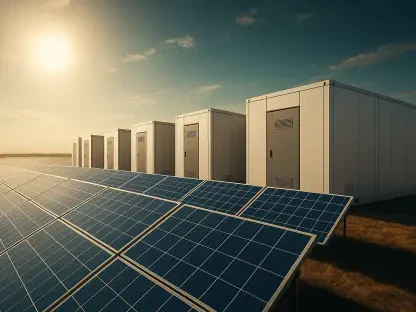
The recent outages served as a definitive turning point for regional energy policy and emergency response strategies within West Texas. Municipal leaders and utility executives recognized that the traditional reactive approach to storm damage was no longer sufficient given the increasing frequency of severe weather. In response, they pivoted toward a strategy that prioritized proactive infrastructure hardening and the integration of predictive analytics to anticipate potential failure points before storms arrived. The focus shifted toward building a more resilient system that incorporated distributed energy resources and enhanced communication protocols between the utility and public safety agencies. This transition allowed for a more coordinated response to service interruptions, ensuring that the most vulnerable residents received priority assistance. By investing in these advanced technologies, the region established a framework that improved public safety and reduced the long-term impact of disasters.