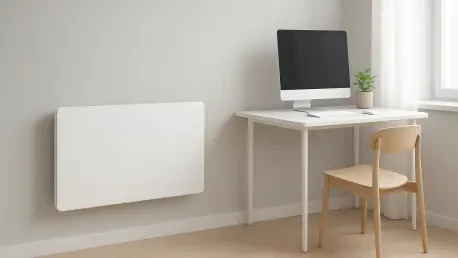

Achieving a ten-degree Fahrenheit temperature increase in just thirty-three minutes serves as the performance benchmark for top-tier infrared heating units. This standard highlights the critical evolution of supplemental heating technology as consumers in 2026 prioritize both rapid comfort and operational efficiency. The current energy landscape has shifted dramatically, moving away from the broad and often wasteful application of central heating for entire structures. Instead, the focus has narrowed toward the precision of zone heating, where thermal energy is directed exclusively into occupied living spaces. This targeted approach allows for a substantial reduction in the workload placed on primary HVAC systems, enabling homeowners to maintain a lower ambient temperature throughout the house while remaining perfectly comfortable in the specific rooms they inhabit. Modern engineering has finally aligned with environmental necessity, producing a generation of heaters that consume less power while delivering more effective heat distribution than the models seen in years past.
The methodology behind the latest evaluations involved a rigorous assessment of thirteen prominent models that currently dominate the market. These devices were not merely tested in laboratory environments but were placed in real-world residential settings to gauge their practical performance. By measuring the speed of heat delivery, the accuracy of digital thermostats, and the responsiveness of safety sensors, the analysis aimed to provide a definitive guide for those seeking to balance utility costs with home comfort. The results underscore a growing trend toward “heat-per-watt” optimization, where the physical design of the unit—ranging from wood-encased infrared cabinets to sleek oscillating ceramic towers—plays a vital role in how effectively energy is converted into a perceptible rise in temperature. As electricity prices continue to fluctuate, the ability to choose a device that maximizes every kilowatt-hour has become an essential component of household management.
Core Analysis Objectives: Evaluating Diverse Heating Technologies
The fundamental goal of this comprehensive review was to dissect the technical capabilities of various heating methods to determine which technology suits specific residential needs. Infrared heating has emerged as a front-runner for those seeking immediate, radiant warmth, as it operates by heating objects and people directly rather than struggling to warm large volumes of air. This efficiency is particularly noticeable in rooms with higher ceilings or those prone to drafts, where traditional air-warming methods often fail to provide consistent comfort. By bypassing the limitations of convection alone, infrared units offer a specialized solution that feels more like the warmth of the sun, making them an ideal choice for localized heating where the user remains in a relatively fixed position, such as a home office or a favorite reading chair.
In contrast, ceramic and micathermic technologies provide a different set of advantages based on the movement of air and the use of hybrid heating elements. Ceramic heaters utilize specialized plates and aluminum fins to generate heat, which is then dispersed throughout a room using integrated fans. This convection-based approach is highly effective for raising the overall temperature of a space relatively quickly, though it can sometimes result in “hot spots” if the air is not properly circulated. Micathermic heaters represent a sophisticated middle ground, using mica-clad elements to emit both radiant waves and convection currents. This dual-action performance ensures that the room feels warm almost immediately through radiant energy, while the convection component provides a lasting increase in the ambient temperature. Testing these distinct technologies allowed for a nuanced understanding of how different mechanical designs impact energy consumption and user experience.
Top Performers: Balance of Efficiency and Material Quality
Among the top-performing models, the Dr. Infrared DR-968 distinguished itself as a premier example of how form and function can converge to create a highly efficient heating solution. During testing in a 156-square-foot room, the unit demonstrated exceptional thermal output by raising the ambient temperature significantly within a narrow thirty-three-minute window. Its physical construction, featuring a sophisticated wood cabinet, serves a dual purpose by allowing the device to blend seamlessly with high-end home decor while providing a stable, cool-to-the-touch exterior. The integration of an “Auto” mode proved to be one of its most valuable features, as it intelligently cycles the heating elements on and off based on the real-time readings from its internal thermostat. This prevents the wasteful energy spikes often caused by manual adjustments and ensures that the device only draws power when it is strictly necessary to maintain the user’s desired comfort level.
While premium models offer specialized aesthetics, the market also provides exceptional value through devices like the Lasko Electric Oscillating Ceramic Tower. This unit achieved its thermal targets in roughly twenty minutes by utilizing its 1,500-watt capacity alongside an effective oscillation feature. The movement of the heater head is crucial for preventing the buildup of heat in a single corner of the room, ensuring that the warm air is mixed thoroughly and that the thermostat receives an accurate reading of the overall environment. For consumers who need reliable, high-output heating without the investment required for luxury models, such tower heaters provide a pragmatic solution. The ceramic construction ensures that the exterior remains safe for household members to touch, even after extended periods of operation, making it a versatile choice for high-traffic areas where both efficiency and safety are paramount.
Smart Integration: The Rise of Connected Thermal Management
The evolution of the smart home has naturally extended into the realm of supplemental heating, with the Heat Storm HS-1500-PHX representing the pinnacle of connected thermal technology. This unit integrates Wi-Fi capabilities that allow users to manage their home climate through a dedicated smartphone application, providing a level of control that was once reserved for high-end central HVAC systems. From any location, a homeowner can monitor the current temperature of a room, adjust the heater’s output, and set complex schedules that align with their daily routines. This connectivity directly contributes to energy efficiency by ensuring that the heater is never left running in an empty room and can be activated shortly before the occupant arrives. While the testing noted some minor challenges with mounting hole alignment, the overall versatility of the device, including its ability to be wall-mounted to save floor space, makes it a strong contender for modern living environments.
For those who prioritize a quiet atmosphere, the De’Longhi HMP1500-6A micathermic panel offers a specialized solution that avoids the mechanical noise associated with high-speed fans. By using mica stone elements to produce electromagnetic waves, this heater provides a silent, steady warmth that is ideal for bedrooms or recording studios where noise pollution must be kept to a minimum. The radiant nature of micathermic heating means that the air does not become overly dry or agitated, preserving a more natural indoor climate. However, the testing also highlighted that the efficiency of this model comes with the trade-off of a very hot front panel, requiring users to be mindful of placement, especially in households with small children or pets. When used correctly, however, this technology offers one of the most consistent and unobtrusive heating experiences available in the current market, combining the benefits of several heating styles into a single, slim-profile device.
Safety-First Engineering: Solutions for High-Moisture and Unattended Areas
The unique challenges posed by moisture-heavy environments like bathrooms require specialized engineering, a demand met by the Lasko Ceramic Bathroom Heater. Standard space heaters can pose significant electrical risks in the presence of water, but this model features an integrated Appliance Leakage Current Interrupter (ALCI) plug. This safety mechanism is designed to detect any electrical imbalance caused by water contact and immediately shut off power to the unit, preventing potential shocks or fires. During controlled testing, the ALCI plug successfully tripped when the unit was exposed to moisture, proving its reliability in high-risk zones. The simplicity of its design, featuring a large, single-button interface, ensures that users can operate the device easily even with wet hands, making it a critical tool for those who wish to maintain warmth during cold winter mornings without compromising on safety standards.
In unoccupied or low-traffic areas like basements, the primary concern is often the prevention of frozen pipes rather than the comfort of occupants. The De’Longhi SlimStyle Digital Convection heater addresses this need through its dedicated antifreeze mode, which allows the unit to remain dormant until the temperature drops to a critical threshold of forty-five degrees Fahrenheit. This represents a massive leap in energy efficiency compared to standard heaters that often cannot be set lower than sixty degrees. By only activating when the structural integrity of the home is at risk, the SlimStyle saves significant amounts of electricity over the course of a winter season. This specialized application demonstrates how modern heating technology is moving toward more nuanced roles, providing owners with the ability to protect their property with minimal energy expenditure through intelligent, sensor-driven operation.
Universal Trends: Defining the Current Industry Standards
As the testing of these thirteen units progressed, a clear 1,500-watt benchmark emerged as the industry standard for consumer-grade space heaters. This power level is carefully calibrated to provide maximum thermal output without exceeding the capacity of a standard 120-volt household circuit, which typically supports up to fifteen amperes. By capping power draw at this level, manufacturers ensure that their devices can be used safely in most residential rooms without the risk of tripping circuit breakers. This consistency across the market means that the real differentiation between models lies not in the amount of raw power they consume, but in how effectively they manage that power through advanced internal thermostats and heat-dispersion mechanics. The era of the “dumb” space heater that simply stays on or off has largely passed, replaced by devices that treat every watt as a valuable resource.
Furthermore, the data collected during these reviews indicates that the precision of a digital thermostat is the single most important factor in determining the overall energy efficiency of a heater. Units equipped with accurate sensors and clear digital displays consistently outperformed those with manual dials, as they were able to maintain a stable environment within a one- or two-degree variance. This precision prevents the common cycle of overheating a room and then allowing it to cool too much, which is both uncomfortable and wasteful. Additionally, the move toward silent operation has become a dominant trend, with technologies like infrared and micathermic heating gaining popularity because they do not rely on loud, energy-consuming fan motors. This shift reflects a broader consumer demand for home appliances that perform their duties effectively while remaining essentially invisible to the senses of sight and sound.
The Science of Sizing: Calculating Thermal Needs and Costs
Effective zone heating requires a fundamental understanding of the “10 Watts Per Square Foot” rule, which serves as the gold standard for sizing a heater to a specific room. This calculation ensures that a device has enough capacity to raise the temperature to a comfortable level without being forced to run continuously at its maximum setting. For example, a standard 1,500-watt heater is perfectly suited for a 150-square-foot room, providing the necessary thermal density to achieve and maintain the desired climate efficiently. If a heater is undersized for a space, it will struggle to reach the target temperature, leading to excessive wear on the heating elements and a higher overall energy bill. Conversely, an oversized heater in a very small room may cycle on and off too frequently, which can reduce the lifespan of the internal components and lead to uneven heat distribution.
Operational costs remain a central concern for consumers, and the 2026 evaluations provided a clear picture of what it costs to run these devices in a typical household. On average, operating a 1,500-watt heater for a full twenty-four-hour period costs between $7.00 and $9.00, depending on local electricity rates. While this daily cost might seem substantial, it is crucial to view it in the context of whole-home heating savings. By utilizing a space heater in the one or two rooms that are actually occupied, homeowners can significantly lower the thermostat on their central gas or electric furnace. The financial benefit is realized through the avoidance of heating thousands of cubic feet of unoccupied space, such as guest rooms, hallways, and storage areas. When implemented as part of a thoughtful zone-heating strategy, these devices pay for themselves over the course of a single winter through the reduction of primary utility bills.
Essential Safety Protocols: Maintaining a Secure Heating Environment
Despite the advanced safety features integrated into modern heaters, the human element remains a vital component of a secure home environment. The “three-foot rule” continues to be the most important guideline for the safe operation of any supplemental heating device. This rule mandates that all combustible materials, including curtains, upholstery, bedding, and loose papers, must be kept at a minimum distance of three feet from the front and sides of the heater. Even units labeled as “cool-touch” or those with advanced thermal cutoffs still vent significant amounts of heat that can cause items to ignite over time through radiant energy transfer. Ensuring a clear perimeter around the heater allows for proper airflow and eliminates the primary cause of heater-related home fires, maintaining the delicate balance between warmth and safety.
Another non-negotiable safety standard is the requirement that space heaters be plugged directly into a wall outlet rather than an extension cord or power strip. These devices draw a heavy, continuous electrical load that can easily overwhelm the internal wiring of standard cords, leading to overheating and potential melting of the plastic insulation. Most home fires associated with space heaters are actually caused by the failure of the electrical delivery system rather than the heater itself. Furthermore, placement on a flat, hard, non-flammable surface is essential for ensuring that the unit remains stable and that its air intakes are not blocked. Placing a heater on a thick carpet can not only create a tipping hazard but can also cause the device to overheat internally as the fibers obstruct the necessary ventilation pathways. By following these foundational protocols, users can enjoy the benefits of energy-efficient warmth with complete peace of mind.
Expert Methodology: The Path to Reliable Consumer Guidance
The integrity of this review rests on a standardized testing methodology that strips away the promotional claims of manufacturers to reveal the true capabilities of each device. Every heater in the group was subjected to a “5-degree test,” where the team recorded the exact amount of time required to raise the temperature of a controlled room by five degrees Fahrenheit. This provided a concrete, data-driven metric for comparing the speed of different technologies, such as how quickly a convection heater moves air versus how fast an infrared unit provides radiant comfort. Beyond thermal performance, the team conducted “safety torture tests” on features like tip-over switches and overheat sensors, ensuring that these mechanical safeguards functioned perfectly every time the unit was displaced or restricted. This level of scrutiny ensures that only the most reliable and effective products receive a recommendation.
In addition to physical performance, the user interface and overall build quality were heavily scrutinized to ensure they met the standards of modern living. Testers evaluated the intuitiveness of remote controls and the visibility of digital displays, checking if they were legible from across a room while not being so bright as to disturb sleep in a dark bedroom. This attention to detail reflects the reality that a space heater is an appliance that must integrate seamlessly into the daily lives of its users. By combining technical data with practical observations on noise levels and portability, the analysis provided a holistic view of the 2026 market. This rigorous approach empowered consumers to make informed decisions based on their specific priorities, whether they were looking for the highest possible energy efficiency, the most advanced smart features, or the most robust safety protections available in supplemental heating today.
Concluding Considerations: Strategic Heating Solutions for the Modern Home
The comprehensive evaluation of energy-efficient space heaters in 2026 demonstrated that the most effective way to manage home comfort involves a combination of high-quality technology and strategic usage. By analyzing thirteen diverse models, it was clear that no single heater serves as the perfect solution for every scenario, but rather that different designs excel in specific environments. Consumers found success by matching the technology to the room’s function—utilizing infrared units for immediate personal warmth and convection or micathermic panels for whole-room temperature maintenance. The data indicated that prioritizing units with precise digital thermostats and specialized modes, such as the antifreeze setting for basements, significantly reduced unnecessary energy consumption while protecting the structural integrity of the home.
Moving forward, the primary takeaway from the current testing cycle suggested that homeowners should adopt a more deliberate approach to zone heating. This involves not only selecting a heater with a high heat-per-watt ratio but also maintaining the device through regular cleaning and adhering to strict safety protocols regarding placement and electrical connections. The integration of smart home technology has further enhanced this strategy, allowing for more granular control over thermal schedules and remote monitoring. As the industry continues to refine these devices, the focus will likely remain on reducing noise and improving the speed of heat delivery. Ultimately, the best path toward an energy-efficient winter was found in the careful application of these tested tools, ensuring that warmth was provided exactly where and when it was needed most.