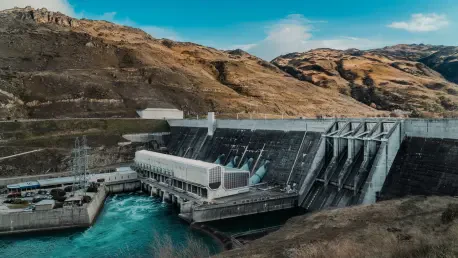

The installation of UNITROL® 8000 excitation systems across five generating units will allow the Vikfalli complex to meet increasingly stringent modern grid codes. This strategic initiative, overseen by Statkraft, Europe’s leading producer of renewable energy, focuses on three integral power stations within the Vikfalli system in western Norway. By replacing aging components with high-performance excitation technology, the project ensures that these critical assets continue to provide reliable power while responding dynamically to the complexities of the contemporary European energy market. The upgrade addresses the fundamental need for precise control over voltage and reactive power, which is essential for maintaining the integrity of the transmission network as intermittent sources like wind and solar become more prevalent. This investment signals a broader commitment to sustainable engineering, ensuring that traditional hydropower remains the backbone of the region’s decarbonization strategy for decades.
Integrating Advanced Control Systems
Technical Precision: The UNITROL 8000 Implementation
The integration of the UNITROL 8000 series represents a significant leap forward in excitation technology, specifically designed for high-demand environments where reliability is non-negotiable. These systems function as the central brain of the synchronous generator, regulating the magnetic field to control both output voltage and reactive power flow. For a complex like Vikfalli, which operates under varying seasonal water levels and shifting load demands, this level of precision allows for much faster response times compared to the legacy equipment currently in place. The hardware architecture is modular, allowing for easier maintenance and the potential for future expansions or updates without necessitating a complete system overhaul. By utilizing a robust digital interface, the excitation units communicate seamlessly with the overall plant control systems, providing operators with high-resolution data regarding generator performance. This granular level of control is vital for preventing equipment stress and optimizing the overall efficiency of the energy conversion process.
Enhancing Grid Resilience: Beyond Basic Generation
Modern grid codes have evolved significantly as power networks become more decentralized and reliant on variable renewable sources, creating a need for legacy plants to adapt. The UNITROL 8000 systems are specifically engineered to satisfy these updated regulatory requirements, offering advanced features such as Power System Stabilizers that dampen low-frequency oscillations. These oscillations, if left unchecked, can lead to instability or even localized blackouts, making the excitation system a frontline defense for grid security. In the Norwegian context, where hydropower provides the vast majority of electricity, the ability of plants like Vikfalli to provide ancillary services like frequency regulation is indispensable. The upgrade ensures that the complex can support the national grid operator in maintaining a steady 50 Hz frequency, even during periods of high turbulence in the wider European network. Consequently, this modernization is not just an internal facility improvement but a critical contribution to the overall robustness of the Northern European electrical infrastructure.
Strategic Impact on the Norwegian Energy Landscape
Operational Efficiency: Maximizing Existing Hydropower Potential
The decision to modernize the Vikfalli site highlights a growing trend in the energy sector where the optimization of existing brownfield assets takes precedence over new developments. Hydropower facilities are massive capital investments with long life cycles, but their secondary systems, such as electronics and controls, often reach the end of their useful lives much sooner than the turbines and dams. By focusing on these digital and electronic upgrades, Statkraft can achieve significant performance gains with a fraction of the environmental impact or capital expenditure required for a new dam. This approach reflects a sophisticated understanding of resource management, where technological precision is used to squeeze every possible kilowatt-hour from the existing water flow. The collaboration between ABB and Statkraft also emphasizes the importance of deep industrial partnerships, where the equipment manufacturer provides not just hardware, but ongoing technical support and expertise. This synergy ensures that the project remains on schedule and that the implemented solutions are perfectly tailored to the specific hydrological conditions found in the Norwegian mountains.
Future-Proofing Infrastructure: Sustaining Long-Term Renewable Goals
The completion of the modernization project at the Vikfalli complex established a new benchmark for the sustainable management of Norway’s most precious natural resource. By prioritizing the upgrade of critical control systems, the initiative successfully secured the operational integrity of the Vik, Mørre, and Kvitno stations for the coming decades. Moving forward, the industry took note of how these targeted technological interventions provided a more rapid and less invasive path to grid compliance than complete plant reconstructions. Stakeholders recognized that the success of this project necessitated a shift toward more integrated digital ecosystems across all forms of renewable generation. The lessons learned from the Vikfalli installation served as a catalyst for subsequent investments in automated monitoring and advanced excitation across the Nordics. As a result, the project concluded by offering a clear roadmap for other operators to enhance their resilience in an increasingly complex global energy landscape. Future considerations remained focused on the continuous refinement of control algorithms to further improve the synergy between hydropower and variable wind energy.