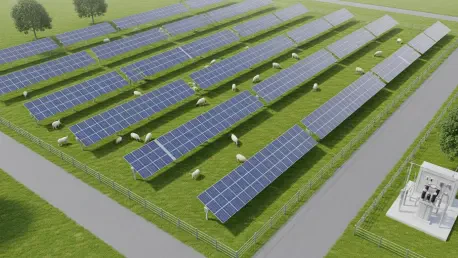

The rapid expansion of utility-scale solar installations across rural landscapes has sparked a complex dialogue regarding the preservation of fertile topsoil versus the urgent need for sustainable energy production. In Warren County, this tension is particularly palpable as local officials and landowners weigh the financial incentives of leasing acreage to energy firms against the long-standing cultural and economic identity rooted in traditional agriculture. Modern agrivoltaic systems present a potential middle ground, allowing for the dual use of land where crops continue to grow beneath elevated solar panels or livestock grazes between the rows of photovoltaic cells. This transition represents a significant shift from the binary choice of food or fuel, offering a sophisticated model where renewable infrastructure supports farm viability during periods of volatile commodity prices. As the region navigates these changes from 2026 to 2030, the outcome will likely define the rural economy.
The Economic and Environmental Resilience of Agrivoltaic Systems
Integrating solar arrays into active farm operations provides a stabilized revenue stream that shields agricultural families from the unpredictable nature of global markets and extreme weather patterns. By diversifying income through long-term lease agreements with energy developers, farmers can secure the capital necessary to invest in advanced machinery or more efficient irrigation systems that they might otherwise struggle to afford. This financial cushion is essential for maintaining the local workforce, as the presence of solar projects creates a demand for specialized maintenance roles and seasonal land management services. Furthermore, the shade provided by solar panels can actually benefit certain crops by reducing evaporation and protecting plants from the heat stress that has become common. This cooling effect allows for a more controlled microclimate that can lead to higher yields for specific vegetables, effectively turning the solar infrastructure into a functional asset for the biology of the farm.
Building on these economic foundations, the broader county economy gains significantly from the increased tax base generated by large-scale solar developments without the burden of increased public service costs. Unlike residential subdivisions, which require new schools, roads, and emergency services, solar farms contribute substantial property tax revenue while remaining largely passive occupants of the land. This influx of public funds can be directed toward improving rural infrastructure or lowering the tax burden for residents who do not have energy projects on their properties. Moreover, the environmental benefits of transitioning to clean energy align with broader regional goals of reducing carbon emissions and protecting local watersheds from the runoff associated with monoculture farming. By reducing the reliance on chemical fertilizers within the solar footprint, the soil can undergo a period of restoration, improving its long-term health for future generations.
This transition toward a hybrid land-use model demonstrated that the coexistence of technology and tradition was not only possible but also economically vital for the region. Local leaders moved toward establishing comprehensive decommissioning bonds, which guaranteed that the land would be restored to its original state once the life cycle of the solar panels concluded. This foresight provided peace of mind for the community, ensuring that temporary energy installations did not lead to permanent industrialization of the landscape. Farmers who embraced these systems reported higher overall resilience, as they managed to balance the demands of food production with the realities of modern energy needs. By prioritizing agrivoltaic designs that favored high-clearance mounting systems, the county successfully maintained its agricultural output while contributing to a greener grid. Stakeholders established clear pathways for future soil assessments to ensure the land remained fertile.