
The impending expiration of numerous early-stage onshore wind farm leases across the rugged Scottish Highlands has ignited a crucial national conversation regarding the potential for asset renewal to serve as a catalyst for systemic economic transformation. As these aging turbines reach the end of their functional lives, developers are increasingly looking toward repowering, a process that utilizes advanced turbine technology to extract more energy from existing sites with a smaller physical footprint. This shift offers a rare second chance to rewrite the social contracts that were established decades ago when community benefits were often limited to modest annual payments. In the current landscape, the focus is shifting toward deep-rooted wealth building, where the goal is to create a circular economy that retains capital within the region. This strategy aims to mitigate the historical trend of economic leakage, ensuring that the vast profits generated from Scotland’s natural resources directly support the long-term resilience and prosperity of the people living closest to the blades.
Technological Evolution: Boosting Capacity and local Value
The transition from early-millennium hardware to the sophisticated systems available in 2026 represents a massive leap in operational efficiency and potential revenue generation. Modern turbines are not only taller and more aerodynamically efficient but are also integrated with sophisticated AI-driven maintenance schedules and battery storage solutions that stabilize the grid. When a site is repowered, the increased energy output creates a larger financial pie, which in theory allows for more substantial contributions to community funds. However, the technical complexity of these newer installations demands a more skilled local workforce, providing an opportunity for specialized job creation within rural areas that have traditionally suffered from depopulation. By focusing on local procurement for the construction and long-term maintenance of these high-tech assets, developers can ensure that the economic ripples extend far beyond the immediate lease payments. This approach requires a proactive effort to align educational programs with the specific technical needs of the modern wind industry.
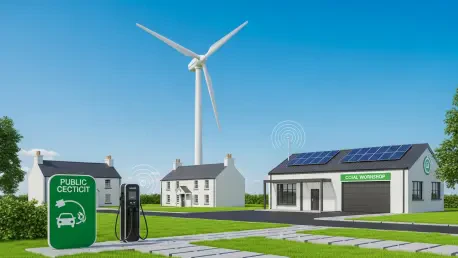
Furthermore, the repowering process allows for a complete redesign of the site’s environmental and social footprint, incorporating better land management practices and more inclusive public spaces. Unlike the initial installations, which were often met with skepticism, the current era of development is defined by a more collaborative approach to site design and infrastructure integration. By involving local stakeholders early in the technical planning phase, developers can identify opportunities to bundle wind projects with other community-led initiatives, such as local heat networks or electric vehicle charging hubs. This level of integration transforms a wind farm from a remote industrial site into a multifunctional utility that provides diverse benefits to the local population. The increased scale of modern turbines does present visual challenges, yet the reduction in the total number of units often leads to a more streamlined and less cluttered landscape. Effectively managing these trade-offs is essential for maintaining the social license required to operate and expand green energy projects in sensitive areas.
Policy Frameworks: Securing Direct Equity and Governance
Current regulatory frameworks in Scotland are increasingly emphasizing the importance of shared ownership models as a cornerstone of the energy transition strategy. These models allow community groups to purchase a direct equity stake in repowered wind farms, moving them from being passive recipients of grants to active shareholders with a voice in project governance. Such a shift is fundamental to the concept of community wealth building because it ensures a perpetual stream of income that is independent of developer-led charity. When local residents own a portion of the generation capacity, the dividends can be reinvested into community-owned enterprises, lowering local energy costs or funding vital social services that might otherwise face budget cuts. This democratic approach to energy production fosters a sense of agency and pride, as the community becomes a literal partner in the fight against climate change. To be successful, however, these arrangements require robust financial support mechanisms and simplified legal structures that lower the barrier to entry for small organizations.
The strategic push toward integrating community wealth building into wind repowering projects provided a clear roadmap for balancing national climate goals with local economic needs. Decision-makers recognized that the mere presence of renewable energy infrastructure was insufficient if the financial benefits continued to bypass the very communities hosting the assets. Consequently, local authorities and developers collaborated to establish more transparent benefit structures that prioritized long-term equity over short-term cash transfers. These initiatives successfully demonstrated that repowering could act as a vehicle for social justice by funding affordable housing and local business grants through wind-generated revenue. The lessons learned from these early implementations highlighted the necessity of early engagement and the provision of technical expertise to local groups. By viewing repowering as a holistic redevelopment opportunity rather than a simple equipment upgrade, Scotland established a global precedent for how the green transition could be used to revitalize rural economies. Moving forward, the focus remained on refining these collaborative models to ensure that every new turbine became a symbol of shared prosperity.