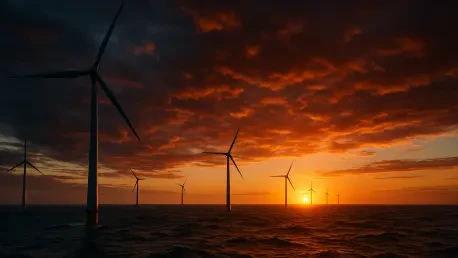

With a formal call for bids scheduled for the winter of 2027, the Canadian government is moving to de-risk private sector participation in the burgeoning offshore wind market. This initiative, officially unveiled on October 15, 2026, in Dartmouth, involves a substantial $100-million investment specifically targeted at the Wind West offshore wind project in Nova Scotia. The funding serves as a vital component of the broader Atlantic Energy Strategy, which seeks to transform the region into a premiere global destination for clean energy generation. By utilizing the unique geographical positioning of the East Coast, where some of the world’s most powerful and consistent wind currents are located, the federal government intends to provide the financial stability required to move from conceptual designs to physical infrastructure. This capital injection is designed to attract significant private investment by demonstrating a clear federal commitment to long-term renewable energy development and infrastructure.
A Vision for Regional Energy Interconnectivity
The federal commitment to the Wind West project represents a cornerstone of the Atlantic Energy Strategy, which serves as a blueprint for a modern and highly interconnected power grid. This strategy adopts a holistic approach by integrating offshore wind with existing onshore wind, nuclear, and hydroelectric resources. By creating a unified energy ecosystem, the government aims to build a resilient regional network that ensures a constant supply of zero-emissions electricity. This transition signifies a fundamental shift in the regional power dynamic, as Nova Scotia moves from its traditional status as a consumer at the end of the transmission line to a major power exporter. The focus on inter-provincial cooperation ensures that the benefits of clean energy are not localized but are distributed across the entire eastern seaboard, fostering a new era of regional self-sufficiency and stability. This interconnectedness is essential for balancing intermittent renewable energy.
Beyond immediate energy generation, the project is a vital component of a national effort to ensure long-term energy security and meet aggressive climate targets. By leveraging the expertise of an offshore workforce that was previously dedicated to oil and gas exploration, Canada is facilitating a just transition that preserves high-value jobs while pivoting toward sustainability. This strategic move positions the country as a significant player in a global offshore wind market that is currently valued at nearly $1 trillion. The project also addresses the vulnerability of the domestic economy to international fossil fuel price shocks by establishing a stable, home-grown energy source. As global demand for green energy continues to rise, the ability to provide reliable and domestic zero-emissions power becomes a primary driver for industrial competitiveness. This large-scale infrastructure development signals to the world that Atlantic Canada is ready to lead the shift toward a low-carbon global economy.
Technical Foundations and Grid Expansion
Technical viability is a primary focus of the recent funding allocation, with $5 million specifically earmarked for high-tech data collection initiatives. The government is funding the deployment of floating light detection and ranging (FLiDAR) buoys, which are sophisticated instruments designed to measure wind speeds and marine conditions in real-time. This bankable data is crucial for private sector proponents who require precise meteorological and environmental information before committing significant capital to offshore arrays. By providing this information upfront, the federal government significantly reduces the investment risk associated with the formal call for bids scheduled for the winter of 2027. This proactive approach ensures that the bidding process is competitive and that the resulting projects are based on accurate, site-specific data. The use of advanced sensory technology allows for a more granular understanding of the offshore environment, facilitating better turbine placement.
In addition to wind data, nearly $3 million has been directed to Net Zero Atlantic to facilitate the expansion of advanced energy modeling and transmission planning. The success of the Wind West initiative depends on the ability to transport electricity from offshore Nova Scotia to high-demand markets in Quebec and Ontario. This technical work involves comprehensive marine surveys and environmental assessments to determine the most efficient routes for undersea transmission cables. Ensuring that the grid can handle massive injections of offshore power is a complex engineering challenge that requires early coordination between provincial utilities and federal regulators. By addressing these transmission hurdles now, the government is laying the groundwork for a cross-country clean energy corridor that links Atlantic generation with Central Canadian demand. This foresight in infrastructure planning is intended to prevent future bottlenecks and ensure that every megawatt produced can be efficiently delivered.
Economic Prosperity and Political Cooperation
The economic implications of the Wind West project extend far beyond the energy sector, promising a period of generational prosperity for the Atlantic provinces. The initiative is expected to create thousands of high-quality jobs across various fields, including marine logistics, specialized manufacturing, and environmental engineering. By producing domestic green energy, the region can provide a significant competitive advantage to local businesses that are increasingly looking to reduce their carbon footprints to meet global standards. Furthermore, the development of a robust supply chain for offshore wind components can stimulate local manufacturing hubs, creating a ripple effect of economic growth throughout the region. This transition to a renewable-based economy provides a buffer against the volatility of international oil markets, offering more predictable energy costs for both residents and industry. The project represents a long-term investment in the regional economy, ensuring that the East Coast remains a vibrant and essential part of the national economic landscape.
Strategic alignment between the federal government and provincial leadership was evident throughout the announcement, reflecting a shared vision for a sustainable future. Federal ministers and Premier Tim Houston highlighted that the collaboration established a new standard for inter-governmental energy partnerships. The consensus reached during these discussions suggested that the East Coast moved from being a peripheral player to becoming the primary engine of Canada’s green energy transition. For the private sector, the next steps involved reviewing the newly acquired marine data and preparing for the 2027 bidding window. Investors were encouraged to engage with local labor organizations to facilitate the retraining of workers from traditional sectors. As transmission modeling progressed, the roadmap for connecting Nova Scotia to the broader North American grid became clearer, offering a definitive path toward energy independence. This proactive investment strategy successfully positioned the region as a leader in the global race for renewable dominance.