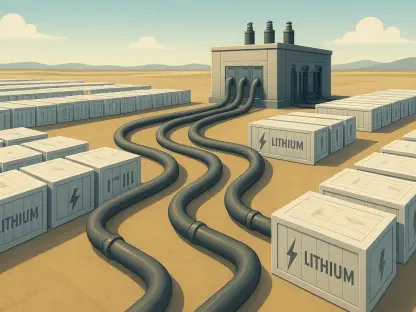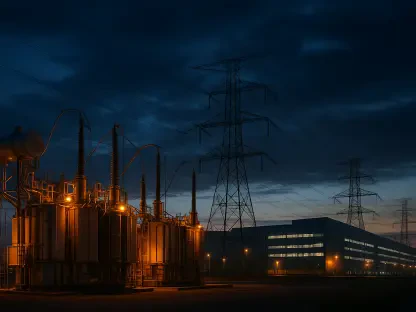

The global energy landscape transformed significantly as the reliance on lithium-ion batteries faced scrutiny due to surging raw material costs and concentrated geographic supply chains. This shift reached a critical milestone with the introduction of the first commercial-scale sodium-ion energy storage solution, a move that promised to democratize grid-level storage capabilities across diverse climates. Unlike traditional lithium batteries, which utilize expensive metals like cobalt and nickel, this new system leverages sodium, an element that is roughly one thousand times more abundant in the Earth’s crust than lithium. This breakthrough suggests a future where energy security is not dictated by the scarcity of mineral deposits but by the efficiency of chemical engineering. By providing a viable alternative for stationary storage, the industry took a major step toward stabilizing renewable energy inputs, such as solar and wind power, which often suffer from inherent intermittency and seasonal fluctuations during the calendar year.
Overcoming Technical Barriers in Electrochemical Performance
Achieving high energy density in sodium-ion cells required a fundamental redesign of the internal architecture to accommodate the larger ionic radius of sodium compared to lithium. Engineering teams focused on developing hard carbon materials for the anode, which provide a more robust lattice structure capable of facilitating rapid ion movement without causing structural degradation over thousands of cycles. This chemical innovation allowed the system to maintain a respectable energy density while significantly lowering the risk of dendrite formation, a common cause of short circuits in liquid-electrolyte batteries. Furthermore, the integration of specialized electrolyte additives ensured that the cells could operate efficiently even after being discharged to zero volts for transport, a feature that simplifies logistics and enhances safety protocols. This structural stability means that the batteries can endure industrial use, maintaining their performance integrity over long operational lifespans.
One of the most significant advantages demonstrated by this new storage system is its exceptional performance in extreme environmental conditions that typically cripple standard battery configurations. Standard lithium-ion systems often lose up to half of their capacity when temperatures drop below freezing, requiring energy-intensive heating systems to remain functional in northern latitudes. In contrast, the sodium-ion chemistry maintains over ninety percent of its capacity at temperatures as low as minus twenty degrees Celsius, making it an ideal candidate for remote wind farms and high-altitude solar installations. This resilience also extends to high-temperature environments, where the inherent thermal stability of the sodium chemistry reduces the likelihood of catastrophic thermal runaway events. By eliminating the need for oversized cooling infrastructure, grid operators can reduce the overall footprint and complexity of energy storage sites, ensuring power remains available during peak demand.
Strategic Scaling and Operational Standards for Global Grids
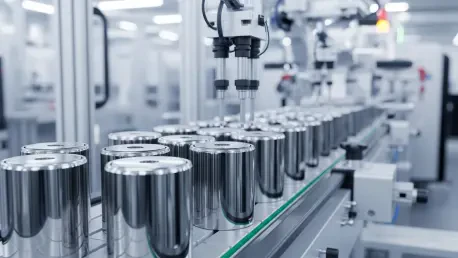
The widespread adoption of sodium-ion technology is expected to drive down the capital expenditure required for large-scale energy storage projects by nearly thirty percent over the next two years. Because the manufacturing process for these cells is largely compatible with existing lithium-ion production lines, factories can pivot their output without requiring entirely new facility footprints or proprietary machinery. This compatibility allows for a rapid scaling of production capacity, ensuring that the supply of storage units can keep pace with the aggressive expansion of renewable energy generation worldwide. Moreover, the lack of reliance on cobalt and copper in certain sodium-ion designs further insulates the industry from the price volatility and ethical concerns associated with mining in specific regions. As utility companies look to replace aging fossil fuel peaker plants, the reduced cost per kilowatt-hour makes these sodium-ion systems a more attractive investment for long-duration storage needs.
Industry leaders and policy makers recognized that successful implementation required a holistic approach to lifecycle management and grid standardization. Grid operators conducted thorough assessments of their local climatic conditions to determine where the high-temperature and low-temperature resilience of sodium-ion could provide the most immediate benefits. Stakeholders established rigorous recycling protocols from the outset, ensuring that the abundant sodium and aluminum components were recaptured and reused in new production cycles, thereby minimizing environmental impact. Financial institutions restructured their risk models to account for the lower fire hazards associated with these systems, which led to reduced insurance premiums for facilities utilizing the new technology. Moving forward, engineering firms integrated sodium-ion units into hybrid storage solutions, pairing them with lithium-ion to balance high energy density with low-cost longevity. These actions laid the groundwork for a more resilient future.