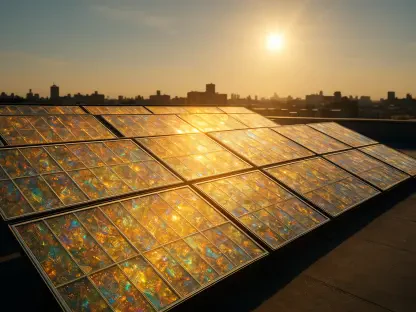

Chile has taken a decisive step toward stabilizing its national grid by officially integrating standalone energy storage systems into the latest round of power auctions, addressing the chronic problem of renewable energy curtailment that has long plagued its northern solar fields. This shift represents a fundamental change in how the Ministry of Energy and the National Energy Commission (CNE) approach infrastructure planning, moving away from purely generation-focused models toward a system that prioritizes flexibility and time-shifted delivery. As the nation targets a complete transition to carbon neutrality, the inclusion of utility-scale battery projects as independent bidders marks a milestone for international investors who have historically sought clearer regulatory frameworks for storage. Previously, storage was often tethered to specific wind or solar farms, but the 2026 auction allows these assets to function as merchant-like entities that provide essential services to the National Electric System (SEN). By decoupling storage from generation, Chile is creating a more competitive market environment where grid-scale lithium-ion and long-duration storage technologies can compete on their own merits for long-term supply contracts.
Evolution of Grid Management: Batteries and Beyond
The logistical framework for the current 5,200 GWh supply tender incorporates specific incentives for storage projects capable of discharging power during high-demand periods, particularly in the late evening when solar output vanishes. Regional grid operators have observed that during peak production hours in the Atacama Desert, the existing transmission lines frequently reach capacity, forcing developers to waste surplus clean energy that could otherwise power thousands of homes. By introducing standalone storage, the government aims to bridge this gap, ensuring that energy harvested during the day is available during the expensive thermal-heavy hours of the night. This approach naturally leads to a more balanced price profile across different time blocks, reducing the volatility that has made recent investment cycles challenging for some renewable players. Furthermore, the technical specifications within the auction documents mandate high-performance standards for round-trip efficiency and response times, pushing the industry toward the adoption of advanced lithium iron phosphate (LFP) chemistries and potentially non-lithium alternatives for longer durations. This structured demand for flexibility is expected to attract significant capital from global infrastructure funds that are looking for bankable storage opportunities in Latin America.
The decision to prioritize standalone storage within the national procurement strategy effectively validated the economic necessity of battery assets in a high-penetration renewable grid. Developers who successfully navigated this auction cycle recognized the importance of site selection near critical congestion points rather than just high-resource areas, setting a new standard for strategic project placement. For the industry moving forward, the focus shifted toward securing long-term supply chains for battery components to mitigate potential delays in commissioning these vital assets before 2030. This transition demonstrated that regulatory clarity remained the single most important factor for lowering the cost of capital in emerging storage markets. Stakeholders were encouraged to engage early with local environmental agencies to streamline the permitting process for massive battery installations, which faced different land-use challenges compared to traditional solar farms. Ultimately, Chile established a replicable model for other developing nations by demonstrating how to integrate storage into competitive bidding processes. This proactive stance ensured that the electrical system remained resilient as older coal plants were phased out of operation across the country.